0
Results
Clear Filter
4.9/5
Based on 53 Reviews


Samburu National Reserve
Wildlife & Culture on the Ewaso Ny’iro’s Pristine BanksDays | All-Inclusive
1 photos
Samburu National Reserve spans 165 km² of arid and semi-arid terrain along Kenya’s Ewaso Ng’iro River, offering remote wilderness and year‑round wildlife viewing. Located approximately 345 km north of Nairobi (a 6–7 hour drive), the reserve sits at 800–1,230 m elevation in Ecological Zone V, where daytime temperatures soar to 30 °C and nights drop to around 18 °C. Rainfall peaks in April and November, with the dry season from May to October concentrating game along the riverbanks
Samburu National Reserve
Samburu National Reserve spans 165 km² of arid and semi-arid terrain along Kenya’s Ewaso Ng’iro River, offering remote wilderness and year‑round wildlife viewing. Located approximately 345 km north of Nairobi (a 6–7 hour drive), the reserve sits at 800–1,230 m elevation in Ecological Zone V, where daytime temperatures soar to 30 °C and nights drop to around 18 °C. Rainfall peaks in April and November, with the dry season from May to October concentrating game along the riverbanks
Why You Should Visit Samburu National Reserve
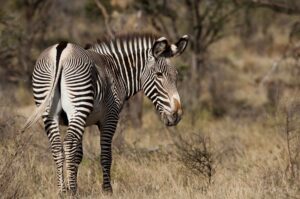
The Samburu “Special Five”
Encounter five species largely unique to northern Kenya—the Grevy’s zebra, Somali ostrich, reticulated giraffe, gerenuk, and Beisa oryx—on expertly guided photography safaris
Birdwatcher’s Paradise
Recognized as an Important Bird Area, Samburu records over 450 species—from vulturine guineafowl to Amur falcon—making it a bucket‑list destination for ornithologists and wildlife filmmakers.
Elephant Sanctuary
Home to nearly 900 elephants, Samburu offers spectacular mahout‑free encounters as herds forage marshes and riverine forests
Big‑Cat Territory & Predator Highlights
Spot lions, leopards—among Kenya’s most reliably seen—and cheetahs on open savanna game drives, with famous resident Kamunyak, the lioness who adopted an oryx calf
Always‑Flowing Ewaso Ng’iro River
This lifeline carves gallery forests through the reserve, guaranteeing year‑round concentrations of waterbuck, hippos, crocodiles, and other wildlife for unforgettable sundowner viewpoints
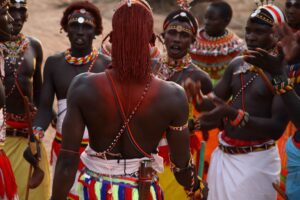
Samburu People
The Samburu are sometimes referred to as ‘The Butterfly People’ due to their colourful ornaments, attire and hairstyles. Closely related to the Maasai community, the Samburu have distinct cultures, traditions and rituals, which have been immortalised in several Hollywood movies including ‘Mogambo’ (1953). The Samburu also appeared in one of the most iconic Nike adverts of the 1980s. Here a Samburu man says in Maa language: “I don’t want these. Give me big shoes.” which was translated to ‘Just Do It’.
Spectacular Landscapes & Vantage Points
Towering doum palms, acacia‑scattered plains, and rugged ridges like Ololokwe and Koitogor provide dramatic backdrops for classic East Africa photography safaris.
Community‑Led Conservancies
Explore adjacent Kalama, West Gate, and Namunyak conservancies—models of community conservation that protect corridors for wildlife movement and offer cultural visits with Samburu pastoralists .
Year‑Round Safari Seasons
• Dry Season (Jun–Oct): Best for predator sightings and clear‑skies photography.
• Short Rains (Nov–Dec): Lush scenery and newborn game—4×4 recommended.
• Long Rains (Mar–May): Green landscapes and fewer visitors, though tracks may be slippery
Diverse Activities & Luxury Camps
From dawn hot‑air balloon safaris and walking tours to bush meals and starlit sundowners, stay in riverside tented camps or exclusive lodges on tailored Samburu safari packages.
Conservation & Cultural Immersion
Partnering with the Northern Rangelands Trust and Kenya Wildlife Service, Samburu’s anti‑poaching, community‑livelihood, and cultural‑exchange programs ensure sustainable tourism and authentic Maasai encounters.
How to Get There
By Road: 345 km (6–7 hr drive) from Nairobi via Nanyuki–Archers Post route, entering through Samburu, Buffalo Springs, or Shaba gates .
By Air: Daily charters to Samburu Airstrip (Archers Post) and Kalama Airstrip for light aircraft.
INFORMATION AND FACTS.
QUICK SAMBURU FACTS
- Area: 165 km² along the Ewaso Ng’iro River
- Established: 1985 under IUCN Category II protection
- Elevation: 800–1,230 m above sea level
- Climate Zone: Arid & semi‑arid (Zone V), 18–30 °C, 350 mm annual rainfall
- Wildlife Highlights: Special Five, 900 elephants, Big Five predators
- Birdlife: 450+ species, Important Bird Area status
- Conservancies: Kalama, West Gate, Namunyak adjoining reserves
Activities in Samburu
- Game Drives for the Special Five and predators
- Maasai Village Visits & cultural experiences
- Guided Walking Safaris along riverine forests
- Birdwatching Excursions at river springs and floodplains
- Bush Meals & Sundowners overlooking the Ewaso Ng’iro
Frequently Asked Questions Q: When is the best time to see the Samburu Special Five? A: During the dry season (June–October), when species concentrate along the river corridors for reliable sightings. Q: Are community visits suitable for families? A: Yes—family‑friendly cultural experiences at Maasai bomas and conservancy camps can be arranged with age‑appropriate activities Q: What should I pack for a Samburu photography safari? A: Neutral layers, sturdy walking shoes, camera gear with telephoto lens, binoculars, sun protection, and a light rain jacket for short‑rain spells. Plan Your Samburu Safari Today Ready to explore the Wildlife & Culture on the Ewaso Ny’iro’s Pristine Banks? Enquire now about our luxury Samburu safari packages—featuring expert guides, exclusive lodges, and photo‑perfect itineraries for the trip of a lifetime. Talk to an Expert
Price
No of Pax:
Price* USD per Person Sharing: $0
Children 7-12 years in a group of 5: $
Our Rates Are Per Person Sharing Unless We Note Differently
- Please treat all pricing as a guide only:
- All rates are subject to availability and may change without notice.
- Single supplements may apply.
- Request a quote or speak to one of our African Safari Experts for the best, most current rates available.
Includes
Excludes
Share


ITINERARY

4.9/5
Based on 53 Reviews