0
Results
Clear Filter
4.9/5

Based on 53 Reviews


Walking Safaris
The Most Intimate Way to Experience the African WildernessDays | All-Inclusive
1 photos
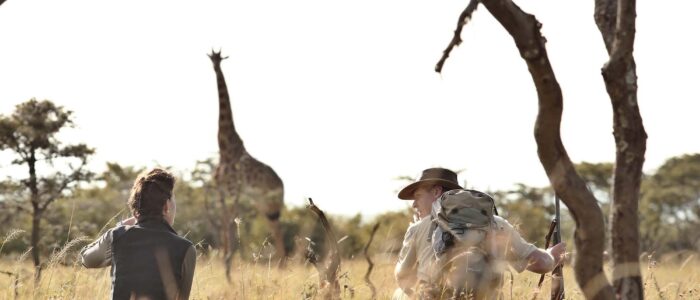
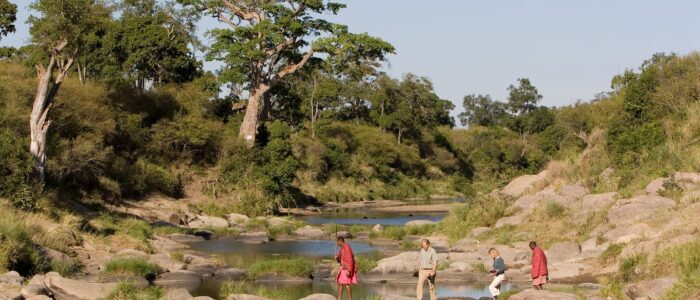
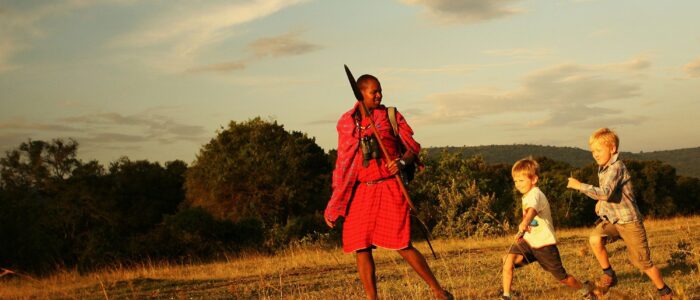
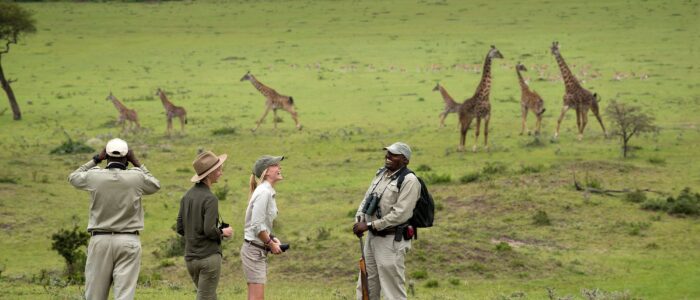
Trade the vehicle for your own two feet and step into the wild on a walking safari—an exhilarating and immersive experience that brings you closer to nature than ever before. Led by highly trained, armed guides and expert trackers, walking safaris strip the safari experience down to its purest form. With no barriers between you and the bush, every sound is sharper, every scent richer, and every footprint tells a story. Whether you’re exploring the open plains of Laikipia, the remote South Luangwa-style bushwalks in Tanzania’s Selous (Nyerere National Park), or the scenic walking corridors of Lake Mburo National Park in Uganda, this is how safaris began—and how the most unforgettable memories are made.
No Dates
No Dates
Walking Safaris
On foot, you’ll learn how to read the land like a tracker—identifying fresh animal prints, dung, feeding signs, and even the subtle shift in bird calls that might signal a nearby predator. Your guide will introduce you to medicinal plants, elephant-favored herbs, and traditional bush survival tips. Encountering wildlife at eye level—whether it’s a herd of zebra grazing in the distance or a giraffe peeking through the trees—is humbling, intimate, and often thrilling. Walking safaris are available in select private conservancies and parks across East Africa and are ideal for adventurous travelers seeking to deepen their connection with the land, its people, and its untamed spirit.
INFORMATION AND FACTS.
Walking safaris are designed for those seeking total immersion and led by armed guides and naturalists.
Why Choose Walking Safaris? It’s a refined adventure — quiet, slow-paced, and ideal for photographers and bird lovers.
What to Expect: Track wildlife on foot, learn about plants, insects, and small mammals.
Best Time to Do: June–October.
Where to Do: South Luangwa (Zambia), Masai Mara conservancies, Selous, Tarangire.
FAQ: Are children allowed? Usually 12+, depending on park rules.
Price
No of Pax:
Price* USD per Person Sharing: $0
Children 7-12 years in a group of 5: $
Our Rates Are Per Person Sharing Unless We Note Differently
- Please treat all pricing as a guide only:
- All rates are subject to availability and may change without notice.
- Single supplements may apply.
- Request a quote or speak to one of our African Safari Experts for the best, most current rates available.
Includes
Excludes
ITINERARY

4.9/5
Based on 53 Reviews