



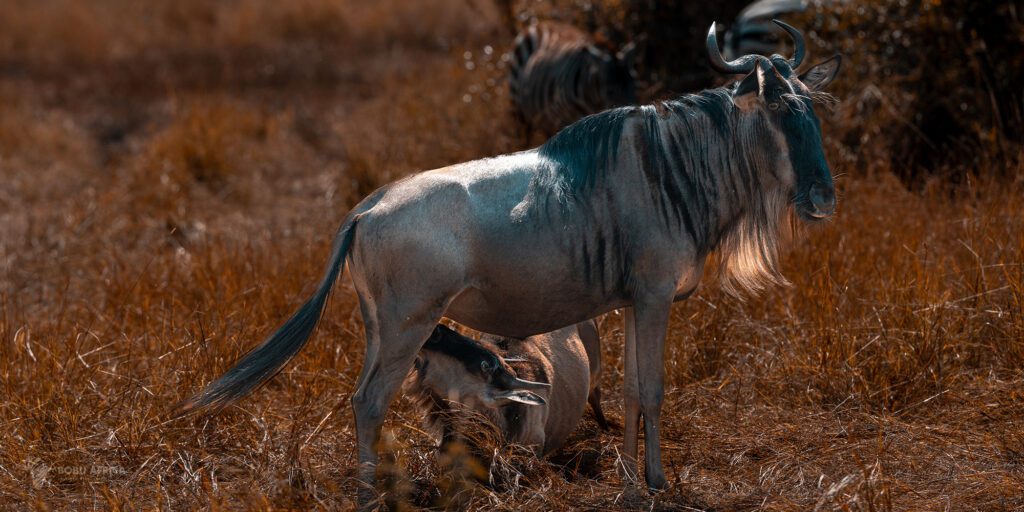
The question is not nights, it is quality field windows
Travelers planning Maasai Mara usually ask one practical question very early.
How many nights do we need.
It sounds simple, and most answers are quick.
Two nights is enough.
Three nights is better.
Four nights is ideal.
Those numbers are not wrong, but they are incomplete.
In the field, safari quality is not built by calendar arithmetic alone. It is built by protected dawn and dusk sessions, guide continuity, weather flexibility, and how much energy you still have on day three.
That is why two itineraries with the same number of nights can produce completely different outcomes. One feels rushed and lucky. The other feels steady, immersive, and richly rewarding.
If you remember one planning rule for Mara, use this.
Count prime game drives, not only hotel nights.
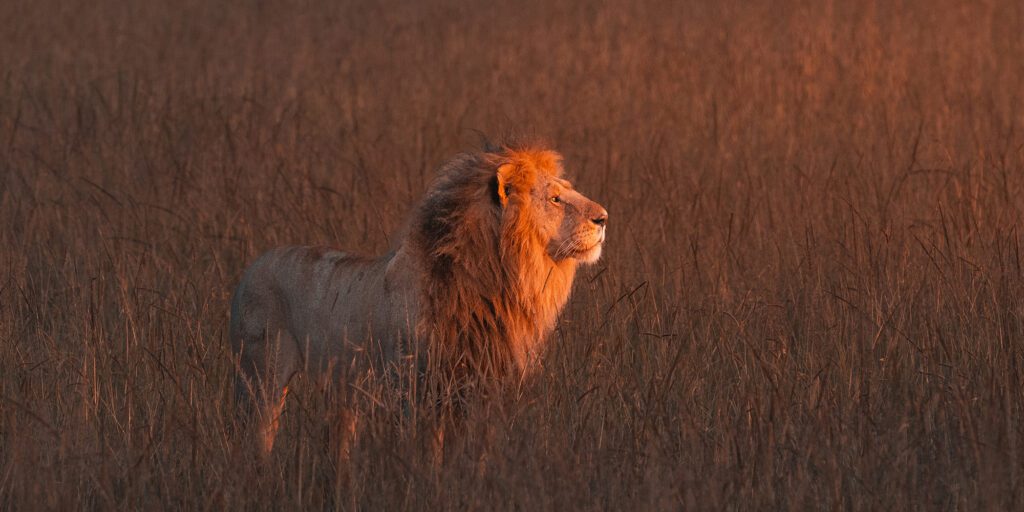
Why this matters more in Mara than many travelers expect
Maasai Mara is generous with wildlife, but it is still a living ecosystem with shifting conditions. Predators move. Herds spread and regroup. Rain changes track choices. Light quality shifts quickly. What looks quiet at 8:30 can come alive at 10:00 or at the final hour before sunset.
A short stay can still be good, but it gives you less margin for natural variability. If one session is lost to weather, traffic at a sighting, or a long transfer, a large part of your safari value disappears.
A well-paced stay gives you resilience.
More attempts in better light.
More chances to follow one pride over time instead of chasing random radio calls.
More opportunity to watch behavior unfold rather than collecting brief sightings.
That is the difference between seeing animals and understanding a landscape.
A practical framework for choosing your Mara stay
Instead of asking for one universal number, start with your travel profile and goals.
Minimum viable stay for most first-timers
Two nights can work when time is very limited, but it is usually a starter version of Mara, not the strongest version.
You may get excellent sightings, especially with a skilled guide, but the trip will rely more on luck and tight logistics.
Use two nights only when:
- your total Kenya trip is short
- you accept a faster pace
- your transfer plan is efficient
- you are realistic about missing some opportunities
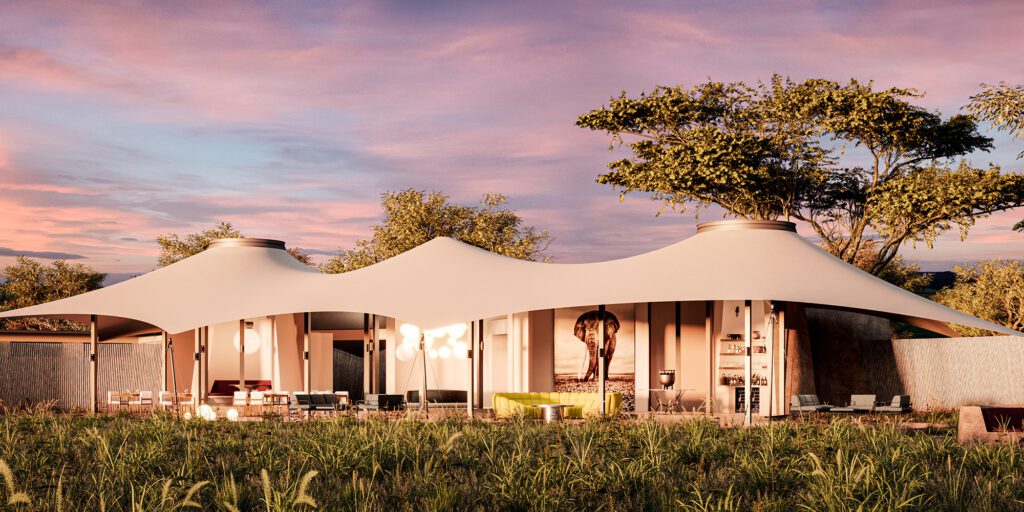
Strong baseline for a balanced safari
Three nights is the practical baseline for many travelers.
It usually gives six prime windows across early and late drives, with room for one variable session due to weather or route disruption.
For first-time guests, three nights often feels like the point where Mara starts to make sense as an ecosystem rather than a highlight reel.
Best range for depth without fatigue
Four nights is often the sweet spot for travelers who want strong quality without overextending budget or schedule.
This allows:
- repeated visits to productive territories
- better chances at cat activity in good light
- more flexibility for photography positioning
- less pressure to force every drive into high-speed movement
For many premium travelers and serious wildlife enthusiasts, four nights delivers a noticeably better experience than three.
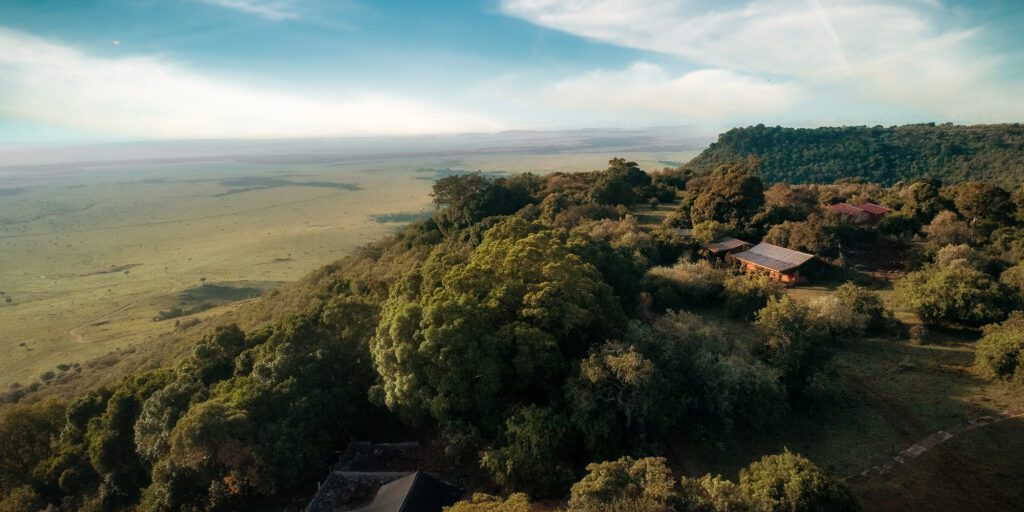
When five nights or more is worth it
Five to six nights makes sense for focused goals.
- wildlife photographers building a portfolio
- birders targeting broader species variety
- travelers who value a slower rhythm and lower stress
- guests combining reserve time with conservancy depth
Longer stays are not automatically better, but with clear purpose they can be outstanding.
The hidden cost of under booking Mara
Many itineraries look efficient on paper because they include several famous locations in one trip. In practice, too much movement often reduces safari quality.
Under booking Mara usually creates three problems.
First, you lose observation continuity: Predator stories often unfold over multiple drives. If you leave too soon, you miss the most interesting chapter.
Second, you increase transit drag: Every transfer day consumes attention and prime field time.
Third, you create emotional pressure: Guests try to force results from every session, which can reduce enjoyment and lead to rushed decisions.
A strong safari is not a race to maximize place names. It is an exercise in timing, patience, and repeated access.
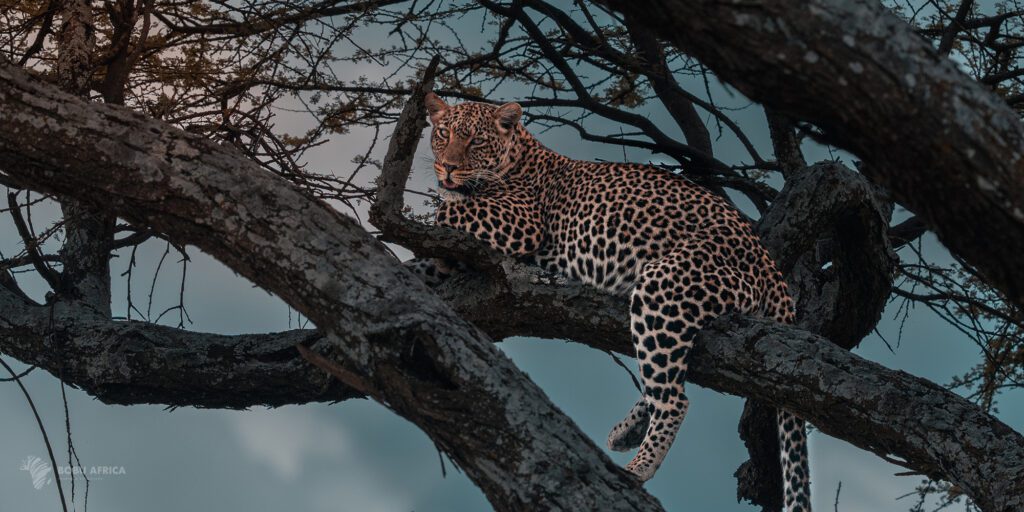
Reserve and conservancy nights are not interchangeable
Another common planning gap is treating all Mara nights as equal. They are not.
The main reserve and surrounding conservancies can offer different operating dynamics. Depending on where you stay, rules, vehicle density, driving style, and access patterns can vary.
A professional itinerary often blends these strengths.
- reserve access for iconic broad-scale wildlife movement
- conservancy time for lower pressure sessions and more controlled pacing
For travelers with three to five nights, this mix can improve quality significantly.
The key is not labels. The key is matching location to your goals.
How photographers should think about night count
Photographers should plan Mara with a portfolio mindset, not a sighting checklist.
With two nights, you may return with good records.
With four or five, you have a better chance of returning with coherent work.
Why longer helps photographers:
- more opportunities in different light conditions
- better odds for clean positioning at active sightings
- time to shoot behavior, habitat, and scale, not only close portraits
- less need to compromise on harsh midday action simply because schedule is tight
If your priority is strong image storytelling, three nights is minimum functional, four is usually better, and five can be excellent when budget allows.

How birders should think about night count
Birders often benefit from staying longer than general safari schedules suggest. Mammal-driven itineraries can move too quickly for meaningful birding depth.
In Mara, birding rewards patient habitat coverage, not constant movement.
A stay of four nights allows better rhythm for mixed goals:
- mammals in prime windows
- targeted birding in selected habitats
- enough flexibility to revisit productive zones
If birding is a central objective rather than a secondary interest, avoid two-night plans unless this is one stop within a longer specialist itinerary.
Family and mixed-interest groups
Families and mixed-interest groups should think beyond simple night counts and consider daily stamina.
A rushed schedule can make children and non-photographer partners disengage by day two. A slightly longer stay with calmer pacing usually improves total satisfaction.
For families, three to four nights is often the strongest balance. It provides wildlife richness without constant packing and unpacking.
For mixed groups, an extra night can reduce conflict between different priorities such as photography patience, general sightseeing, and rest time.
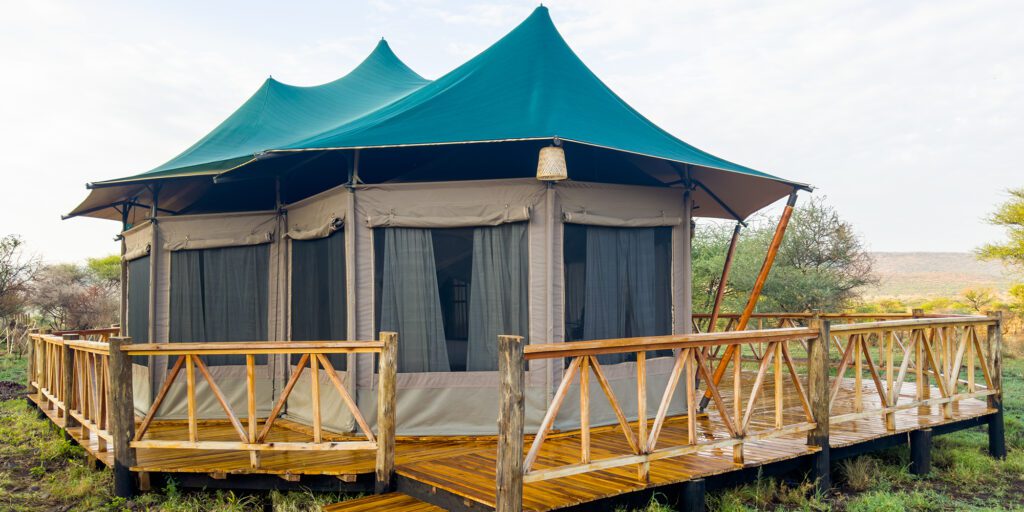
Premium traveler perspective
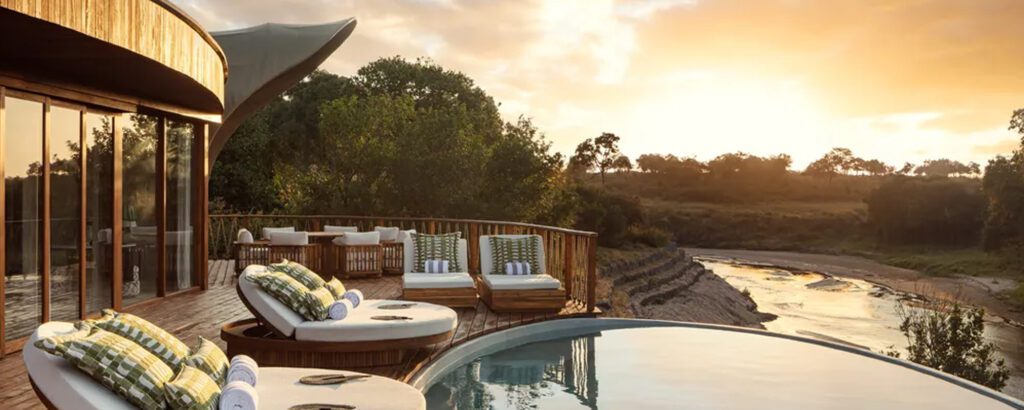
Premium travelers often assume that a shorter stay can be offset by higher lodge category. Comfort helps, but it does not replace field time.
The most successful premium Mara trips are designed around low-friction execution.
- fast and sensible transfers
- top guide continuity
- camp location aligned to target areas
- enough nights to absorb natural variability
In many cases, one additional night in the right location adds more value than one category jump in room luxury.
Migration season and non-migration season timing
Night count needs can shift with seasonal context.
During high-demand migration periods, sightings can be intense and rewarding, but logistics and vehicle pressure may be higher in key zones. A longer stay helps by giving more timing options and reducing urgency.

Outside headline migration windows, Mara still performs very well for resident wildlife and predator activity. A well-designed three or four-night stay can feel less pressured and more immersive.
Either way, the rule remains useful.
Do not judge by total nights alone.
Judge by quality game-drive windows and route resilience.
The transfer reality that changes everything
Travel day math often undermines Mara plans.
A two-night stay can become one and a half in practice if arrival is late and departure is early.
When evaluating itineraries, ask for this clearly:
- exact departure and arrival timing
- realistic drive or flight durations
- whether first and last days include full game-drive windows
If not, adjust night count upward or simplify the broader route.
This single step prevents many first-safari disappointments.
A field-smart planning model you can use today
Use this quick model to choose your Mara length.
Step one
Define your core goal.
- first safari confidence
- photography portfolio
- birding depth
- family balance
- premium low-stress immersion
Step two
Count prime sessions you want.
As a rough guide, meaningful Mara immersion usually starts around six prime sessions.
That often means at least three nights with efficient transfers.
Step three
Stress test your logistics.
If transfers reduce sessions, add a night or simplify another part of the itinerary.
Step four
Match location to objective.
Reserve, conservancy, or a deliberate combination should reflect your goals and your guiding style.
Common mistakes and better alternatives
1. Trying to do Mara in two nights inside a crowded multi-park schedule.
Better alternative: Three nights minimum or remove one extra park stop.
2. Booking by room photos only.
Better alternative: Prioritize access, guide standards, and game-drive flexibility.
3. Ignoring session quality.
Better alternative: Plan around dawn and dusk windows first, then fit activities around them.
4. Treating migration season as guaranteed daily theatre.
Better alternative: Allow enough nights for natural variation and timing opportunities.
5. Assuming premium comfort can replace field time.
Better alternative: Protect one extra night before upgrading non-essential amenities.
So how many nights do you really need?
Here is the practical answer.
- Two nights is workable but often rushed
- Three nights is a strong baseline for most first-time travelers
- Four nights is the sweet spot for deeper and more consistent quality
- Five nights or more is ideal for focused photography, birding, or premium slow safari rhythm
If your itinerary includes long transfers or mixed priorities, lean upward in night count.
If logistics are very efficient and expectations are realistic, three nights can perform very well.
The strongest choice is the one that protects field windows and matches your goals.
Final perspective
Maasai Mara can deliver extraordinary wildlife in a short time, but strong safari experiences are rarely built on speed. They are built on repeated access at the right hours, with the right guide, from the right base, over enough days to let the ecosystem reveal itself.
When travelers ask how many nights they need, they are really asking how to avoid regret. The most reliable way is to stop counting nights in isolation and start counting quality opportunities in the field.
Do that, and Mara becomes more than a famous destination. It becomes a place where your trip has rhythm, depth, and memory.
FAQ
Q: Is two nights in Maasai Mara enough for a first safari
A: Two nights can work if your schedule is tight and logistics are efficient, but it often feels rushed. For most first-time travelers, three nights gives a much stronger chance of a balanced and satisfying experience.
Q: What is the best stay length in Maasai Mara for photographers
A: Four to five nights is usually the strongest range for photographers. It gives better light variety, more positioning opportunities, and enough time to build a coherent visual story rather than only collecting quick sightings.
Plan Your Journey
If you are planning Mara and want the right balance of depth, pace, and practical execution, Bobu Africa can help you shape a field-smart itinerary around prime drive windows, guide quality, and location logic so every night adds measurable value.