4.9/54.9 tripadvisor stars
Based on 44 Reviews
5.0/5
Based on 41 Reviews

7 Days Kenya Tanzania Migration Safari

Masai Mara, Kogatende, Lake Natron & Amboseli
7 Days | All-Inclusive

Max 6 Guests

NO SINGLE SUPP

1 GUIDE

50% DEPOSIT

FROM USD $3268

KENYA

This immersive 7-day cross-border safari takes you deep into East Africa’s most iconic landscapes, from the predator-rich plains of Masai Mara to the remote wilderness of Lake Natron and the elephant-studded Amboseli. It’s a seamless blend of big game encounters, dramatic migration scenes, and scenic diversity.

No Dates
7 Days Kenya Tanzania Migration Safari

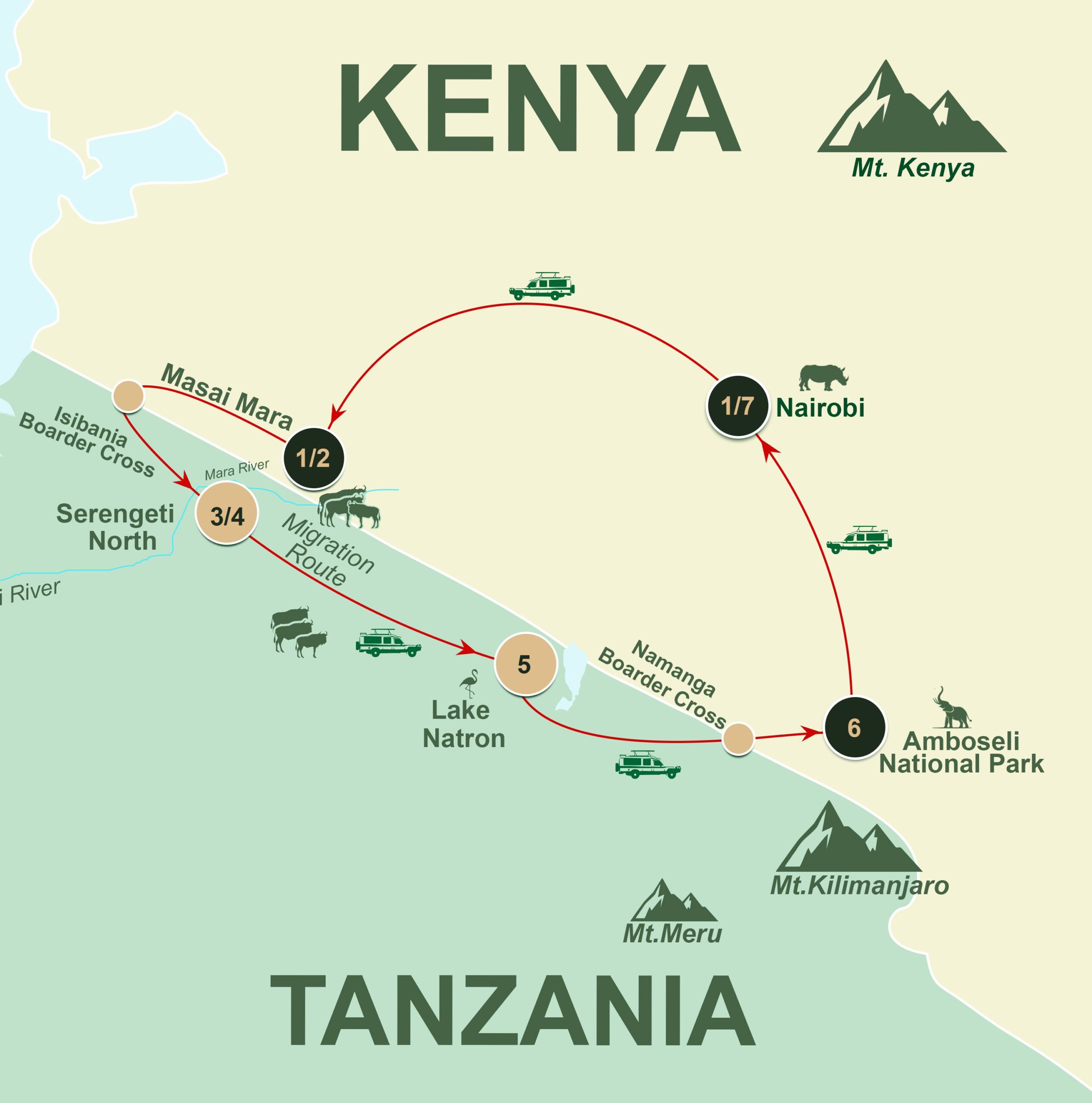
Journey across Kenya and Tanzania on a luxury 7-day Great Migration safari through Masai Mara, Serengeti, Lake Natron, and Amboseli National Park. Begin with thrilling game drives in Masai Mara, then cross into Northern Serengeti to follow the legendary wildebeest migration and predator activity near the Mara River. From there, travel off the beaten path to Lake Natron for a guided walk along flamingo-lined shores beneath the looming Ol Doinyo Lengai volcano. Conclude your adventure in Amboseli National Park, where vast savannahs and panoramic views of Mount Kilimanjaro provide the backdrop for close encounters with Africa’s largest elephants. Designed for discerning travelers, this cross-border itinerary offers diversity, luxury, and exceptional wildlife experiences in one unforgettable journey.

What documents do I need to enter Kenya?
The most important documents are your valid passport and Kenya visa.
Is there a cell phone signal during Safari? Is there Wifi?
During Safari, the signal network of the mobile phone is very poor. There will be Wifi at the front desk of the hotel or camp, but there is generally no Wifi in the room.
Is Safari safe?
Safari is very safe. Wild animals do not actively attack humans. Of course, we need to abide by the regulations of each national park and reserve. Do not yell at animals, throw things at them or feed animals. Lights illuminate animals, or get off at places where you are not allowed to get off, let alone touch wild animals; and when you live in a campsite without barbed wire fence, please do not go out alone at night, the campsites are equipped with security , if there is a need to be active after dark, the camp security accompany you. All the camp rooms have facilities for emergency communication. If you have any emergency, please inform the camp security in time and stay in the tent for rescue.
Is it safe to travel to Kenya?
​Yes, it is generally safe to travel to Kenya in 2025, particularly when visiting popular tourist destinations. Local people are friendly, and safety measures, such as keeping an eye on your belongings, are always advisable, just as you would in any other part of the world.
Are safaris eco-friendly and how do you support conservation?
We partner directly with national parks and conservancies, contributing park fees and levies to wildlife protection and community development. Additionally our guides practice ethical wildlife policies and community conservation initiatives to minimize environmental impact
Price
No of Pax: 6
Price* USD per Person Sharing: $3268
Children 7-12 years in a group of 5: $1734

Our Rates Are Per Person Sharing Unless We Note Differently
  1. Please treat all pricing as a guide only:
  2. All rates are subject to availability and may change without notice.
  3. Single supplements may apply.
  4. Request a quote or speak to one of our African Safari Experts for the best, most current rates available.
Includes
  • Safari Cruiser: 8-seater
  • 4 Night Hotel + 5 night camping
  • Meal in the itinerary
  • Park Fee Tickets
  • Driver and guide
  • Mineral water
  • Kenya helicopter rescue insurance
  • East Africa Guidebook
  • Pre-trip Brief
  • Boat safari & Crescent Island
Excludes
  • Tipping
  • Meals not in itinerary
  • Optional activities
  • Customs taxes
  • Personal expenses
  • Non-itinerary transport
  • Yellow Fever Vaccination
  • Travel insurance
  • Air tickets
  • Visa fee
  • Camping Gear

WHAT OUR GUESTS SAY ABOUT THIS TRIP

Make your dream trip come true with Bobu Africa

At Bobu Africa you can customize your trip. Our sample itineraries are adjustable to your preferences. Our specialists work together with you to create your dream journey!

ITINERARY
Day 1: Nairobi to Masai Mara National Reserve
Day 2: Full Day Game Drive in Masai Mara
Day 3: Masai Mara to Northern Serengeti via Isibania Border
Day 4: Full Day Game Drive in Northern Serengeti
Day 5: Northern Serengeti to Lake Natron
Day 6: Lake Natron to Amboseli National Park (via Namanga Border)
Day 7: Amboseli Morning Game Drive & Return to Nairobi
Day 1

Nairobi to Masai Mara National Reserve

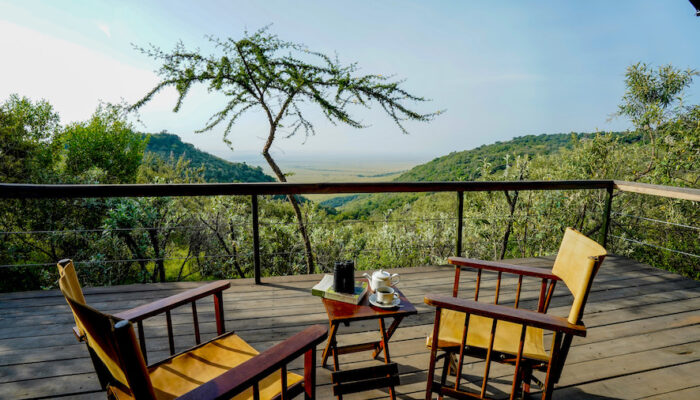
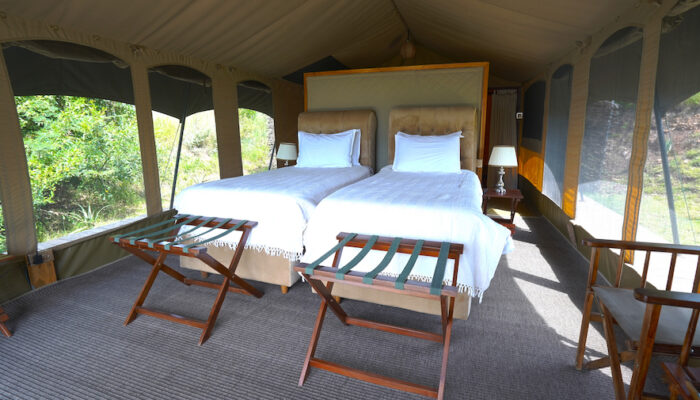
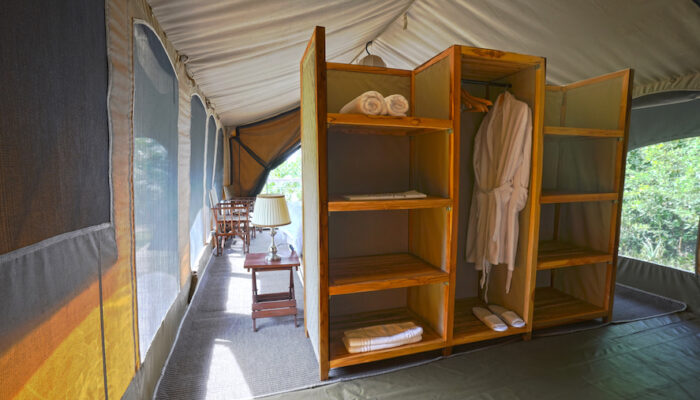
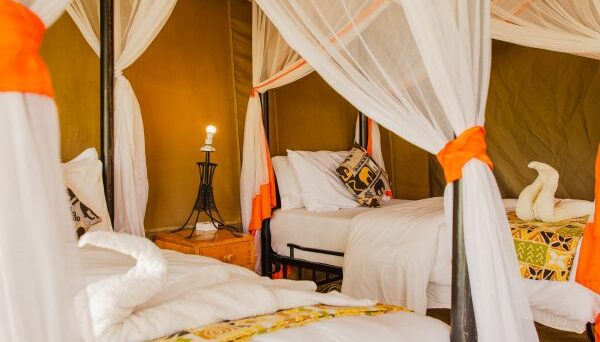
Your safari starts in Nairobi with a pick-up at the hotel or Nairobi International Airport. Upon briefing on the safari, depart for a 6 hours drive to Masai mara with several stops and lunch in Narok town. Arrive the park in time for afternoon safari in search of the Big 5 and cats and f it is the Migration season, game drive along the Mara river for possible wildebeests crossing. Later head to the Camp for check in- dinner and rest. Accommodation Mara Elatia

Day 2

Full Day Game Drive in Masai Mara

Enjoy breakfast at the camp at 06:30, then head out at 07:30 with packed lunch boxes for a full day of wildlife viewing in the vast plains of Masai Mara. Spot predators on the hunt, witness large herbivore herds, and marvel at the raw beauty of this world-famous reserve. Lunch will be enjoyed around 14:30 at a scenic picnic spot under an acacia tree or near the river. Return to camp by 18:30 for dinner and rest. Accommodation Mara Elatia

Day 3

Masai Mara to Northern Serengeti via Isibania Border

After breakfast at 07:00, check out with lunch boxes and head to the Isibania border for the crossing into Tanzania. Arrive at the border by 10:30 to complete customs formalities with help from your guide—ensure your passport, yellow fever certificate, and Tanzanian visa printout are ready. At 11:00, begin your journey into Northern Serengeti, enjoying a safari along the Mara River, famous for river crossings and large wildlife congregations. Reach your camp by 18:30 for dinner and overnight stay. Accommodation Kenzan Mara

Day 4

Full Day Game Drive in Northern Serengeti

Start with breakfast at 06:30, then head out at 07:30 for a full day safari in Northern Serengeti, known for spectacular migration scenes and predator action. Carry packed lunch and enjoy a wilderness meal around 12:30, either beneath a tree or along the riverbanks. Return to your camp in the evening for dinner and relaxation. Accommodation Kenzan Mara

Day 5

Northern Serengeti to Lake Natron

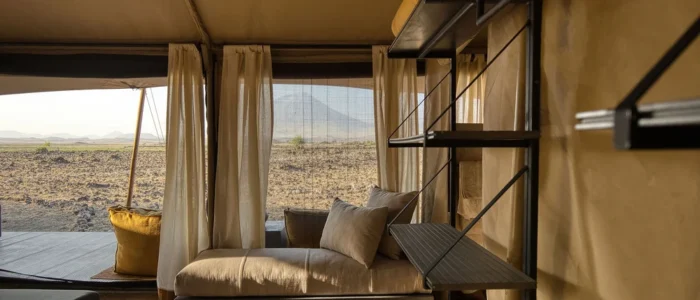
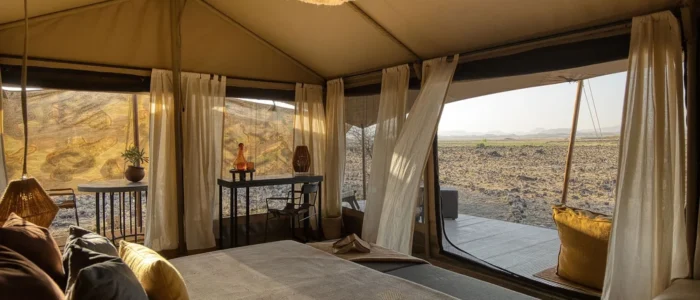
Have breakfast at 06:30, then depart at 07:00 for Lake Natron with packed lunch boxes. Enjoy a scenic drive through remote landscapes, Maasai villages, and dramatic volcanic backdrops. Stop for a picnic lunch at 12:30, then continue the drive. Arrive at the camp around 15:00, check in, and refresh. At 16:00, embark on a guided hike along Lake Natron, known for its flamingo-filled shores and views of Ol Doinyo Lengai, the sacred Maasai volcano. Return to camp by 18:00 for dinner and overnight. Accommodation Lake Natron Tented Camp

Day 6

Lake Natron to Amboseli National Park (via Namanga Border)

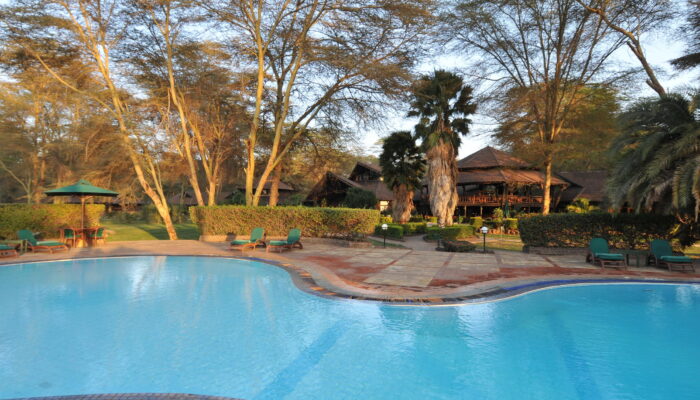
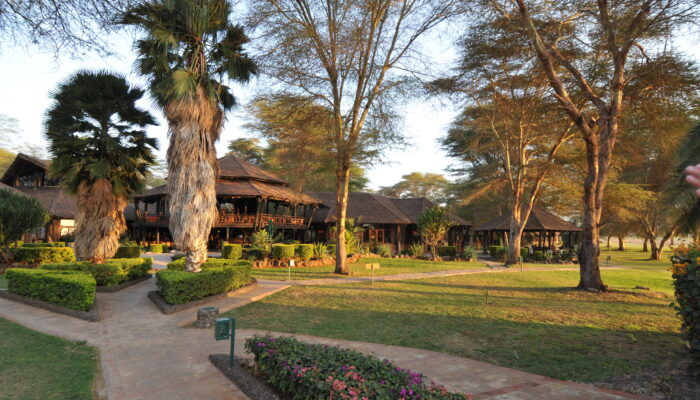
Enjoy breakfast at 08:00, check out with lunch boxes, and begin your journey to Amboseli National Park via Namanga Border. Arrive at the border around 13:00, go through customs with your passport and yellow fever certificate ready. After crossing into Kenya, enter Amboseli for an afternoon game drive starting around 15:00. Explore the park with views of Mount Kilimanjaro and its famous elephant herds. By 18:30, head to your lodge for check-in, dinner, and overnight stay. Accommodation Oltukai Lodge

Day 7

Amboseli Morning Game Drive & Return to Nairobi

Start the day early with a morning safari from 06:30 to 08:30, then return to the lodge for breakfast. Check out by 10:00 and begin your drive back to Nairobi. Arrive around 14:00 and transfer to your preferred drop-off point or the airport for your departure.

Make your dream trip come true with Bobu Africa

At Bobu Africa you can customize your trip. Our sample itineraries are adjustable to your preferences. Our specialists work together with you to create your dream journey!

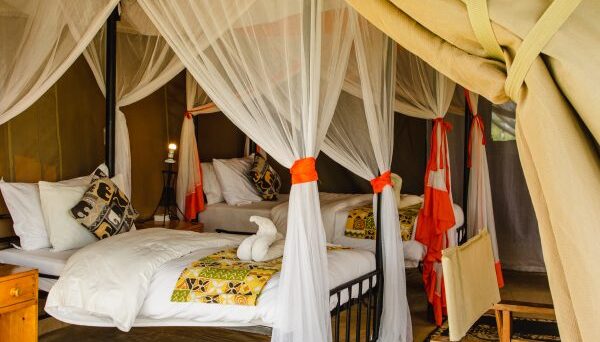
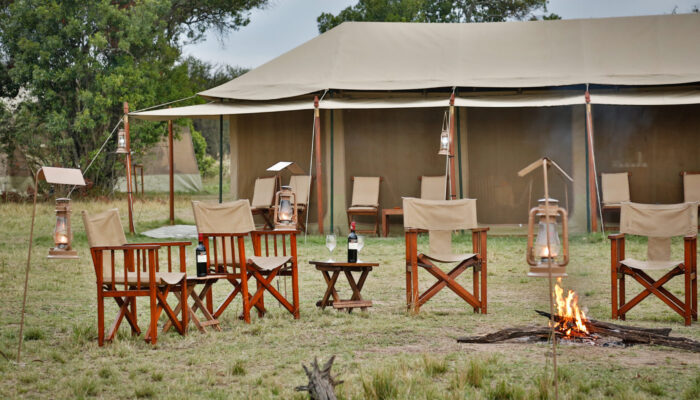
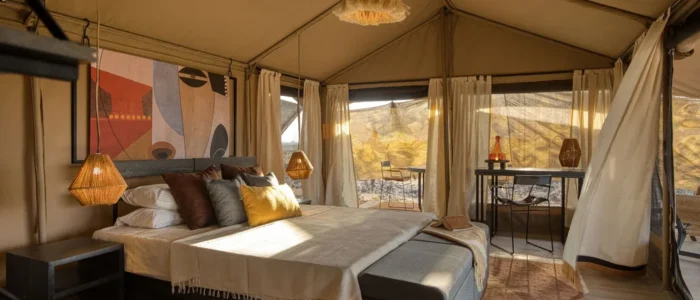
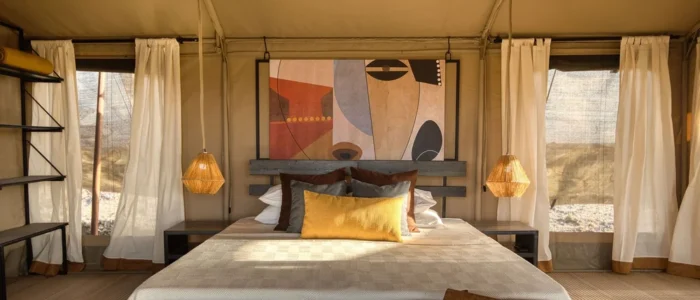
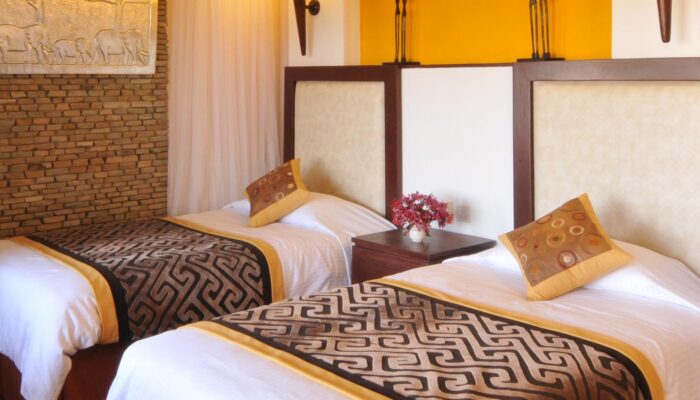
Your Stay, Your Way At Bobu Africa, we understand that where you stay is more than just a place to sleep—it’s an essential part of your journey and a reflection of the adventure itself. That’s why we take a different approach to safari accommodations. We don’t believe in one-size-fits-all. Instead, we craft your accommodation choices around you—your preferences, your travel dates, your desired comfort level, and your unique sense of adventure. We work with a wide range of trusted camps, lodges, and boutique hotels across East Africa, each carefully vetted for quality, safety, service, and charm. Whether you envision a luxurious lodge with an infinity pool overlooking the savannah, a family-friendly camp with open space and comfort, or a rustic tented experience where you fall asleep to the sounds of the wild, we find the best possible options that align with your vision and the rhythm of your safari. Tailored Comfort in Every Destination From the moment you land to your final game drive, every accommodation is thoughtfully selected to enhance your overall safari experience. Some of our favorites include:

  • Eco-lodges set deep in the bush, where you can sip sundowners by a firepit and listen to lions roar in the distance.
  • Charming lakeside retreats, perfect for birdwatching and peaceful sunsets.
  • High-end tented camps that blend comfort with nature, offering ensuite bathrooms, king-sized beds, and private verandas.
  • Mountain and crater-view lodges, where every morning begins with spectacular panoramas of iconic African landscapes.

No matter where you go, you can count on:

  • Clean, comfortable, and safe accommodations
  • Friendly staff and warm East African hospitality
  • Meals that celebrate local flavors, often served in scenic outdoor settings
  • Access to unique extras like cultural performances, guided nature walks, and even surprise bush breakfasts

More Than a Place to Sleep—A Place to Remember So whether you’re a seasoned explorer or planning your first safari, rest assured that with Bobu Africa, your stay will be as unforgettable as the landscapes, wildlife, and people that make Africa so magical. And if you’re not sure what kind of stay best suits you, our travel specialists are here to advise, recommend, and help you imagine the possibilities. You’ll never have to choose between comfort and authenticity—with Bobu Africa, you get both. Eka Hotel Nairobi : Eka is a contemporary 4-star hotel in Nairobi, conveniently located at the intersection of Mombasa Road and Southern By-pass, 5 minutes from JKIA through the express highway with close proximity to the Nairobi national park, major government and corporate organizations. Eka Hotel Nairobi features 167 well-appointed rooms, five meeting & conference rooms, restaurant & bar, gym, swimming pool, gift shop, wellness center among other top facilities offering the best choice venue for your business and leisure stay. Lake Nakuru Sopa Lodge: Located on a range of hills that form the western limits of Africa’s Great Rift Valley, the lodge offers spectacular views over the vastness of Africa. The lodge also overlooks Lake Nakuru and its surrounding National Park, one that is a paradise for bird watchers and wildlife lovers alike. Lake Nakuru National Park is mainly a wooded and bushy grassland with a wide ecological diversity and characteristic habitats that range from the lake waters to the escarpment and ridges. Oltukai Lodge: Ol Tukai Lodge is set at the foot of Mt. Kilimanjaro in Amboseli National Park, which is renowned for its elephant population. Writers have described Ol Tukai and the surrounding Amboseli with its breathtaking scenery and unique wildlife as ‘A home for the gods’. The lodge opened its doors in 1996, on the original setup for the film crew who shot Snow at Kilimanjaro in 1948 starring Gregory Peck, Susan Hayward and Ava Gardner – an adaptation of The Snows of Kilimanjaro and Other Stories, a compendium of short stories authored by Ernest Hemingway that was published in 1961.

Make your dream trip come true with Bobu Africa

At Bobu Africa you can customize your trip. Our sample itineraries are adjustable to your preferences. Our specialists work together with you to create your dream journey!

  • We understand that planning a safari is more than just organizing a trip—it's about crafting an unforgettable journey that resonates with your dreams and values. Our commitment is to provide you with an exceptional, personalized, and responsible travel experience from the moment you reach out to us until long after you've returned home

    1. Personalized Safari Experiences: Your adventure is unique, and so is our approach. We take the time to understand your preferences, interests, and expectations to design a safari that reflects your vision. Whether you're seeking a romantic getaway, a family adventure, or a solo expedition, we tailor every detail to ensure your journey is truly yours.​

    2. Transparent and Honest Communication: We believe in building trust through transparency. From clear pricing with no hidden fees to honest advice about destinations and accommodations, we provide all the information you need to make informed decisions. Our team is always available to answer your questions and provide support at every stage of your journey.

    3. Exceptional Quality and Service
    Excellence is at the heart of what we do. We partner with reputable lodges, experienced guides, and reliable service providers to ensure every aspect of your safari meets the highest standards. Our attention to detail and dedication to quality guarantee a seamless and memorable experience.​

    5. Safety and Well-being: Your safety is our priority. We adhere to stringent safety protocols and continuously monitor conditions to ensure a secure travel environment. Our team is trained to handle emergencies, and we provide comprehensive support to address any concerns during your safari.​

    4. Commitment to Sustainability: We are dedicated to responsible tourism that benefits both the environment and local communities. Our practices include minimizing waste, supporting conservation efforts, and engaging with community projects. By choosing us, you're contributing to the preservation of Africa's natural beauty and cultural heritage.

    6. Post-Trip Engagement: Our relationship doesn't end when your safari concludes. We value your feedback and are eager to hear about your experiences. Additionally, we keep you informed about the positive impact of your journey, including updates on conservation projects and community initiatives you've supported.​

  • When planning a safari, it’s important to carefully consider the time of year you want to travel to Africa. Safari seasons are determined by the weather, and the year is broken up into high/peak season and low season. Here is weather breakdown:

    https://youtu.be/l9taTr6Yd4E

  • High or peak season coincides with winter in the southern hemisphere. If you’re up north, then just flip your seasons around – your summer is our winter. Winter is a great time for safari because:

    • It’s cooler. Nights will be cold, but days are generally balmy.
    • The rain dries up, making it easier to drive on dirt roads.
    • The dry climate means fewer insects; the risk of malaria is lower.
    • The dryness makes rivers and waterholes evaporate.
    • Southern Africa’s thick vegetation dries up and thins out.

    All of this adds up to making game viewing easier. The animals don’t have much option but to stay close to water during the dry winter season, which means that they’re easily spotted. Demand is very high at this time of year and there is limited safari accommodation in prime wildlife areas. Most lodges have under twenty rooms, some as few as three, so rates are higher and you need to book and plan much further in advance

  • Also known as the ‘Green Season’, low season coincides with Africa’s humid and lush summer – the cold, snowy and slushy winter if you’re in the northern hemisphere. Across most of Africa, summer starts with rains in November: rivers and waterholes fill up, the vegetation and grasses are transformed from thin and brown to thick and green (hence, ‘Green Season’), baby animals are born, and all sorts of amazing birds arrive from the northern hemisphere. Essentially, everything from the peak season is reversed.

    Since the Green Season sees fewer visitors, you don’t have to plan so far in advance; three to six months is usually fine. If it’s a special occasion, like a honeymoon or proposal, and you have your heart set on a specific lodge, then it’s better to get it all wrapped up as soon as you can. Once again, your Africa Safari Expert will sort out the flights, transfers, lodges, activities – and perhaps even that bottle of Champagne on ice to celebrate!

  • If it’s your very first safari, we suggest visiting in high season, if you can, simply because you’re likely to see more animals, quicker. The animals are still about during Green Season, but in some destinations, they’re slightly more difficult to find – although it’s very rewarding when you do!

    Once the safari bug has bitten, make your second trip a Green Season safari so that you can experience the difference. There will be fewer safari vehicles about, plenty of baby animals and migrant birds, plus you’ll enjoy lower accommodation rates.

    Video Link: https://www.youtube.com/watch?v=l9taTr6Yd4E&t=36s

    Video Link: https://www.youtube.com/watch?v=qq9VvDGozBE&t=1s

    Video Link: https://www.youtube.com/watch?v=25JCPBvh8B0

  • Wherever you go, we will Put you at ease. In case of an emergency during your safari, Bobu Africa is here to support you 24/7. As your trusted travel partner, we offer on-safari assistance and can be contacted for any emergency situations that may arise.

    If you need immediate help, contact our dedicated emergency contact, which will be provided to you before your departure. Our experienced team is available around the clock to provide guidance, support, and assistance in case of emergencies. Whether you require medical assistance, have safety concerns, or need any other form of help during your safari, rest assured that Bobu Africa is just a phone call away. We are committed to ensuring your well-being and peace of mind throughout your African adventure. 

    We always have an Evacuation Plan is designed to give you fast, quality and affordable medical care in the event of a medical emergency across the larger Eastern African region. It ensures that you have access to exceptional emergency medical services, providing peace of mind during critical moments through our partnership with AMREF Flying Doctors.

  • When embarking on your African safari adventure, it’s important to ensure you have the necessary documentation with you. Here’s a list of essential documentation to bring:

    Passport: Your passport is your most important travel document. Ensure that it is valid for at least six months beyond your intended departure date from Africa. Check the specific entry requirements for the countries you plan to visit as some may require a visa. Remember to make copies of your passport and keep them separate from the original for backup purposes.

    Visas: Depending on your nationality and the countries you plan to visit; you may need to obtain visas in advance. Research the visa requirements for each destination and allow sufficient time for the application process. Some visas can be obtained upon arrival, while others require advance application.

    Travel Insurance: It’s highly recommended to have travel insurance that covers medical expenses, trip cancellation, lost luggage, and other unforeseen circumstances. Ensure that your insurance policy provides adequate coverage for your entire trip duration and the activities you plan to undertake, such as wildlife viewing and adventure sports.

    Health Documents: Check if any vaccinations or specific health requirements are needed for the countries you plan to visit. Some destinations may require a Yellow Fever vaccination certificate or other immunisations. Consult with your healthcare provider or a travel clinic for the most up-to-date information and recommendations.

    Itinerary and Confirmation Documents: Keep copies of your itinerary, flight tickets, hotel reservations, and any tour or activity confirmations. It’s helpful to have both digital and printed copies accessible during your travels.

    Remember to keep all your important documents in a secure place, such as a travel document organizer or a locked bag. It’s also a good idea to share your itinerary and contact details with a trusted family member or friend back home. If you have any specific questions regarding documentation requirements for your chosen destinations, our knowledgeable Africa Safari Experts are here to assist you and provide guidance.

  • With sound medical advice from your doctor or travel clinic specialist, plus up-to-date vaccinations and good old-fashioned common sense, you are very unlikely to have any serious health concerns when travelling to Africa. Ironically, the riskiest part of any journey in terms of your health is likely to be the long-haul flight.

    We highly recommend that you visit your doctor well in advance of your safari adventure to discuss any health concerns you might have.

    Yellow Fever Vaccine

    All travelers arriving in Kenya/Tanzania from countries where yellow fever is endemic should present a valid yellow fever certificate. 

    Yellow Fever Vaccination exemptions

    Infants aged less than 9 months, except during an epidemic when infants aged 6-9 months, in areas where the risk of infection is high, should also receive the vaccine.

    Pregnant women – except during a yellow fever outbreak when the risk of infection is high.

    People with severe allergies to egg protein. 

    People with severe immunodeficiency due to symptomatic HIV/AIDS or other causes, or who have a thymus disorder.

    How Do I Find A Yellow Fever Vaccine Near Me?

    Only CDC registered Yellow Fever Clinics can order and administer the yellow fever vaccine. Destination Health Travel Clinic offers three yellow fever certified locations in Massachusetts. 

     After vaccination, we provide you with the official CDC International Certificate of Vaccination or Prophylaxis (ICVP) also known as the “Yellow Book.”  A stamp is added to the document and serves as your proof of immunization. We suggest keeping your ICVP with your passport for safe keeping.

    If your travel plans include a visit to other popular destinations in Africa like Tanzania and Zanzibar or Victoria Falls, we will assist with health advice and vaccinations during the same visit.

  • We understand that planning a safari is more than just organizing a trip—it's about crafting an unforgettable journey that resonates with your dreams and values. Our commitment is to provide you with an exceptional, personalized, and responsible travel experience from the moment you reach out to us until long after you've returned home

    1. Personalized Safari Experiences: Your adventure is unique, and so is our approach. We take the time to understand your preferences, interests, and expectations to design a safari that reflects your vision. Whether you're seeking a romantic getaway, a family adventure, or a solo expedition, we tailor every detail to ensure your journey is truly yours.​

    2. Transparent and Honest Communication: We believe in building trust through transparency. From clear pricing with no hidden fees to honest advice about destinations and accommodations, we provide all the information you need to make informed decisions. Our team is always available to answer your questions and provide support at every stage of your journey.

    3. Exceptional Quality and Service
    Excellence is at the heart of what we do. We partner with reputable lodges, experienced guides, and reliable service providers to ensure every aspect of your safari meets the highest standards. Our attention to detail and dedication to quality guarantee a seamless and memorable experience.​

    5. Safety and Well-being: Your safety is our priority. We adhere to stringent safety protocols and continuously monitor conditions to ensure a secure travel environment. Our team is trained to handle emergencies, and we provide comprehensive support to address any concerns during your safari.​

    4. Commitment to Sustainability: We are dedicated to responsible tourism that benefits both the environment and local communities. Our practices include minimizing waste, supporting conservation efforts, and engaging with community projects. By choosing us, you're contributing to the preservation of Africa's natural beauty and cultural heritage.

    6. Post-Trip Engagement: Our relationship doesn't end when your safari concludes. We value your feedback and are eager to hear about your experiences. Additionally, we keep you informed about the positive impact of your journey, including updates on conservation projects and community initiatives you've supported.​

  • When planning a safari, it’s important to carefully consider the time of year you want to travel to Africa. Safari seasons are determined by the weather, and the year is broken up into high/peak season and low season. Here is weather breakdown:

    https://youtu.be/l9taTr6Yd4E

  • High or peak season coincides with winter in the southern hemisphere. If you’re up north, then just flip your seasons around – your summer is our winter. Winter is a great time for safari because:

    • It’s cooler. Nights will be cold, but days are generally balmy.
    • The rain dries up, making it easier to drive on dirt roads.
    • The dry climate means fewer insects; the risk of malaria is lower.
    • The dryness makes rivers and waterholes evaporate.
    • Southern Africa’s thick vegetation dries up and thins out.

    All of this adds up to making game viewing easier. The animals don’t have much option but to stay close to water during the dry winter season, which means that they’re easily spotted. Demand is very high at this time of year and there is limited safari accommodation in prime wildlife areas. Most lodges have under twenty rooms, some as few as three, so rates are higher and you need to book and plan much further in advance

  • Also known as the ‘Green Season’, low season coincides with Africa’s humid and lush summer – the cold, snowy and slushy winter if you’re in the northern hemisphere. Across most of Africa, summer starts with rains in November: rivers and waterholes fill up, the vegetation and grasses are transformed from thin and brown to thick and green (hence, ‘Green Season’), baby animals are born, and all sorts of amazing birds arrive from the northern hemisphere. Essentially, everything from the peak season is reversed.

    Since the Green Season sees fewer visitors, you don’t have to plan so far in advance; three to six months is usually fine. If it’s a special occasion, like a honeymoon or proposal, and you have your heart set on a specific lodge, then it’s better to get it all wrapped up as soon as you can. Once again, your Africa Safari Expert will sort out the flights, transfers, lodges, activities – and perhaps even that bottle of Champagne on ice to celebrate!

  • If it’s your very first safari, we suggest visiting in high season, if you can, simply because you’re likely to see more animals, quicker. The animals are still about during Green Season, but in some destinations, they’re slightly more difficult to find – although it’s very rewarding when you do!

    Once the safari bug has bitten, make your second trip a Green Season safari so that you can experience the difference. There will be fewer safari vehicles about, plenty of baby animals and migrant birds, plus you’ll enjoy lower accommodation rates.

    Video Link: https://www.youtube.com/watch?v=l9taTr6Yd4E&t=36s

    Video Link: https://www.youtube.com/watch?v=qq9VvDGozBE&t=1s

    Video Link: https://www.youtube.com/watch?v=25JCPBvh8B0

  • Wherever you go, we will Put you at ease. In case of an emergency during your safari, Bobu Africa is here to support you 24/7. As your trusted travel partner, we offer on-safari assistance and can be contacted for any emergency situations that may arise.

    If you need immediate help, contact our dedicated emergency contact, which will be provided to you before your departure. Our experienced team is available around the clock to provide guidance, support, and assistance in case of emergencies. Whether you require medical assistance, have safety concerns, or need any other form of help during your safari, rest assured that Bobu Africa is just a phone call away. We are committed to ensuring your well-being and peace of mind throughout your African adventure. 

    We always have an Evacuation Plan is designed to give you fast, quality and affordable medical care in the event of a medical emergency across the larger Eastern African region. It ensures that you have access to exceptional emergency medical services, providing peace of mind during critical moments through our partnership with AMREF Flying Doctors.

  • When embarking on your African safari adventure, it’s important to ensure you have the necessary documentation with you. Here’s a list of essential documentation to bring:

    Passport: Your passport is your most important travel document. Ensure that it is valid for at least six months beyond your intended departure date from Africa. Check the specific entry requirements for the countries you plan to visit as some may require a visa. Remember to make copies of your passport and keep them separate from the original for backup purposes.

    Visas: Depending on your nationality and the countries you plan to visit; you may need to obtain visas in advance. Research the visa requirements for each destination and allow sufficient time for the application process. Some visas can be obtained upon arrival, while others require advance application.

    Travel Insurance: It’s highly recommended to have travel insurance that covers medical expenses, trip cancellation, lost luggage, and other unforeseen circumstances. Ensure that your insurance policy provides adequate coverage for your entire trip duration and the activities you plan to undertake, such as wildlife viewing and adventure sports.

    Health Documents: Check if any vaccinations or specific health requirements are needed for the countries you plan to visit. Some destinations may require a Yellow Fever vaccination certificate or other immunisations. Consult with your healthcare provider or a travel clinic for the most up-to-date information and recommendations.

    Itinerary and Confirmation Documents: Keep copies of your itinerary, flight tickets, hotel reservations, and any tour or activity confirmations. It’s helpful to have both digital and printed copies accessible during your travels.

    Remember to keep all your important documents in a secure place, such as a travel document organizer or a locked bag. It’s also a good idea to share your itinerary and contact details with a trusted family member or friend back home. If you have any specific questions regarding documentation requirements for your chosen destinations, our knowledgeable Africa Safari Experts are here to assist you and provide guidance.

  • With sound medical advice from your doctor or travel clinic specialist, plus up-to-date vaccinations and good old-fashioned common sense, you are very unlikely to have any serious health concerns when travelling to Africa. Ironically, the riskiest part of any journey in terms of your health is likely to be the long-haul flight.

    We highly recommend that you visit your doctor well in advance of your safari adventure to discuss any health concerns you might have.

    Yellow Fever Vaccine

    All travelers arriving in Kenya/Tanzania from countries where yellow fever is endemic should present a valid yellow fever certificate. 

    Yellow Fever Vaccination exemptions

    Infants aged less than 9 months, except during an epidemic when infants aged 6-9 months, in areas where the risk of infection is high, should also receive the vaccine.

    Pregnant women – except during a yellow fever outbreak when the risk of infection is high.

    People with severe allergies to egg protein. 

    People with severe immunodeficiency due to symptomatic HIV/AIDS or other causes, or who have a thymus disorder.

    How Do I Find A Yellow Fever Vaccine Near Me?

    Only CDC registered Yellow Fever Clinics can order and administer the yellow fever vaccine. Destination Health Travel Clinic offers three yellow fever certified locations in Massachusetts. 

     After vaccination, we provide you with the official CDC International Certificate of Vaccination or Prophylaxis (ICVP) also known as the “Yellow Book.”  A stamp is added to the document and serves as your proof of immunization. We suggest keeping your ICVP with your passport for safe keeping.

    If your travel plans include a visit to other popular destinations in Africa like Tanzania and Zanzibar or Victoria Falls, we will assist with health advice and vaccinations during the same visit.

WHY CHOOSE BOBU AFRICA?

Highest service

Quickest response time

100% specialized in Tanzania

Skilled travel consultants living in Tanzania

World class safari guides

Competitive rates

Top rated private safaris

LET US CREATE YOUR TAILOR-MADE TRIP

RECEIVE A FREE, NO OBLIGATION QUOTE

CALL AN EXPERT

OUR SPECIALISTS ARE HERE TO ASSIST YOU