0 Results Clear Filter
4.9/5

Based on 45 Reviews


Lake Nakuru National Park
Heart of the Great Rift Valley & Sanctuary of Flamingos and RhinosDays | All-Inclusive
1 photos
Nestled 156 km northwest of Nairobi in Kenya’s Great Rift Valley, Lake Nakuru National Park spans 188 km² and was gazetted as Africa’s first rhino sanctuary in 1968. From vibrant bird flocks along its alkaline shores to the yellow-barked acacia woodlands and dramatic rocky cliffs, the park offers an immersive safari experience that blends ecological diversity with breathtaking scenery
Lake Nakuru National Park
Nestled 156 km northwest of Nairobi in Kenya’s Great Rift Valley, Lake Nakuru National Park spans 188 km² and was gazetted as Africa’s first rhino sanctuary in 1968. From vibrant bird flocks along its alkaline shores to the yellow-barked acacia woodlands and dramatic rocky cliffs, the park offers an immersive safari experience that blends ecological diversity with breathtaking scenery
Why You Should Visit Lake Nakuru
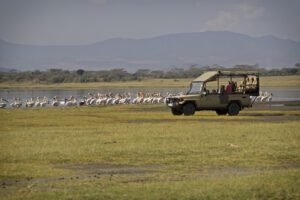
Up until 2014, Lake Nakuru was renowned for its vast flamingo population (sometimes more than 1.5 million of them at one time), which covered the lake in a blanket of pink plumes. However, rising water levels from heavy flooding have drastically reduced this phenomenon, shrinking their breeding and feeding grounds. Flamingos may not be as abundant as they once were, but a safari at Lake Nakuru still delivers some of the best wildlife viewing in Kenya.
Kenya’s First Rhino Sanctuary
Established in 1983, the park protects one of Kenya’s largest concentrations of black rhinos—approximately 30–40 individuals—and over 120 white rhinos, offering exceptionally close and calm sightings from safari vehicles
Diverse Mammal Encounters
Beyond rhinos, Lake Nakuru is home to lions, leopards, Rothschild’s giraffes, zebras, waterbucks, and hippos. Recent surveys recorded over 50 mammal species roaming the woodlands and grasslands
World-Class Birdwatching Haven
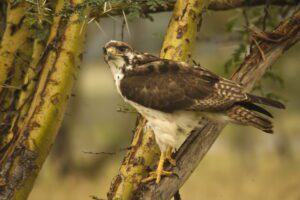
Recognized as an Important Bird Area, the park hosts 546 bird species—including African fish eagle, Goliath heron, hamerkop, and migratory Amur falcons—making it a bucket-list destination for ornithologists and wildlife filmmakers
Scenic Vantage Points & Makalia Waterfalls
Climb Baboon Cliff, Lion Hill, or Out of Africa Hill for sweeping panoramas of the lake and its flamingo flocks. Makalia Waterfalls, fed by seasonal streams, provides a tranquil picnic spot amid bush-savannah vegetation
Flora & Ecological Significance
The park supports over 550 plant species, including Africa’s largest euphorbia forest and yellow acacia woodlands, which underpin the rich wildlife communities and contribute to the region’s ecological resilience
Best Times to Visit
• Dry Season (June–October, January–February): Optimal road conditions, predictable game sightings, and migratory bird arrivals.
• Short Rains (November–December): Lush landscapes, newborn wildlife, fewer crowds—4×4 recommended.
• Long Rains (March–May): Green scenery and abundant birdlife—ideal for photography, though roads may be slippery.
Activities & Luxury Lodges
Enjoy guided game drives, birding walks, bush-side sundowners. Choose from lakeside lodges and tented camps offering all-inclusive photography safari and family wildlife tour packages.
Conservation & Community Engagement
Managed by Kenya Wildlife Service in partnership with local communities, the park leads anti-poaching patrols, rhino translocation programs, and community-led eco-tourism initiatives that foster sustainable livelihoods and wildlife protection.
Ideal for All Travelers
From solo photographers chasing the perfect shot under Baboon Cliff to multi-generational families seeking close encounters with rhinos, Lake Nakuru delivers unforgettable safari moments and educational wildlife experiences.
INFORMATION AND FACTS.
Quick L. Nakuru Facts
- Area: 188 km² (73 mi²), second-smallest among Kenya’s Rift Valley parks
- Habitats: Soda lake, grasslands, acacia woodlands, rocky escarpments, marshes
- Wildlife Highlights: Black & white rhinos, lions, leopards, Rothschild’s giraffes, hippos
- Bird Species: 546 recorded species, 21 globally threatened
- Plant Diversity: 550+ species, including Africa’s largest euphorbia forest
Activities in Lake Nakuru
- Game Drives for rhino and big-cat sightings
- Birdwatching Excursions at the lake shore and wetlands
- Nature Walks in designated trails with expert guides
- Picnic Safaris at Makalia Waterfalls and Baboon Cliff
- Photography Safaris tailored to capture wildlife and landscapes
How to Get There By Road: 156 km (2–3 hr drive) from Nairobi via A104—enter through Lanet, Nderit, or Main Gates By Air: Daily charters to Naishi Airstrip adjacent to Naishi Guest House Talk to an Expert
Price
No of Pax:
Price* USD per Person Sharing: $0
Children 7-12 years in a group of 5: $
Our Rates Are Per Person Sharing Unless We Note Differently
- Please treat all pricing as a guide only:
- All rates are subject to availability and may change without notice.
- Single supplements may apply.
- Request a quote or speak to one of our African Safari Experts for the best, most current rates available.
Includes
Excludes
Share


ITINERARY

4.9/5
Based on 45 Reviews