0
Results
Clear Filter
4.9/5
Based on 53 Reviews


Ngorongoro Conservation Area
A mix of Nature and CultureDays | All-Inclusive
1 photos
The Ngorongoro Conservation Area (NCA) covers 8,292 km² in northern Tanzania and was established in 1959 as a multiple land‑use area where wildlife coexists with Maasai pastoralists. Its centerpiece, the Ngorongoro Crater, is the world’s largest intact caldera. It hosts roughly 25,000 large mammals, including the Big Five and significant black rhino populations.
Ngorongoro Conservation Area
The Ngorongoro Conservation Area (NCA) covers 8,292 km² in northern Tanzania and was established in 1959 as a multiple land‑use area where wildlife coexists with Maasai pastoralists. Its centerpiece, the Ngorongoro Crater, is the world’s largest intact caldera. It hosts roughly 25,000 large mammals, including the Big Five and significant black rhino populations.
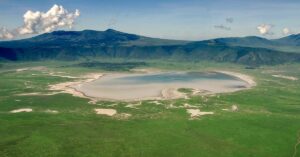
Recognized as a UNESCO World Heritage Site in 1979 for both natural and cultural values, the NCA also contains Olduvai Gorge and Laetoli Footprints, key paleoanthropological sites spanning nearly four million years of human evolution. Visitors can enjoy year‑round wildlife viewing, hiking crater rims, archaeological tours, and authentic Maasai cultural experiences amid striking highland plains, forests, and volcanic landscapes.
Why You Should Visit Ngorongoro
Unmatched Wildlife Density
The crater floor supports approximately 25,000 large mammals; lions, elephants, buffaloes, leopards, and the endangered black rhinoceros. Making it one of Africa’s prime game‑viewing venues.
Big Five & Beyond
Beyond the classic Big Five, you’ll find spotted hyenas, African wild dogs, hippos, and diverse herbivores like wildebeest and Grant’s gazelle thriving in varying crater habitats
Cradle of Human Kind
Explore Olduvai Gorge and the Laetoli Footprints, the “Cradle of Humankind”, where hominid fossils and 3.6‑million‑year‑old footprints reveal our evolutionary story.
The Ngorongoro Conservation Area (NCA) covers 8,292 km² in northern Tanzania and was established in 1959 as a multiple land‑use area where wildlife coexists with Maasai pastoralists. Its centerpiece, the Ngorongoro Crater, is the world’s largest intact caldera. It hosts roughly 25,000 large mammals, including the Big Five and significant black rhino populations. Recognized as a UNESCO World Heritage Site in 1979 for both natural and cultural values, the NCA also contains Olduvai Gorge and Laetoli Footprints, key paleoanthropological sites spanning nearly four million years of human evolution. Visitors can enjoy year‑round wildlife viewing, hiking crater rims, archaeological tours, and authentic Maasai cultural experiences amid striking highland plains, forests, and volcanic landscapes.
Why You Should Visit Ngorongoro
Unmatched Wildlife Density
The crater floor supports approximately 25,000 large mammals; lions, elephants, buffaloes, leopards, and the endangered black rhinoceros. Making it one of Africa’s prime game‑viewing venues.
Big Five & Beyond
Beyond the classic Big Five, you’ll find spotted hyenas, African wild dogs, hippos, and diverse herbivores like wildebeest and Grant’s gazelle thriving in varying crater habitats
Cradle of Human Kind
Explore Olduvai Gorge and the Laetoli Footprints, the “Cradle of Humankind”, where hominid fossils and 3.6‑million‑year‑old footprints reveal our evolutionary story.
Living Maasai Culture
Engage with Maasai communities who graze cattle alongside wildlife and preserve age‑old traditions in bomas dotting the crater rim and surrounding highlands.
Spectacular Landscapes
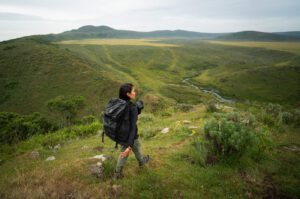
Hike Empakaai and Olmoti crater rims for panoramic views of soda lakes, montane forests, and expansive Rift Valley vistas.
Living Maasai Culture
Engage with Maasai communities who graze cattle alongside wildlife and preserve age‑old traditions in bomas dotting the crater rim and surrounding highlands.
Spectacular Landscapes
Hike Empakaai and Olmoti crater rims for panoramic views of soda lakes, montane forests, and expansive Rift Valley vistas.
INFORMATION AND FACTS.
Quick Facts
- Location: Ngorongoro District, Arusha Region, northern Tanzania
- Area: 8,292 km² (809,440 ha)
- Established: 1959 as a multiple land‑use protected area
- UNESCO Designation: World Heritage Site (1979), Mixed Natural & Cultural (2010), Man & Biosphere Reserve (1981), Global Geopark (2018)
- Highest Point: Ol Doinyo Lengai Volcano, 2,962 m above sea level
- Annual Visitors: Over 750,000 (2023)
- Governing Body: Ngorongoro Conservation Area Authority (NCAA)
Activities
- Crater Game Drives: Early morning and sunset drives in open 4×4 vehicles for optimum wildlife encounters.
- Hiking & Trekking: Guided treks around Empakaai and Olmoti craters, including visits to soda lakes and birdwatching at cliff‑edge viewpoints
- Archaeological Tours: Expert‑led excursions to Olduvai Gorge, Dr. Mary Leakey Living Museum, and Laetoli Footprints
- Cultural Visits: Interactive experiences at Maasai bomas, Datoga blacksmith demonstrations, and Hadzabe hunter gatherer camps.
- Birdwatching: Spot over 500 species, including flamingos, eagles, and weavers, around soda lakes and forest patches.
How to Get There By Road: A 3‑hour (180 km) drive from Arusha via the main Arusha–Karatu road, followed by the Karatu–Ngorongoro route. By Air: Charter flights land at Lake Manyara or Kogatende airstrips; from there it’s a 1–2 hour drive into the NCA. Plan Your Safari Embark on a Ngorongoro safari for a rare blend of wildlife spectacle, geological marvels, and living human heritage, an African experience like no other. Talk to an Expert
Price
No of Pax:
Price* USD per Person Sharing: $0
Children 7-12 years in a group of 5: $
Our Rates Are Per Person Sharing Unless We Note Differently
- Please treat all pricing as a guide only:
- All rates are subject to availability and may change without notice.
- Single supplements may apply.
- Request a quote or speak to one of our African Safari Experts for the best, most current rates available.
Includes
Excludes
Share


ITINERARY

4.9/5
Based on 53 Reviews