4.9/54.9 tripadvisor stars
Based on 45 Reviews
5.0/5
Based on 41 Reviews

Samburu National Reserve

Wildlife & Culture on the Ewaso Ny’iro’s Pristine Banks

Days | All-Inclusive

Samburu National Reserve spans 165 km² of arid and semi-arid terrain along Kenya’s Ewaso Ng’iro River, offering remote wilderness and year‑round wildlife viewing. Located approximately 345 km north of Nairobi (a 6–7 hour drive), the reserve sits at 800–1,230 m elevation in Ecological Zone V, where daytime temperatures soar to 30 °C and nights drop to around 18 °C. Rainfall peaks in April and November, with the dry season from May to October concentrating game along the riverbanks
No Dates
Samburu National Reserve

Samburu National Reserve spans 165 km² of arid and semi-arid terrain along Kenya’s Ewaso Ng’iro River, offering remote wilderness and year‑round wildlife viewing. Located approximately 345 km north of Nairobi (a 6–7 hour drive), the reserve sits at 800–1,230 m elevation in Ecological Zone V, where daytime temperatures soar to 30 °C and nights drop to around 18 °C. Rainfall peaks in April and November, with the dry season from May to October concentrating game along the riverbanks 

Why You Should Visit Samburu National Reserve

The Samburu “Special Five”
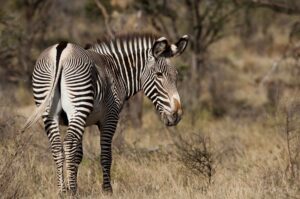
Encounter five species largely unique to northern Kenya—the Grevy’s zebra, Somali ostrich, reticulated giraffe, gerenuk, and Beisa oryx—on expertly guided photography safaris 

Birdwatcher’s Paradise
Recognized as an Important Bird Area, Samburu records over 450 species—from vulturine guineafowl to Amur falcon—making it a bucket‑list destination for ornithologists and wildlife filmmakers.

Elephant Sanctuary
Home to nearly 900 elephants, Samburu offers spectacular mahout‑free encounters as herds forage marshes and riverine forests 

Big‑Cat Territory & Predator Highlights
Spot lions, leopards—among Kenya’s most reliably seen—and cheetahs on open savanna game drives, with famous resident Kamunyak, the lioness who adopted an oryx calf 

Always‑Flowing Ewaso Ng’iro River
This lifeline carves gallery forests through the reserve, guaranteeing year‑round concentrations of waterbuck, hippos, crocodiles, and other wildlife for unforgettable sundowner viewpoints 

Samburu People
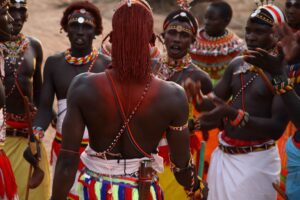
The Samburu are sometimes referred to as ‘The Butterfly People’ due to their colourful ornaments, attire and hairstyles. Closely related to the Maasai community, the Samburu have distinct cultures, traditions and rituals, which have been immortalised in several Hollywood movies including ‘Mogambo’ (1953). The Samburu also appeared in one of the most iconic Nike adverts of the 1980s. Here a Samburu man says in Maa language: “I don’t want these. Give me big shoes.” which was translated to ‘Just Do It’.

Spectacular Landscapes & Vantage Points
Towering doum palms, acacia‑scattered plains, and rugged ridges like Ololokwe and Koitogor provide dramatic backdrops for classic East Africa photography safaris.

Community‑Led Conservancies
Explore adjacent Kalama, West Gate, and Namunyak conservancies—models of community conservation that protect corridors for wildlife movement and offer cultural visits with Samburu pastoralists .
Year‑Round Safari Seasons
• Dry Season (Jun–Oct): Best for predator sightings and clear‑skies photography.
• Short Rains (Nov–Dec): Lush scenery and newborn game—4×4 recommended.
• Long Rains (Mar–May): Green landscapes and fewer visitors, though tracks may be slippery 

Diverse Activities & Luxury Camps
From dawn hot‑air balloon safaris and walking tours to bush meals and starlit sundowners, stay in riverside tented camps or exclusive lodges on tailored Samburu safari packages.

Conservation & Cultural Immersion
Partnering with the Northern Rangelands Trust and Kenya Wildlife Service, Samburu’s anti‑poaching, community‑livelihood, and cultural‑exchange programs ensure sustainable tourism and authentic Maasai encounters.

How to Get There
By Road: 345 km (6–7 hr drive) from Nairobi via Nanyuki–Archers Post route, entering through Samburu, Buffalo Springs, or Shaba gates .
By Air: Daily charters to Samburu Airstrip (Archers Post) and Kalama Airstrip for light aircraft.

INFORMATION AND FACTS.

QUICK SAMBURU FACTS

  • Area: 165 km² along the Ewaso Ng’iro River
  • Established: 1985 under IUCN Category II protection
  • Elevation: 800–1,230 m above sea level
  • Climate Zone: Arid & semi‑arid (Zone V), 18–30 °C, 350 mm annual rainfall
  • Wildlife Highlights: Special Five, 900 elephants, Big Five predators
  • Birdlife: 450+ species, Important Bird Area status
  • Conservancies: Kalama, West Gate, Namunyak adjoining reserves

Activities in Samburu

  • Game Drives for the Special Five and predators
  • Maasai Village Visits & cultural experiences
  • Guided Walking Safaris along riverine forests
  • Birdwatching Excursions at river springs and floodplains
  • Bush Meals & Sundowners overlooking the Ewaso Ng’iro

Frequently Asked Questions Q: When is the best time to see the Samburu Special Five? A: During the dry season (June–October), when species concentrate along the river corridors for reliable sightings. Q: Are community visits suitable for families? A: Yes—family‑friendly cultural experiences at Maasai bomas and conservancy camps can be arranged with age‑appropriate activities Q: What should I pack for a Samburu photography safari? A: Neutral layers, sturdy walking shoes, camera gear with telephoto lens, binoculars, sun protection, and a light rain jacket for short‑rain spells. Plan Your Samburu Safari Today Ready to explore the Wildlife & Culture on the Ewaso Ny’iro’s Pristine Banks? Enquire now about our luxury Samburu safari packages—featuring expert guides, exclusive lodges, and photo‑perfect itineraries for the trip of a lifetime. Talk to an Expert

Price
No of Pax:
Price* USD per Person Sharing: $0
Children 7-12 years in a group of 5: $

Our Rates Are Per Person Sharing Unless We Note Differently
  1. Please treat all pricing as a guide only:
  2. All rates are subject to availability and may change without notice.
  3. Single supplements may apply.
  4. Request a quote or speak to one of our African Safari Experts for the best, most current rates available.
Includes
Excludes

WHAT OUR GUESTS SAY ABOUT THIS TRIP

Make your dream trip come true with Bobu Africa

At Bobu Africa you can customize your trip. Our sample itineraries are adjustable to your preferences. Our specialists work together with you to create your dream journey!

ITINERARY

Make your dream trip come true with Bobu Africa

At Bobu Africa you can customize your trip. Our sample itineraries are adjustable to your preferences. Our specialists work together with you to create your dream journey!

Make your dream trip come true with Bobu Africa

At Bobu Africa you can customize your trip. Our sample itineraries are adjustable to your preferences. Our specialists work together with you to create your dream journey!

  • We understand that planning a safari is more than just organizing a trip—it's about crafting an unforgettable journey that resonates with your dreams and values. Our commitment is to provide you with an exceptional, personalized, and responsible travel experience from the moment you reach out to us until long after you've returned home

    1. Personalized Safari Experiences: Your adventure is unique, and so is our approach. We take the time to understand your preferences, interests, and expectations to design a safari that reflects your vision. Whether you're seeking a romantic getaway, a family adventure, or a solo expedition, we tailor every detail to ensure your journey is truly yours.​

    2. Transparent and Honest Communication: We believe in building trust through transparency. From clear pricing with no hidden fees to honest advice about destinations and accommodations, we provide all the information you need to make informed decisions. Our team is always available to answer your questions and provide support at every stage of your journey.

    3. Exceptional Quality and Service
    Excellence is at the heart of what we do. We partner with reputable lodges, experienced guides, and reliable service providers to ensure every aspect of your safari meets the highest standards. Our attention to detail and dedication to quality guarantee a seamless and memorable experience.​

    5. Safety and Well-being: Your safety is our priority. We adhere to stringent safety protocols and continuously monitor conditions to ensure a secure travel environment. Our team is trained to handle emergencies, and we provide comprehensive support to address any concerns during your safari.​

    4. Commitment to Sustainability: We are dedicated to responsible tourism that benefits both the environment and local communities. Our practices include minimizing waste, supporting conservation efforts, and engaging with community projects. By choosing us, you're contributing to the preservation of Africa's natural beauty and cultural heritage.

    6. Post-Trip Engagement: Our relationship doesn't end when your safari concludes. We value your feedback and are eager to hear about your experiences. Additionally, we keep you informed about the positive impact of your journey, including updates on conservation projects and community initiatives you've supported.​

  • When planning a safari, it’s important to carefully consider the time of year you want to travel to Africa. Safari seasons are determined by the weather, and the year is broken up into high/peak season and low season. Here is weather breakdown:

    https://youtu.be/l9taTr6Yd4E

  • High or peak season coincides with winter in the southern hemisphere. If you’re up north, then just flip your seasons around – your summer is our winter. Winter is a great time for safari because:

    • It’s cooler. Nights will be cold, but days are generally balmy.
    • The rain dries up, making it easier to drive on dirt roads.
    • The dry climate means fewer insects; the risk of malaria is lower.
    • The dryness makes rivers and waterholes evaporate.
    • Southern Africa’s thick vegetation dries up and thins out.

    All of this adds up to making game viewing easier. The animals don’t have much option but to stay close to water during the dry winter season, which means that they’re easily spotted. Demand is very high at this time of year and there is limited safari accommodation in prime wildlife areas. Most lodges have under twenty rooms, some as few as three, so rates are higher and you need to book and plan much further in advance

  • Also known as the ‘Green Season’, low season coincides with Africa’s humid and lush summer – the cold, snowy and slushy winter if you’re in the northern hemisphere. Across most of Africa, summer starts with rains in November: rivers and waterholes fill up, the vegetation and grasses are transformed from thin and brown to thick and green (hence, ‘Green Season’), baby animals are born, and all sorts of amazing birds arrive from the northern hemisphere. Essentially, everything from the peak season is reversed.

    Since the Green Season sees fewer visitors, you don’t have to plan so far in advance; three to six months is usually fine. If it’s a special occasion, like a honeymoon or proposal, and you have your heart set on a specific lodge, then it’s better to get it all wrapped up as soon as you can. Once again, your Africa Safari Expert will sort out the flights, transfers, lodges, activities – and perhaps even that bottle of Champagne on ice to celebrate!

  • If it’s your very first safari, we suggest visiting in high season, if you can, simply because you’re likely to see more animals, quicker. The animals are still about during Green Season, but in some destinations, they’re slightly more difficult to find – although it’s very rewarding when you do!

    Once the safari bug has bitten, make your second trip a Green Season safari so that you can experience the difference. There will be fewer safari vehicles about, plenty of baby animals and migrant birds, plus you’ll enjoy lower accommodation rates.

    Video Link: https://www.youtube.com/watch?v=l9taTr6Yd4E&t=36s

    Video Link: https://www.youtube.com/watch?v=qq9VvDGozBE&t=1s

    Video Link: https://www.youtube.com/watch?v=25JCPBvh8B0

  • Wherever you go, we will Put you at ease. In case of an emergency during your safari, Bobu Africa is here to support you 24/7. As your trusted travel partner, we offer on-safari assistance and can be contacted for any emergency situations that may arise.

    If you need immediate help, contact our dedicated emergency contact, which will be provided to you before your departure. Our experienced team is available around the clock to provide guidance, support, and assistance in case of emergencies. Whether you require medical assistance, have safety concerns, or need any other form of help during your safari, rest assured that Bobu Africa is just a phone call away. We are committed to ensuring your well-being and peace of mind throughout your African adventure. 

    We always have an Evacuation Plan is designed to give you fast, quality and affordable medical care in the event of a medical emergency across the larger Eastern African region. It ensures that you have access to exceptional emergency medical services, providing peace of mind during critical moments through our partnership with AMREF Flying Doctors.

  • When embarking on your African safari adventure, it’s important to ensure you have the necessary documentation with you. Here’s a list of essential documentation to bring:

    Passport: Your passport is your most important travel document. Ensure that it is valid for at least six months beyond your intended departure date from Africa. Check the specific entry requirements for the countries you plan to visit as some may require a visa. Remember to make copies of your passport and keep them separate from the original for backup purposes.

    Visas: Depending on your nationality and the countries you plan to visit; you may need to obtain visas in advance. Research the visa requirements for each destination and allow sufficient time for the application process. Some visas can be obtained upon arrival, while others require advance application.

    Travel Insurance: It’s highly recommended to have travel insurance that covers medical expenses, trip cancellation, lost luggage, and other unforeseen circumstances. Ensure that your insurance policy provides adequate coverage for your entire trip duration and the activities you plan to undertake, such as wildlife viewing and adventure sports.

    Health Documents: Check if any vaccinations or specific health requirements are needed for the countries you plan to visit. Some destinations may require a Yellow Fever vaccination certificate or other immunisations. Consult with your healthcare provider or a travel clinic for the most up-to-date information and recommendations.

    Itinerary and Confirmation Documents: Keep copies of your itinerary, flight tickets, hotel reservations, and any tour or activity confirmations. It’s helpful to have both digital and printed copies accessible during your travels.

    Remember to keep all your important documents in a secure place, such as a travel document organizer or a locked bag. It’s also a good idea to share your itinerary and contact details with a trusted family member or friend back home. If you have any specific questions regarding documentation requirements for your chosen destinations, our knowledgeable Africa Safari Experts are here to assist you and provide guidance.

  • With sound medical advice from your doctor or travel clinic specialist, plus up-to-date vaccinations and good old-fashioned common sense, you are very unlikely to have any serious health concerns when travelling to Africa. Ironically, the riskiest part of any journey in terms of your health is likely to be the long-haul flight.

    We highly recommend that you visit your doctor well in advance of your safari adventure to discuss any health concerns you might have.

    Yellow Fever Vaccine

    All travelers arriving in Kenya/Tanzania from countries where yellow fever is endemic should present a valid yellow fever certificate. 

    Yellow Fever Vaccination exemptions

    Infants aged less than 9 months, except during an epidemic when infants aged 6-9 months, in areas where the risk of infection is high, should also receive the vaccine.

    Pregnant women – except during a yellow fever outbreak when the risk of infection is high.

    People with severe allergies to egg protein. 

    People with severe immunodeficiency due to symptomatic HIV/AIDS or other causes, or who have a thymus disorder.

    How Do I Find A Yellow Fever Vaccine Near Me?

    Only CDC registered Yellow Fever Clinics can order and administer the yellow fever vaccine. Destination Health Travel Clinic offers three yellow fever certified locations in Massachusetts. 

     After vaccination, we provide you with the official CDC International Certificate of Vaccination or Prophylaxis (ICVP) also known as the “Yellow Book.”  A stamp is added to the document and serves as your proof of immunization. We suggest keeping your ICVP with your passport for safe keeping.

    If your travel plans include a visit to other popular destinations in Africa like Tanzania and Zanzibar or Victoria Falls, we will assist with health advice and vaccinations during the same visit.

  • We understand that planning a safari is more than just organizing a trip—it's about crafting an unforgettable journey that resonates with your dreams and values. Our commitment is to provide you with an exceptional, personalized, and responsible travel experience from the moment you reach out to us until long after you've returned home

    1. Personalized Safari Experiences: Your adventure is unique, and so is our approach. We take the time to understand your preferences, interests, and expectations to design a safari that reflects your vision. Whether you're seeking a romantic getaway, a family adventure, or a solo expedition, we tailor every detail to ensure your journey is truly yours.​

    2. Transparent and Honest Communication: We believe in building trust through transparency. From clear pricing with no hidden fees to honest advice about destinations and accommodations, we provide all the information you need to make informed decisions. Our team is always available to answer your questions and provide support at every stage of your journey.

    3. Exceptional Quality and Service
    Excellence is at the heart of what we do. We partner with reputable lodges, experienced guides, and reliable service providers to ensure every aspect of your safari meets the highest standards. Our attention to detail and dedication to quality guarantee a seamless and memorable experience.​

    5. Safety and Well-being: Your safety is our priority. We adhere to stringent safety protocols and continuously monitor conditions to ensure a secure travel environment. Our team is trained to handle emergencies, and we provide comprehensive support to address any concerns during your safari.​

    4. Commitment to Sustainability: We are dedicated to responsible tourism that benefits both the environment and local communities. Our practices include minimizing waste, supporting conservation efforts, and engaging with community projects. By choosing us, you're contributing to the preservation of Africa's natural beauty and cultural heritage.

    6. Post-Trip Engagement: Our relationship doesn't end when your safari concludes. We value your feedback and are eager to hear about your experiences. Additionally, we keep you informed about the positive impact of your journey, including updates on conservation projects and community initiatives you've supported.​

  • When planning a safari, it’s important to carefully consider the time of year you want to travel to Africa. Safari seasons are determined by the weather, and the year is broken up into high/peak season and low season. Here is weather breakdown:

    https://youtu.be/l9taTr6Yd4E

  • High or peak season coincides with winter in the southern hemisphere. If you’re up north, then just flip your seasons around – your summer is our winter. Winter is a great time for safari because:

    • It’s cooler. Nights will be cold, but days are generally balmy.
    • The rain dries up, making it easier to drive on dirt roads.
    • The dry climate means fewer insects; the risk of malaria is lower.
    • The dryness makes rivers and waterholes evaporate.
    • Southern Africa’s thick vegetation dries up and thins out.

    All of this adds up to making game viewing easier. The animals don’t have much option but to stay close to water during the dry winter season, which means that they’re easily spotted. Demand is very high at this time of year and there is limited safari accommodation in prime wildlife areas. Most lodges have under twenty rooms, some as few as three, so rates are higher and you need to book and plan much further in advance

  • Also known as the ‘Green Season’, low season coincides with Africa’s humid and lush summer – the cold, snowy and slushy winter if you’re in the northern hemisphere. Across most of Africa, summer starts with rains in November: rivers and waterholes fill up, the vegetation and grasses are transformed from thin and brown to thick and green (hence, ‘Green Season’), baby animals are born, and all sorts of amazing birds arrive from the northern hemisphere. Essentially, everything from the peak season is reversed.

    Since the Green Season sees fewer visitors, you don’t have to plan so far in advance; three to six months is usually fine. If it’s a special occasion, like a honeymoon or proposal, and you have your heart set on a specific lodge, then it’s better to get it all wrapped up as soon as you can. Once again, your Africa Safari Expert will sort out the flights, transfers, lodges, activities – and perhaps even that bottle of Champagne on ice to celebrate!

  • If it’s your very first safari, we suggest visiting in high season, if you can, simply because you’re likely to see more animals, quicker. The animals are still about during Green Season, but in some destinations, they’re slightly more difficult to find – although it’s very rewarding when you do!

    Once the safari bug has bitten, make your second trip a Green Season safari so that you can experience the difference. There will be fewer safari vehicles about, plenty of baby animals and migrant birds, plus you’ll enjoy lower accommodation rates.

    Video Link: https://www.youtube.com/watch?v=l9taTr6Yd4E&t=36s

    Video Link: https://www.youtube.com/watch?v=qq9VvDGozBE&t=1s

    Video Link: https://www.youtube.com/watch?v=25JCPBvh8B0

  • Wherever you go, we will Put you at ease. In case of an emergency during your safari, Bobu Africa is here to support you 24/7. As your trusted travel partner, we offer on-safari assistance and can be contacted for any emergency situations that may arise.

    If you need immediate help, contact our dedicated emergency contact, which will be provided to you before your departure. Our experienced team is available around the clock to provide guidance, support, and assistance in case of emergencies. Whether you require medical assistance, have safety concerns, or need any other form of help during your safari, rest assured that Bobu Africa is just a phone call away. We are committed to ensuring your well-being and peace of mind throughout your African adventure. 

    We always have an Evacuation Plan is designed to give you fast, quality and affordable medical care in the event of a medical emergency across the larger Eastern African region. It ensures that you have access to exceptional emergency medical services, providing peace of mind during critical moments through our partnership with AMREF Flying Doctors.

  • When embarking on your African safari adventure, it’s important to ensure you have the necessary documentation with you. Here’s a list of essential documentation to bring:

    Passport: Your passport is your most important travel document. Ensure that it is valid for at least six months beyond your intended departure date from Africa. Check the specific entry requirements for the countries you plan to visit as some may require a visa. Remember to make copies of your passport and keep them separate from the original for backup purposes.

    Visas: Depending on your nationality and the countries you plan to visit; you may need to obtain visas in advance. Research the visa requirements for each destination and allow sufficient time for the application process. Some visas can be obtained upon arrival, while others require advance application.

    Travel Insurance: It’s highly recommended to have travel insurance that covers medical expenses, trip cancellation, lost luggage, and other unforeseen circumstances. Ensure that your insurance policy provides adequate coverage for your entire trip duration and the activities you plan to undertake, such as wildlife viewing and adventure sports.

    Health Documents: Check if any vaccinations or specific health requirements are needed for the countries you plan to visit. Some destinations may require a Yellow Fever vaccination certificate or other immunisations. Consult with your healthcare provider or a travel clinic for the most up-to-date information and recommendations.

    Itinerary and Confirmation Documents: Keep copies of your itinerary, flight tickets, hotel reservations, and any tour or activity confirmations. It’s helpful to have both digital and printed copies accessible during your travels.

    Remember to keep all your important documents in a secure place, such as a travel document organizer or a locked bag. It’s also a good idea to share your itinerary and contact details with a trusted family member or friend back home. If you have any specific questions regarding documentation requirements for your chosen destinations, our knowledgeable Africa Safari Experts are here to assist you and provide guidance.

  • With sound medical advice from your doctor or travel clinic specialist, plus up-to-date vaccinations and good old-fashioned common sense, you are very unlikely to have any serious health concerns when travelling to Africa. Ironically, the riskiest part of any journey in terms of your health is likely to be the long-haul flight.

    We highly recommend that you visit your doctor well in advance of your safari adventure to discuss any health concerns you might have.

    Yellow Fever Vaccine

    All travelers arriving in Kenya/Tanzania from countries where yellow fever is endemic should present a valid yellow fever certificate. 

    Yellow Fever Vaccination exemptions

    Infants aged less than 9 months, except during an epidemic when infants aged 6-9 months, in areas where the risk of infection is high, should also receive the vaccine.

    Pregnant women – except during a yellow fever outbreak when the risk of infection is high.

    People with severe allergies to egg protein. 

    People with severe immunodeficiency due to symptomatic HIV/AIDS or other causes, or who have a thymus disorder.

    How Do I Find A Yellow Fever Vaccine Near Me?

    Only CDC registered Yellow Fever Clinics can order and administer the yellow fever vaccine. Destination Health Travel Clinic offers three yellow fever certified locations in Massachusetts. 

     After vaccination, we provide you with the official CDC International Certificate of Vaccination or Prophylaxis (ICVP) also known as the “Yellow Book.”  A stamp is added to the document and serves as your proof of immunization. We suggest keeping your ICVP with your passport for safe keeping.

    If your travel plans include a visit to other popular destinations in Africa like Tanzania and Zanzibar or Victoria Falls, we will assist with health advice and vaccinations during the same visit.

WHY CHOOSE BOBU AFRICA?

Highest service

Quickest response time

100% specialized in Tanzania

Skilled travel consultants living in Tanzania

World class safari guides

Competitive rates

Top rated private safaris

LET US CREATE YOUR TAILOR-MADE TRIP

RECEIVE A FREE, NO OBLIGATION QUOTE

CALL AN EXPERT

OUR SPECIALISTS ARE HERE TO ASSIST YOU