0 Results Clear Filter
4.9/5

Based on 45 Reviews


Serengeti National Park
The planet’s last great wilderness spectaclesDays | All-Inclusive
1 photos
Serengeti National Park—known to the Maasai as “Siringet,” or “endless plains”—is home to one of the planet’s last great wilderness spectacles. Being 10 times bigger than the Masai Mara, a visit here feels truly endless. From the epic journey of over one million wildebeest to its status as a UNESCO World Heritage Site, the Serengeti combines awe‑inspiring wildlife encounters, dramatic landscapes and rich cultural heritage into a safari experience that ranks among the world’s best destinations.
Serengeti National Park
Serengeti National Park—known to the Maasai as “Siringet,” or “endless plains”—is home to one of the planet’s last great wilderness spectacles. Being 10 times bigger than the Masai Mara, a visit here feels truly endless. From the epic journey of over one million wildebeest to its status as a UNESCO World Heritage Site, the Serengeti combines awe‑inspiring wildlife encounters, dramatic landscapes and rich cultural heritage into a safari experience that ranks among the world’s best destinations.
Why You Should Visit Serengeti
1. Experience the Great Wildebeest Migration
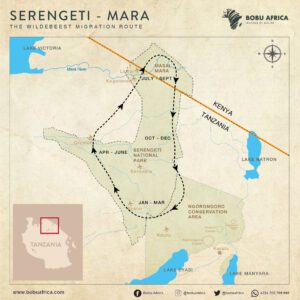
Each year, more than 1.5 million wildebeest—with hundreds of thousands of zebras and gazelles—embark on a 1,250‑mile circuit across Kenya and Tanzania in search of fresh grazing and water. This vast moving spectacle, climaxing in dramatic Mara River crossings, is one of the planet’s largest remaining terrestrial migrations—and a guaranteed bucket‑list moment for any traveller.
2. Home to the Big Five and Beyond
The Serengeti supports all of Africa’s “Big Five”—lions, leopards, elephants, Cape buffalo and black rhinoceros—as well as cheetahs, spotted hyenas and more than 30,000 buffalo. With such diversity, every game drive delivers high‑impact sightings. No wonder Serengeti has attracted attention and become a favourite for many Wildlife documentaries from notable household names such as BBC, Nat Geo and more.
3. Unparalleled Wildlife Densities
Boasting of Largest Concentration of Herbivores, Serengeti has approximately 1.5 million wildebeest, 900,000 Thomson’s gazelles and 300,000 zebras, alongside five major predator species—including African wild dogs—ensuring thrills at every turn. Serengeti also has the highest concentration of carnivores especially all the big African cats such as Lions, Leopards, Cheetah and Spotted Hyena!
4. UNESCO World Heritage & Biosphere Reserve
Serengeti is one of the top listing UNESCO’s World Heritage Site as well as Man and Biosphere Reserve since 1982. The park’s 1.5 million hectares protect immense biodiversity and the iconic migration phenomenon. The UNESCO badge as a mark of outstanding universal value.
5. Breathtaking Landscapes: Endless Plains & Kopjes
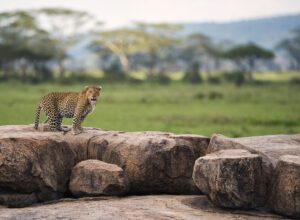
Serengeti’s vast grasslands—interrupted by rocky kopjes and ancient volcanic ash soils—offer a cinematic backdrop reminiscent of classic wildlife films
6. Rich Maasai Culture & Historical Sites
Explore traces of the Maasai, Sukuma, Kurya and Ikoma peoples through rock paintings, gong rocks and Ikoma ruins scattered throughout the park.
7. Birdwatcher’s Paradise
With over 530 recorded bird species—including European and Abdim’s storks, Eurasian roller and martial and fish eagles—the Serengeti ranks as an Important Bird Area and a must‑visit for avian enthusiasts. Some of the birds endemic or near endemic to Serengeti include: Fischer’s lovebird, Rufous tailed weaver, Greay-throated spurfowl, Schalow’s Wheat eater, Grey Chested helmet Shrike and the Usambiro Barbet
8. Year‑Round Safari with Ideal Climate
Serengeti’s subtropical highland climate features cool, dry months (June–October) and two rainy seasons: short rains (November–December) and long rains (March–May) Temperatures range from 12 °C at night to around 31 °C by day, ensuring comfortable wildlife viewing whatever the season
9. Diverse Activities & Exclusive Experiences
From pre‑dawn hot‑air balloon safaris over the plains to intimate walking safaris, photographic expeditions and bush‑side sundowners, the Serengeti offers a spectrum of experiences that cater to every traveler’s fantasy
10. Commitment to Conservation & Sustainable Tourism
As a sanctuary for endangered species—such as the critically endangered black rhino and African wild dog—the park’s management partners with NGOs and local communities to protect wildlife and habitats.
INFORMATION AND FACTS.
Quick Facts
- You can witness the wildebeest migration anytime of the year
- Serengeti National Park is the second largest park in Tanzania
- Serengeti is 10 times bigger than the Masai Mara
- Serengeti is both a World Biosphere Reserve and a World Heritage Site
- Largest Concentration of Herbivores
- Highest concentration of carnivores
- Over 530 recorded bird species
Activities in Serengeti
- Hot Air Balloon Safari
- Game Viewing by Vehicles
- Bushmeals
- Walking Safaris
- Picnic Areas
Getting There
By Road: Naabi Hill, Seronera, Ndutu, Kusini, Kirawira, Handajega, Ikoma, Tabora B, Lamai, Lobo, Ndabaka, Machochwe and Kleins.
By Air. All weather airstrips in the center of the park (Seronera), in the South (Kusini), in the East (Lobo), in the West (Kirawira) and in the North (Kogatende & Lamai). There are scheduled and private charters from Arusha, Mwanza, Kilimanjaro, Musoma, Dar es salaam and Zanzibar.
Plan Your Serengeti Safari Today
Ready to witness nature’s greatest show on earth? Enquire now to customize your Serengeti adventure—complete with expert guides, luxury lodges and tailor‑made itineraries that guarantee the trip of a lifetime.
Price
No of Pax:
Price* USD per Person Sharing: $0
Children 7-12 years in a group of 5: $
Our Rates Are Per Person Sharing Unless We Note Differently
- Please treat all pricing as a guide only:
- All rates are subject to availability and may change without notice.
- Single supplements may apply.
- Request a quote or speak to one of our African Safari Experts for the best, most current rates available.
Includes
Excludes
Share


ITINERARY

4.9/5
Based on 45 Reviews