


The field reality behind slower safari planning
Travelers often arrive in East Africa with one instinct that sounds reasonable on paper. If Kenya has so many famous parks, then seeing more parks should produce more wildlife value. In actual field conditions, the opposite is often true. When too many destinations are compressed into one itinerary, wildlife quality drops because the best hours are lost to movement. In our 15 years of field operation across East Africa, we see this mistake most often in otherwise well-funded trips. Guests book excellent camps, private vehicles, and strong flight connections, but still return feeling they were always chasing the next location. They saw plenty, yet many days felt rushed rather than immersive.
In real safari planning, slower usually means fewer transfers and more repeated high-quality sessions in productive zones. That is the central reason slower safari days in Kenya often deliver better wildlife outcomes. A strong safari is not defined by one dramatic sighting, but by repeated high-quality field sessions. One transfer day often costs two prime wildlife windows. Three nights usually means six prime field sessions.
These simple numbers matter because most wildlife activity that travelers value most happens near dawn and late afternoon. If those windows are repeatedly consumed by roads, flights, check-ins, or repacking, the itinerary may look impressive but performs below potential.
At Bobu Africa, we usually treat three nights in one major ecosystem as the practical baseline for meaningful wildlife consistency in Kenya.
Why dawn and dusk matter more than itinerary length
Animals do not perform on travel schedule. They move on temperature, prey movement, pressure, and local conditions. In many Kenyan ecosystems, early morning and late afternoon repeatedly produce the most useful combination of activity, light, and comfort.
When planning is rushed, travelers often lose these windows in three common ways.
- Long transfer starts that begin before dawn and end after lunch
- Mid-itinerary moves that convert full game-drive days into transit days
- Arrival and departure timing that leaves only one effective session per day
A ten-day safari with poor window protection can underperform a seven-day safari with excellent session protection. That is not theory. It is daily field arithmetic.
The hidden value of repeated territory access
A slower safari allows guides and travelers to return to the same territories over multiple sessions. This creates pattern recognition.
- Where a lion pride tends to settle after night movement
- Where cheetahs are likely to use open vantage lines
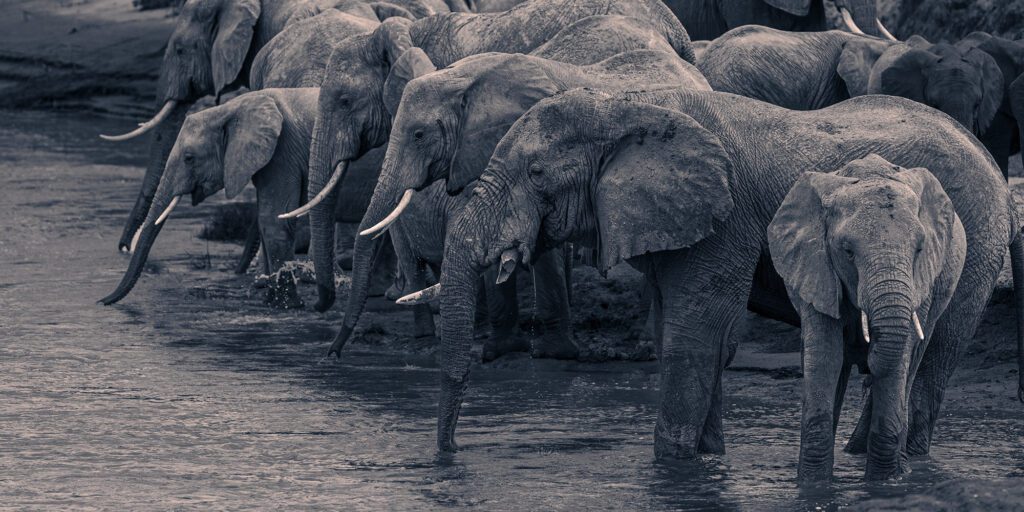
- Which elephant families are crossing between marsh and dry zones
- How weather shifts alter behavior in specific corners of a conservancy
Fast itineraries treat each day as a fresh start. Slower itineraries build cumulative intelligence. That compounding effect is one of the most overlooked advantages in Kenya safari design.
For photographers, repeated access is less about headline spectacle and more about full-trip consistency. For non-photographers, it creates deeper narrative memory instead of disconnected highlights.
Kenya ecosystems where slower pacing pays off most
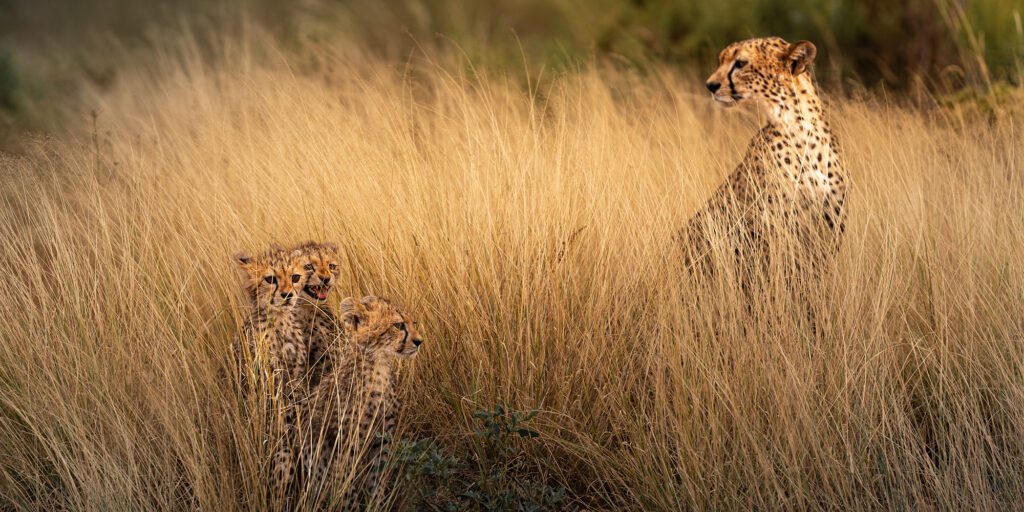
Maasai Mara (Kenya)
Mara rewards repeated sessions more than quick pass-through visits. Predator territories, river edges, and open plains all shift with weather and prey movement. In the Mara ecosystem, location matters more than room glamour when field hours are limited.
A slower Mara plan usually means:
- Three to four nights minimum in one strong base
- Optional split between reserve and conservancy for contrast
- Dedicated dawn and afternoon sessions with minimal mid-trip movement
This structure often produces better cat encounters, cleaner viewing conditions, and reduced emotional pressure to force sightings.
Amboseli (Kenya)
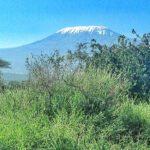
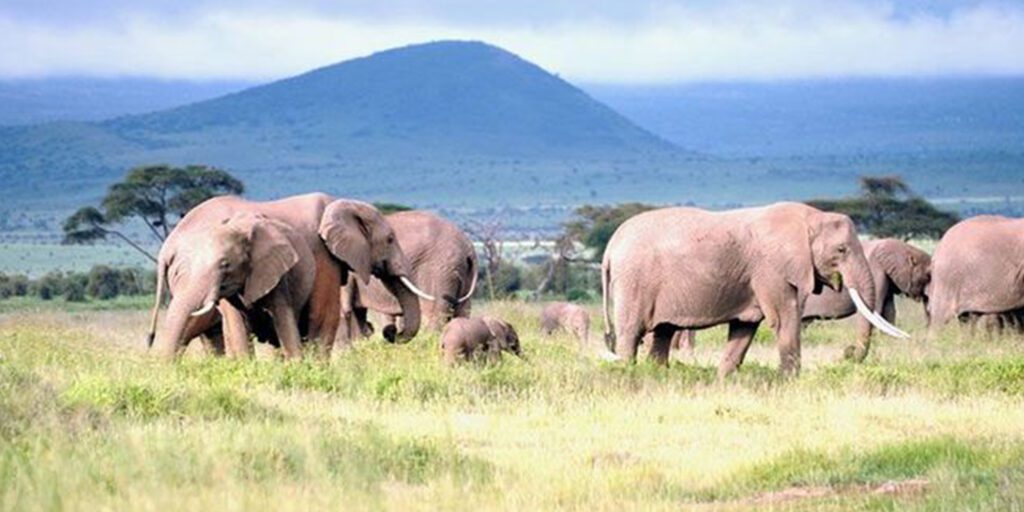
Amboseli is famous for elephants and mountain atmosphere, but image and viewing quality depends heavily on timing and visibility windows. A rushed one-night stop can miss both mountain reveal and key elephant movement.
A slower Amboseli plan gives:
- Multiple attempts at clear early mountain conditions
- Better use of marsh edge sessions
- Time for both broad landscapes and close family-group elephant observation
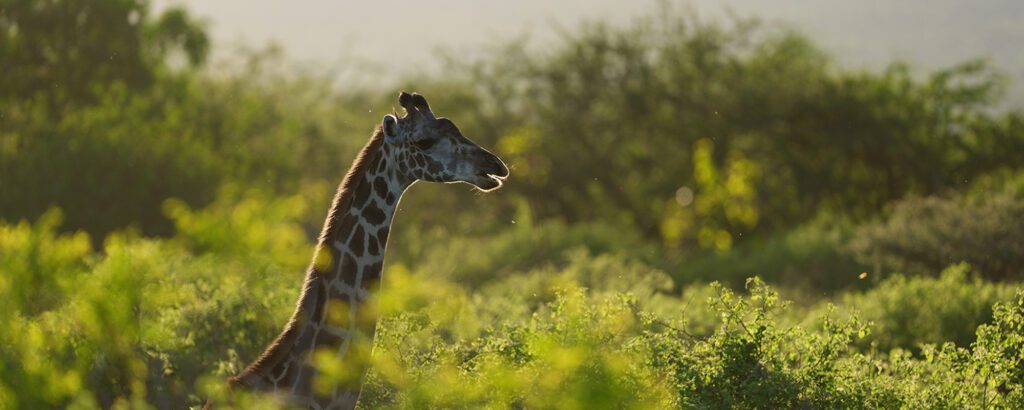
Samburu (Kenya)
Samburu and nearby northern conservancies can deliver distinctive species and dry-country character, but the area rewards patience and early starts. Heat and distance can reduce midday performance.
Slower routing in Samburu allows:
- Focused dawn sessions before temperature rise
- Habitat-specific scanning for northern specialists
- Lower fatigue from fewer long road jumps
Rift Valley lake systems
Lake Naivasha, Lake Nakuru, and connected habitats offer strong mixed wildlife and birding potential. Fast itineraries often treat these as brief scenic stops. Slower planning treats them as ecological transitions with real field value.
The transfer trade-off most travelers underestimate
Trade-off logic should be explicit.
More locations can increase ecosystem variety, but each added move usually decreases session depth and raises fatigue. Fewer locations reduce map coverage, but increase repeated access, guide continuity, and quality windows.
In practical terms:
- Adding one extra destination in a short trip may cost two to four prime sessions
- Removing one destination can recover those sessions and improve overall outcomes
If your trip goal is quality wildlife days, session recovery usually wins over extra map pins.
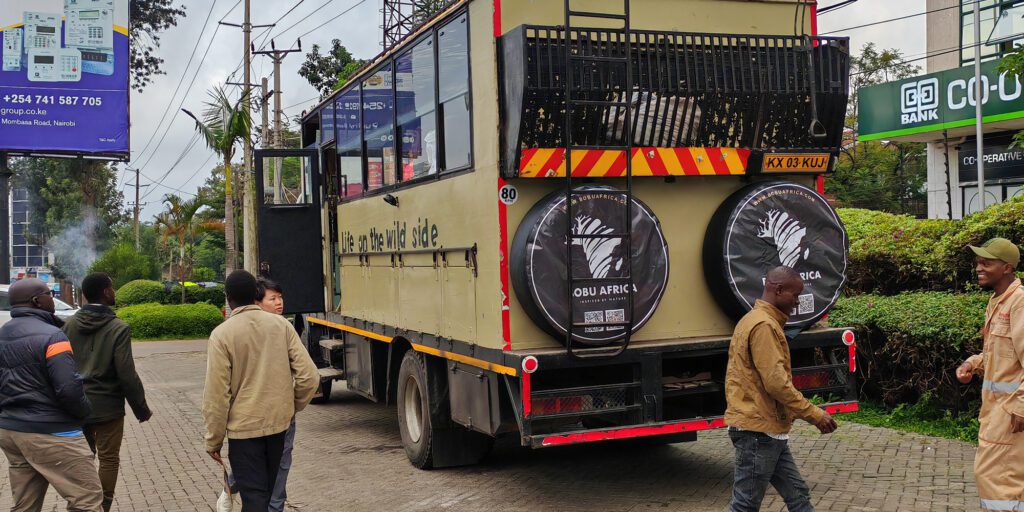
Guide continuity and slower safari performance
Slower itineraries improve guide effectiveness because continuity grows field intelligence. A guide who works with the same guests over several days can calibrate communication style, pace, and target priorities.
That creates better decisions in real time.
- when to hold position and wait
- when to reposition for better angle or activity
- when to shift objective from predators to elephants, birds, or landscape context
- when guests need rest versus when to extend a productive session
Frequent transfers and guide changes break this learning loop. Slower pacing strengthens it.
Wildlife photographers and slower planning
Photographers often feel this difference most clearly. A quick circuit can produce good records, but slower plans produce coherent portfolios.
Why slower works for photographers:
- More chances in varied light and weather
- Less pressure to shoot every sighting at any cost
- Better opportunities for clean backgrounds and positioning
- Time to build narrative beyond isolated action
A practical baseline for photography-led Kenya trips is four nights in one primary ecosystem, plus a secondary ecosystem only if transfers remain efficient.
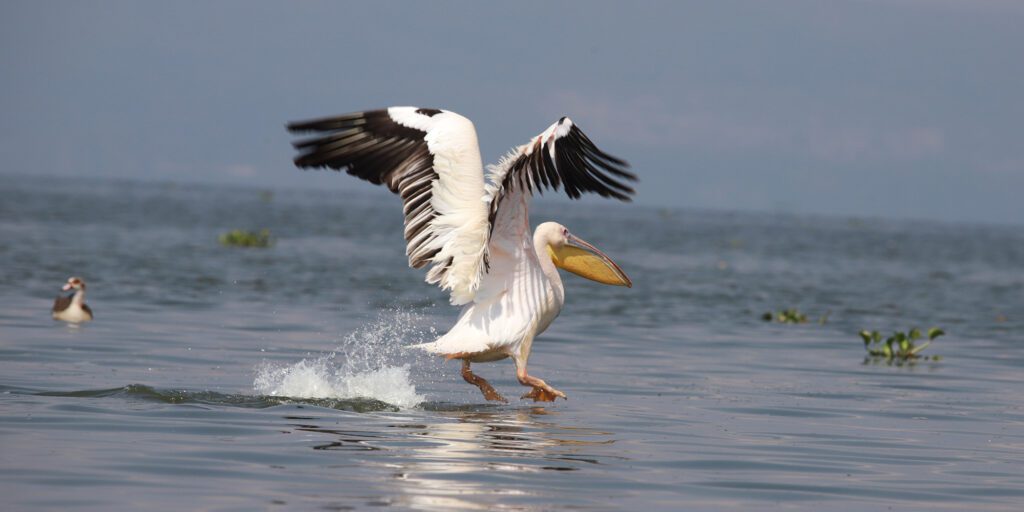
Birders and slower planning
Birders benefit from repeated habitat access and timing discipline. Species lists can be long in Kenya, but detection quality improves when sessions are not rushed.
Slower birding gains include:
- Stronger dawn listening and visual detection windows
- Better habitat-specific search patterns
- Improved opportunity for return attempts on missed targets
For mixed wildlife and birding goals, slower routing is usually the only way to keep both priorities strong without fatigue overload.
Families and mixed-interest groups
Families and mixed groups often assume fast itineraries reduce boredom. In the field, excessive moving usually creates the opposite effect. Children and non-specialist travelers lose engagement when days become airports, roads, and check-ins.
Slower structure improves group outcomes because:
- mornings deliver strong wildlife with less rush
- midday rest protects energy
- afternoons can be tailored to group mood
- fewer repack cycles reduce friction
For mixed groups, three to four nights in a key area often performs better than one-night strings across multiple parks.
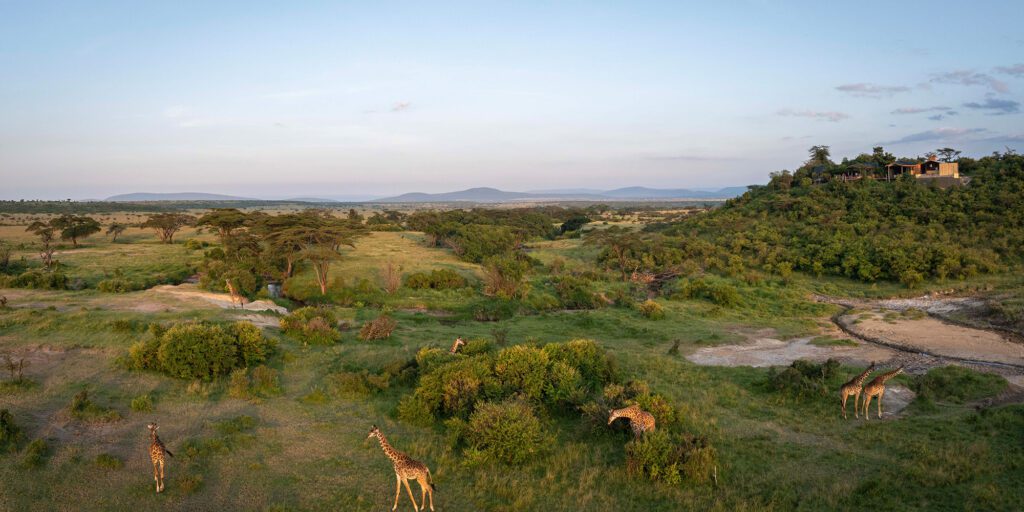
A practical planning framework you can apply
Step 1: count prime sessions first
Before counting nights, count likely dawn and dusk sessions. If a trip has fewer than six prime sessions in its main ecosystem, quality risk is high.
Step 2: map transfer cost honestly
Mark each transfer day and identify which wildlife windows are lost. If more than two transfer days occur in a seven to nine day trip, simplify route.
Step 3: set ecosystem priority
Choose one primary ecosystem where you will stay longest. This becomes your quality anchor.
Step 4: add contrast only if efficient
A secondary ecosystem should add clear function, not just a famous name.
Examples:
- Mara for predator density plus Amboseli for elephant landscape contrast
- Samburu for northern dry-country specialists plus Mara for broad savanna depth
Step 5: protect split-day rhythm
Use dawn session, midday recovery, and afternoon session as default structure. This protects both wildlife quality and traveler stamina.
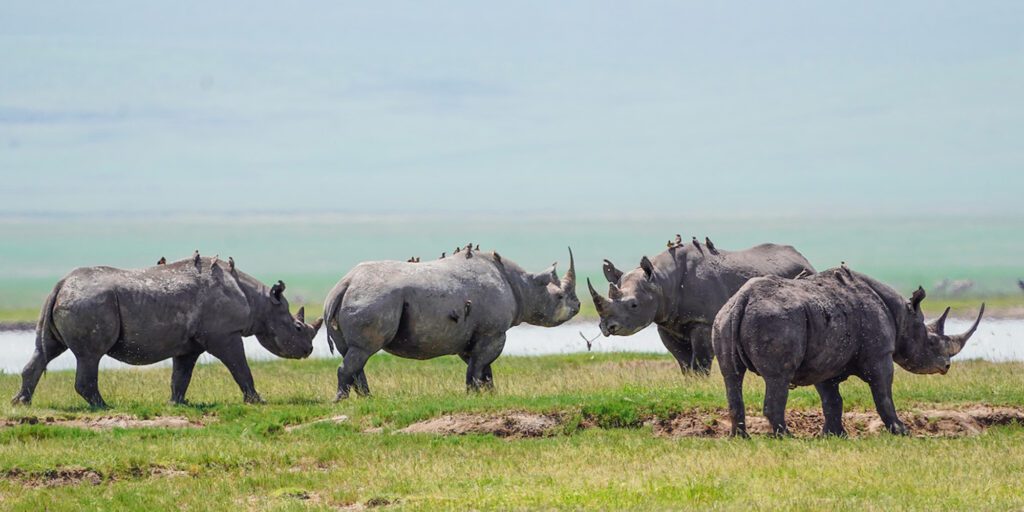
What slower safari is not:
Slower safari is not passive travel. It is not sitting at camp all day. It is not avoiding ambition.
In field terms, slower is active and intentional. You still wake early. You still track actively. You still adjust to conditions. The difference is that your energy and timing are invested where returns are highest.
That is why slower often feels richer rather than smaller.
Common mistakes and field corrections
- Mistake 1: overpacking iconic names
- Correction: Keep one primary ecosystem at three to four nights minimum, then add one contrast area if timing remains clean.
- Mistake 2: Accepting late arrivals and early departures everywhere
- Correction: Prioritize schedules that preserve first afternoon and last morning sessions whenever possible.
- Mistake 3: upgrading rooms instead of nights
Correction: When budget is limited, add one extra night in productive area before upgrading non-essential room category. - Mistake 4: treating guide as transport only
- Correction: Assign guide profile to traveler goals and maintain continuity across core sessions.
- Mistake 5: ignoring midday strategy
- Correction: Use midday for rest, review, and tactical reset so afternoon sessions stay sharp.
A seven-night slower safari model in Kenya
This model is illustrative, not fixed.
- Day 1 arrival and recovery near gateway city
- Day 2 transfer to primary ecosystem and afternoon drive
- Day 3 full split-day sessions
- Day 4 full split-day sessions
- Day 5 final morning in primary area, then efficient transfer to contrast ecosystem
- Day 6 full split-day sessions in second area
- Day 7 final morning field session and return logistics

Why this model works:
- Protects repeated sessions in one anchor ecosystem
- Limits transfer drag
- Keeps energy and attention high
- Supports both specialist and general-interest travelers
Geographic clarity for route function
When choosing pace in Kenya, connect location to function.
- Maasai Mara (Kenya) for repeated predator and open plains sessions
- Amboseli (Kenya) for elephant landscape and mountain-timing windows
- Samburu (Kenya) for arid north contrast and specialist opportunities
- Rift Valley lake systems for habitat transition and birding depth
Place names are useful only when linked to objective. This avoids keyword-heavy planning and improves real outcomes.
The premium traveler perspective
Premium guests often ask whether slower pacing reduces exclusivity or adventure. In practice, slower plans usually improve both quality and comfort.
Benefits include:
- Lower logistical friction
- Better guide continuity
- More field flexibility when conditions change
- Less pressure to manufacture moments
At Bobu Africa, we usually package slower safari as a professional creative solution rather than a generic product. The aim is not fewer experiences. The aim is higher-caliber experiences delivered at the right times.
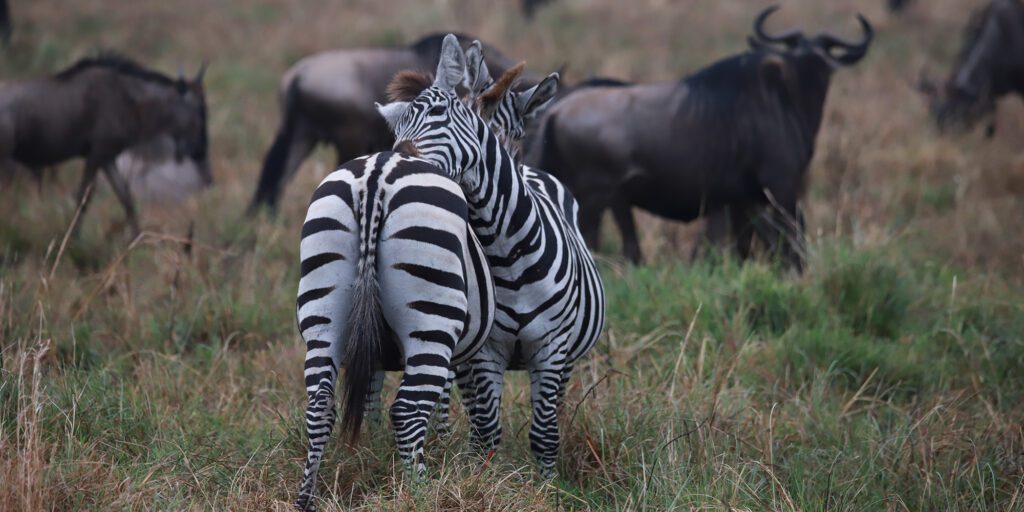
Why does a slower safari often deliver better wildlife days in Kenya?
Because wildlife quality depends on protected field windows, repeated territory access, and guide continuity, while fast itineraries sacrifice those advantages to transfer volume.
In real safari planning, slower usually means higher signal and lower noise. You lose little that matters and gain the sessions that matter most.
If your goal is strong wildlife days rather than rushed map coverage, slow down the route, protect dawn and dusk, and let each ecosystem reveal itself over repeated sessions. That is where Kenya performs at its best.
FAQ
Q: How many nights should I stay in one Kenya safari area for better wildlife quality
A: Three nights is the practical baseline in most cases because it usually gives six prime field sessions. Four nights is often stronger for photographers, birders, and travelers who want deeper consistency.
Q: Does slower safari mean seeing fewer places and missing out
A: You may visit fewer locations, but you usually gain better wildlife days. The trade-off is less map coverage for higher-quality field sessions, lower transfer fatigue, and stronger guide continuity.
Plan Your Journey
If you are designing a Kenya safari and want stronger wildlife days without unnecessary rush, Bobu Africa can help you structure a slower, field-smart route that protects prime sessions, reduces transfer loss, and aligns each location with a clear purpose.