


The luxury misconception that shapes most first safari plans
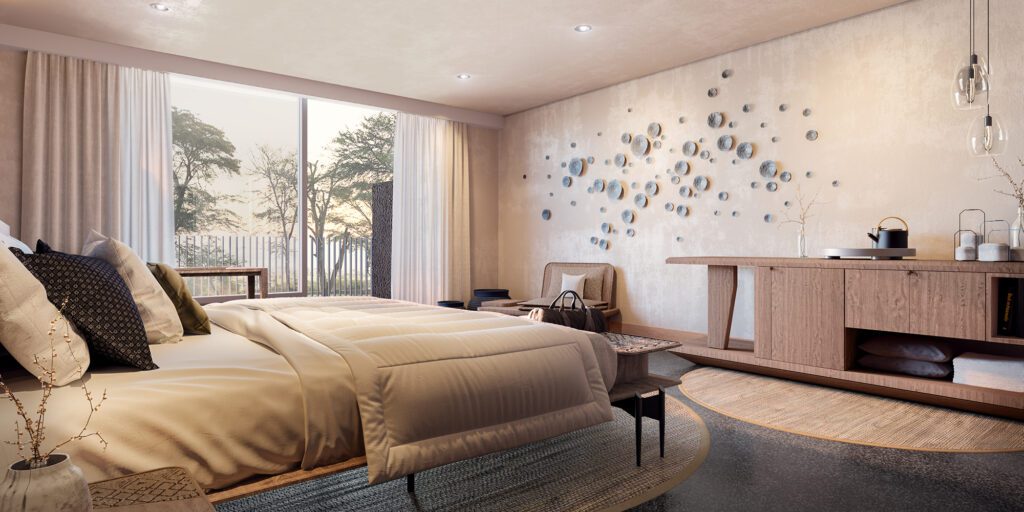
First-time safari travelers usually begin in a sensible place. They compare lodges by room photos, plunge pools, dining style, and brand reputation. None of that is wrong. Comfort matters, and beautiful properties can elevate a trip. The problem starts when visible comfort becomes the only definition of luxury.
In our 15 years of field operation across East Africa, we see this mistake most often in premium first-time itineraries. Guests book exceptional accommodation, then lose their best wildlife windows to transfers, late departures, and overpacked routing. They return saying the camps were beautiful but the safari felt rushed. That sentence describes a design issue, not a spending issue.
In field terms, safari luxury is less about visible opulence and more about invisible control of time, energy, and access. A strong safari is not defined by one dramatic sighting, but by repeated high-quality field sessions.
A clear definition you can use
In real safari planning, luxury usually means low-friction delivery of high-value field hours. It means less waiting for logistics and more readiness when nature opens.
At Bobu Africa, we usually treat three nights in one primary ecosystem as the practical baseline for premium safari consistency. Three nights usually means six prime field sessions.
That baseline matters because one transfer day often costs two prime wildlife windows. If your itinerary repeatedly spends those windows on movement, the trip can feel expensive but not luxurious.
Visible luxury versus invisible luxury
Visible luxury is easy to market.
– large suites
– premium linens
– curated wine lists
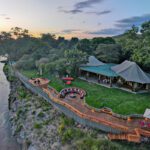
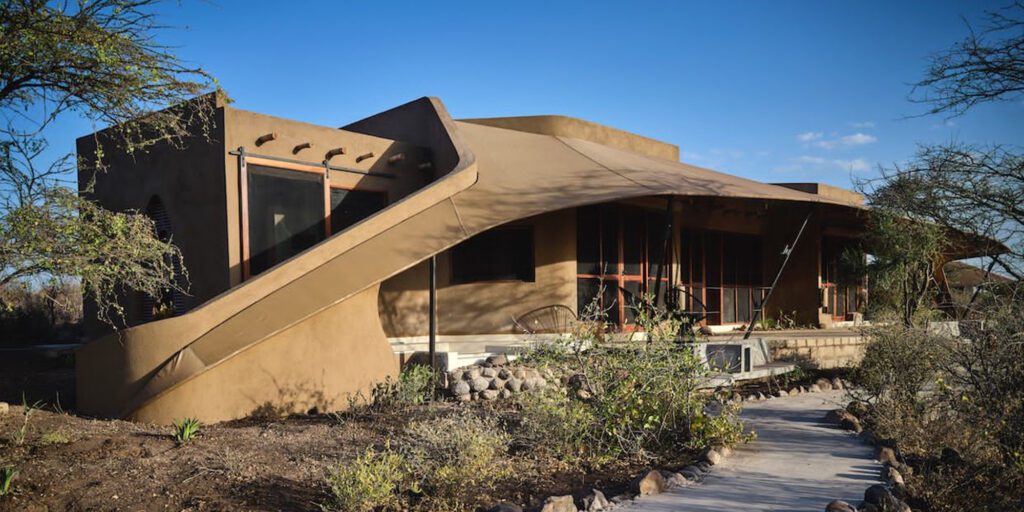
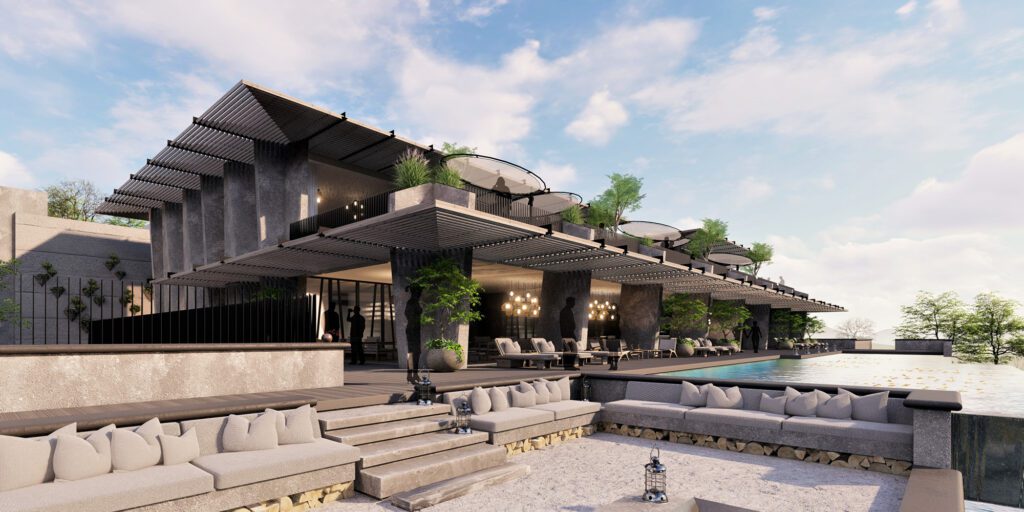
– polished architecture
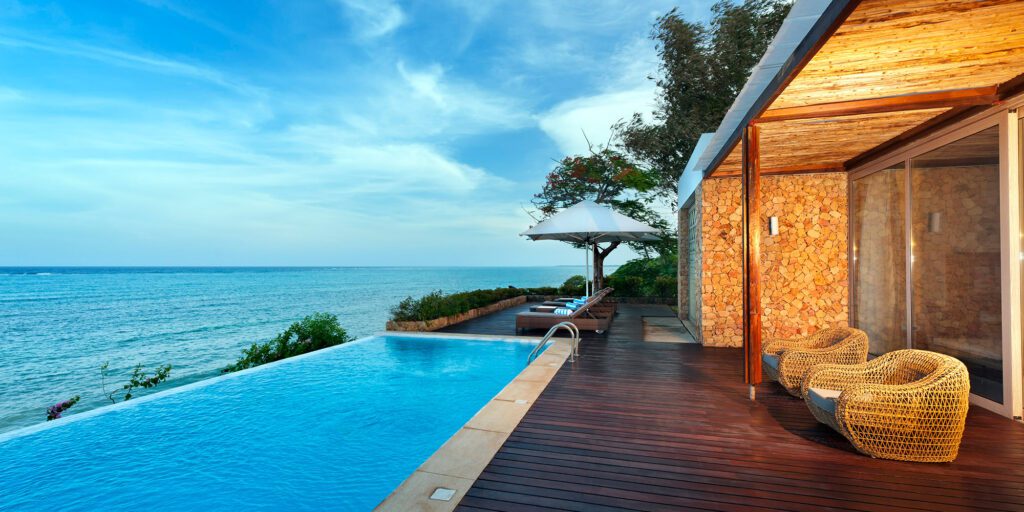
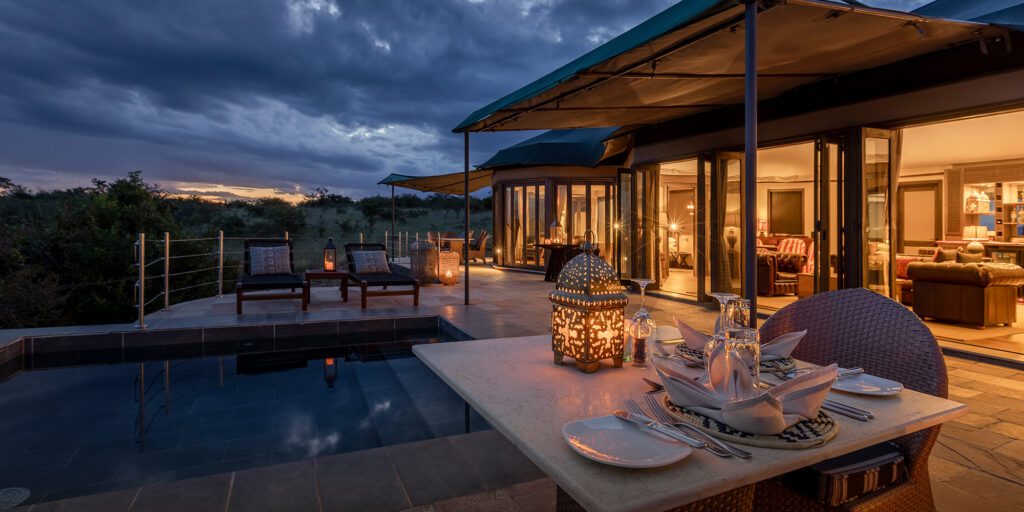
– private plunge pools
Invisible luxury is harder to photograph, but it is what seasoned safari travelers remember.
– departures that match first light
– guides who read weather and animal movement before it becomes obvious
– camp location that reduces wasted drive time
– smooth coordination between road, airstrip, and property teams
– enough nights to let a landscape reveal patterns
Trade-off logic is simple. Visible luxury increases comfort at camp. Invisible luxury increases quality in the field. The best premium safaris combine both, but if you must prioritize, field quality usually determines long-term satisfaction.
Why first-time travelers overweight room glamour
First safari planning is uncertain by nature. Travelers can easily compare rooms online, while guide quality and route architecture are harder to evaluate before arrival. So decisions drift toward what is easiest to see.
This is normal, but it can distort budget allocation.
A common premium pattern:
– two top-tier camps
– multiple ecosystem jumps
– long transfer days
– little continuity in guiding
On paper this feels elevated. In practice it often feels fragmented.
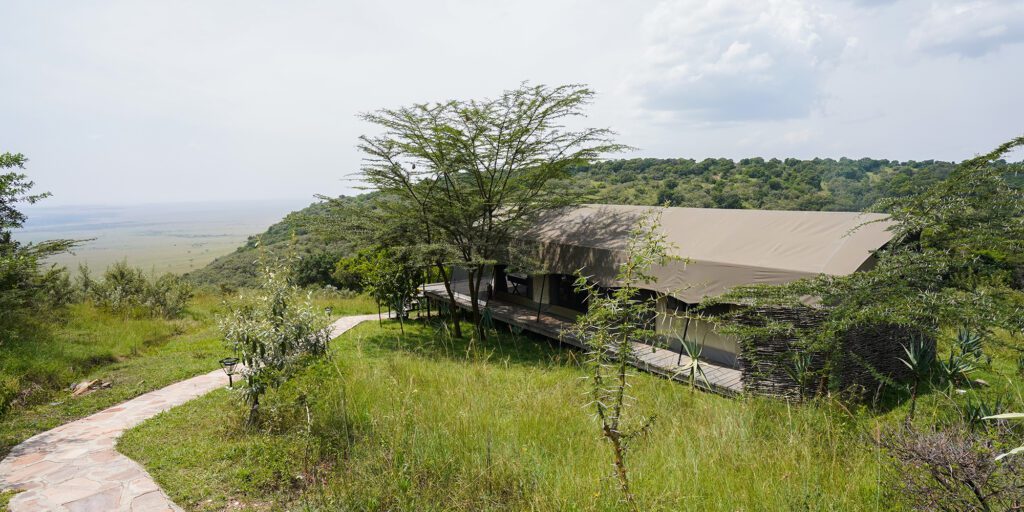
In the Mara ecosystem, location matters more than room glamour when field hours are limited. The same logic applies in Amboseli (Kenya), Samburu (Kenya), and Serengeti (Tanzania).
The five invisible pillars of safari luxury
1. Timing control
Luxury on safari starts with time discipline. If departures are late, vehicle positioning options narrow, light quality degrades, and activity windows shrink.
Premium timing control means:
– consistent early starts when needed
– tactical midday reset instead of random delays
– flexible afternoon departures based on conditions
It is not rigid military pacing. It is intentional pacing.
2. Transfer design
Transfer design is where many premium trips lose value. Too many moves create decision fatigue and reduce immersion.
One transfer day often costs two prime wildlife windows. That is the hidden expense almost nobody includes in budget comparisons.
A higher-quality approach:
– fewer ecosystem moves
– longer stays in productive zones
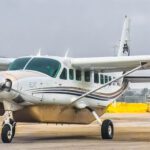
– strategic flights only where they protect key sessions
3. Guide continuity and fit
The best guide for one group is not always the best for another. Luxury-level planning includes guide matching, not just guide assignment.
For mixed groups, this includes:
– wildlife interpretation for non-photographers
– positioning discipline for photographers
– pacing intelligence for families and older travelers
Guide continuity over several sessions compounds value. A guide who learns your rhythm by day two can improve every decision from day three onward.
4. Camp location function
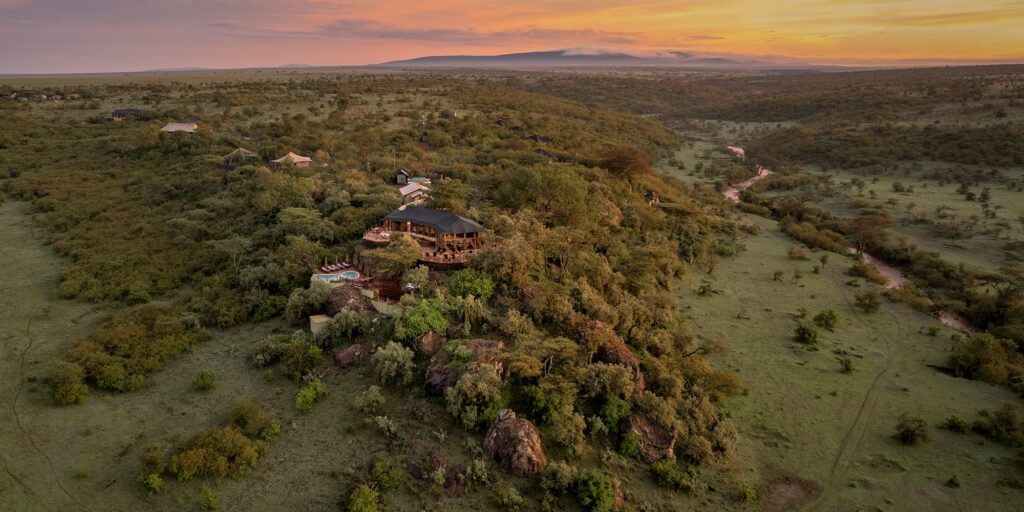
Two camps with similar price can perform very differently in the field based on location. A beautiful camp far from active zones can quietly cost you hours every day.
Functional location means:
– shorter access to productive sectors
– better flexibility when weather shifts
– less pressure to rush at the end of drives
5. Energy management
Luxury is also physiological. If guests are exhausted, safari quality drops regardless of budget.
Professional pacing includes:
– realistic driving durations
– proper meal and hydration rhythm
– room for rest between peak sessions
– fewer unnecessary repacking cycles
The trip should feel immersive, not relentless.
What this looks like in real East Africa routing
Maasai Mara (Kenya)
Mara can deliver world-class days, but only when routing protects field windows. A premium plan usually means three to four nights in one strong base, with optional reserve and conservancy balance if logistics are clean.
If every day starts with long access drives, room category cannot rescue outcome quality.
Amboseli (Kenya)
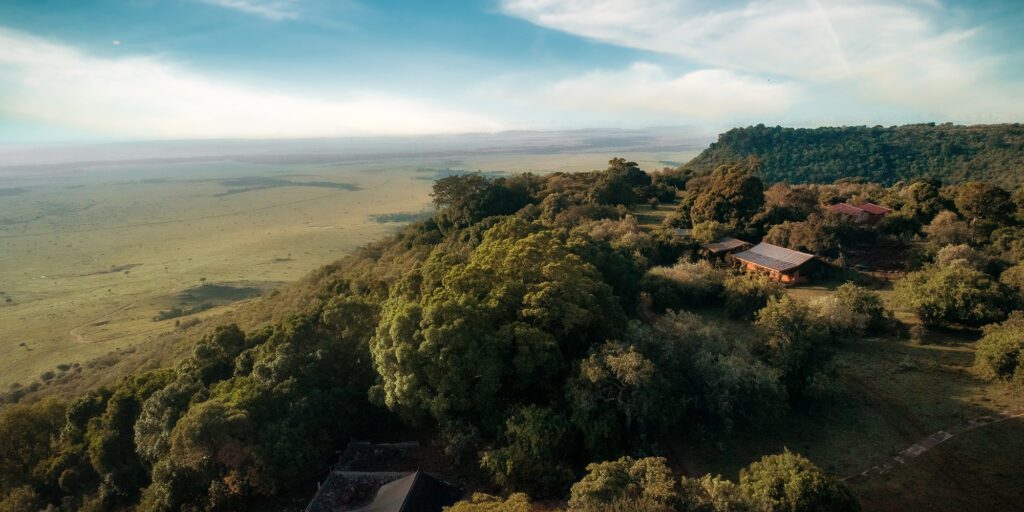
Amboseli is often chosen for elephant scale and mountain atmosphere. In premium design, dawn timing and access efficiency matter as much as lodge architecture because visibility and air quality windows can be short.
A one-night luxury stop often underperforms a three-night well-paced plan at a slightly lower room category.
Samburu (Kenya)
Samburu adds dry-country contrast and specialist value. Premium comfort here depends heavily on transfer logic and midday heat management. A slower pace with clear morning priorities produces better experiences than high-speed coverage.
Serengeti (Tanzania) and Ndutu (Tanzania)
In Tanzania circuits, visual scale is immense, but distances can be deceptive. Premium value rises when guests spend enough nights per zone to build continuity rather than moving every day.
For photographers, this is less about headline spectacle and more about full-trip consistency.
Budget allocation that actually improves luxury
When budget is finite, premium travelers should prioritize in this order.
1. Guide quality and continuity
2. Camp location relative to target field zones
3. Night count in primary ecosystem
4. Transfer efficiency
5. Room category upgrades and non-essential extras
This does not mean skip comfort. It means fund the elements that produce better days first.
A practical rule:
If choosing between one extra night in your primary ecosystem and a room-category jump, the extra night often delivers greater safari value.
The emotional difference between expensive and luxurious
An expensive safari can still feel tense. A luxurious safari usually feels calm. That calm comes from confident systems.
– airport handoffs that are smooth
– guides who are briefed before arrival
– realistic daily plans with room for adaptation
– no constant sense of being late
This is why experienced travelers often describe great safaris using words like flow, ease, and rhythm, not only opulence.
Practical thresholds for first-time premium travelers
If this is your first safari, use these baseline thresholds.
– at least three nights in one key ecosystem
– no more than two major ecosystem bases in a seven to nine safari-day trip
– at least six prime field sessions in your primary zone
– minimal same-day transfer and full-drive combinations
These thresholds are not rigid laws, but they prevent the most common design failures.
Trade-off examples you can decide quickly
Trade-off 1
Option A: three luxury camps in three ecosystems over six nights
Option B: two excellent camps over six nights with stronger guide continuity and lower transfer load
For most travelers, Option B feels more luxurious in real use.
Trade-off 2
Option A: top suite category with short stay
Option B: one room category lower with one extra night in primary ecosystem
For wildlife quality and emotional satisfaction, Option B often wins.
Trade-off 3
Option A: road-heavy route to reduce internal flight cost
Option B: one strategic flight that protects dawn and dusk sessions
If budget allows, Option B can materially improve field value.
How photographers and non-photographers both benefit
Invisible luxury is not only for serious shooters. It improves experience for everyone.
Photographers gain:
– cleaner timing windows
– better positioning options
– repeated access for story depth
Non-photographers gain:
– less waiting stress
– better interpretation flow
– more memorable, less rushed sightings
Families gain:
– lower fatigue
– better mood stability
– fewer transition disruptions
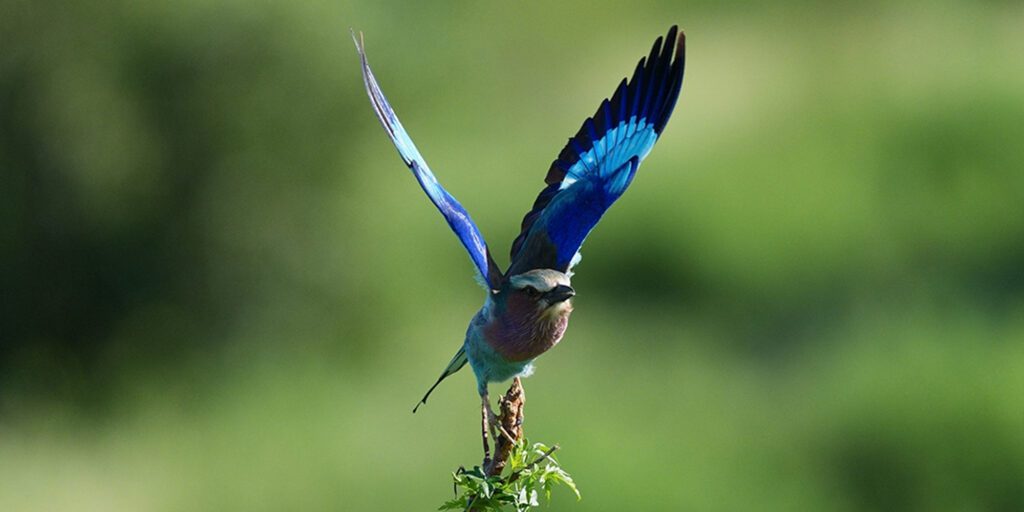
Birders gain:
– more usable dawn windows
– habitat-specific focus sessions
– less transfer-driven species loss
Signals that your itinerary is overdesigned and underperforming
Watch for these warning signs before booking.
– more than two major moves in a seven to nine safari-day trip
– repeated loss of dawn or dusk to transfers
– no confirmed guide profile matching your goals
– camp selection based only on room photos
– no time buffer around internal logistics
If two or more of these appear, luxury may be visible but not functional.
Questions to ask your planner before paying
– How many prime field sessions do we have in each ecosystem
– Which transfer days remove dawn or dusk windows
– Why is this camp location better for our goals than nearby alternatives
– How is guide continuity handled across the trip
– Where can we simplify route without reducing overall quality
Clear answers to these questions usually indicate strong itinerary craft.
A practical example of a luxury-first field design
For an eight-night Kenya safari, a high-performing structure might be:
– Night 1 gateway recovery and briefing
– Nights 2 to 5 primary ecosystem such as Maasai Mara (Kenya)
– Nights 6 to 8 contrast ecosystem such as Amboseli (Kenya) or Samburu (Kenya), depending on priorities
Why this works:
– repeated access in one anchor ecosystem
– enough contrast without transfer overload
– sustained guide effectiveness
– stronger chance of six to eight high-quality sessions
This framework can be adapted to Tanzania equivalents such as Serengeti (Tanzania) plus Ngorongoro-adjacent structure, but the pacing principle stays constant.
What luxury feels like at the end of the trip
At the end of a well-designed safari, travelers rarely say the best part was thread count. They talk about the lioness they watched over two mornings, the elephant family crossing in perfect side light, the guide who anticipated movement before anyone else, and the calm feeling of never being rushed at the wrong moment.
That is the outcome to plan for.
Luxury on safari is not only what you can photograph in the room. It is what you can feel in the day.
Final answer
What makes a safari feel luxurious is not always what first-time travelers think because visible comfort is only one layer. The deeper layer is invisible design: timing control, reduced transfer loss, guide continuity, functional camp location, and enough nights to produce repeated high-quality sessions.
If you build those foundations first, the visible comforts become amplifiers rather than distractions. The result is not only a premium trip on paper. It is a premium experience in the field.
FAQ
Q: If I have a premium budget, should I prioritize room upgrades or more nights in one ecosystem
A: In most cases, add nights first. Three to four nights in a primary ecosystem usually improves wildlife quality and overall trip feel more than a room-category jump with a rushed schedule.
Q: How can I tell if a safari itinerary is truly luxury-focused in field terms
A: Look for protected dawn and dusk sessions, limited transfer drag, confirmed guide quality and continuity, and camp locations chosen for access function. These factors are stronger indicators than property branding alone.
Plan Your Journey
If you are shaping a premium East Africa safari, Bobu Africa can help you design the invisible luxury layer first, with clear pacing, guide alignment, and location logic, so your trip feels calm, immersive, and consistently strong in the field.