

Why this mistake is so common even in premium trips?
Almost every first draft safari itinerary has the same visual appeal. Multiple famous places, multiple beautiful camps, and a sense that each day will deliver a fresh chapter. On paper it looks dynamic and high value. In the field it often feels rushed by day three.
Travelers start noticing small signs first. More time in vehicles between camps and airstrips. Fewer complete game drives. Less patience at sightings because everyone feels the clock. More logistical conversations and fewer deep wildlife sessions. The itinerary still looks impressive, yet the trip quality starts thinning.
In our 15 years of field operation across East Africa, we see this mistake most often when travelers optimize for map coverage and property variety instead of field output. The camps are excellent. The destinations are excellent. The route architecture is the problem.
A clear definition that changes planning decisions
In real safari planning, frequent camp changes usually mean fewer prime wildlife sessions, lower guide continuity, and higher fatigue.
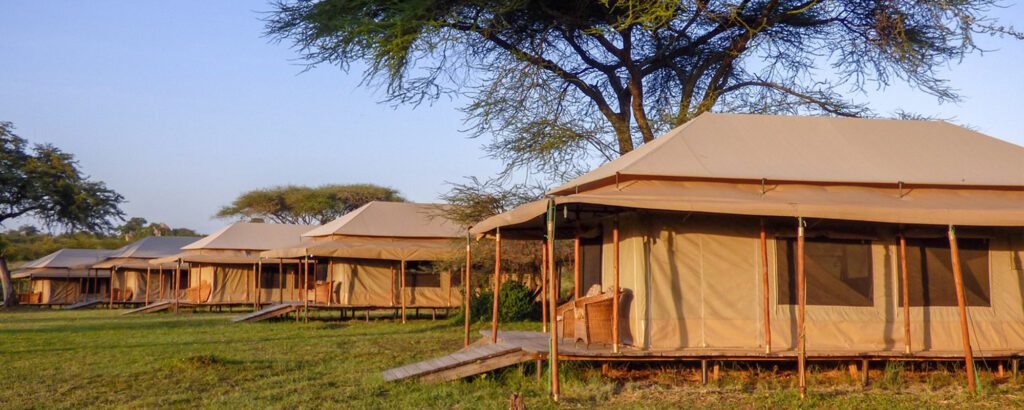
Photo credit: Matira Bush Camp
At Bobu Africa, we usually treat three nights in one primary ecosystem as the practical baseline for reliable safari quality. Three nights usually means six prime field sessions. One transfer day often costs two prime wildlife windows.
Those two lines explain most underperforming itineraries.
What is the real cost of changing camps too often
The cost is not only transfer fees or baggage handling. The biggest cost is opportunity loss in the best hours of the day.
Prime windows in East Africa are usually dawn and late afternoon. These are the periods when temperature, movement, and light often align for strong wildlife outcomes. Camp-hopping repeatedly consumes those windows.
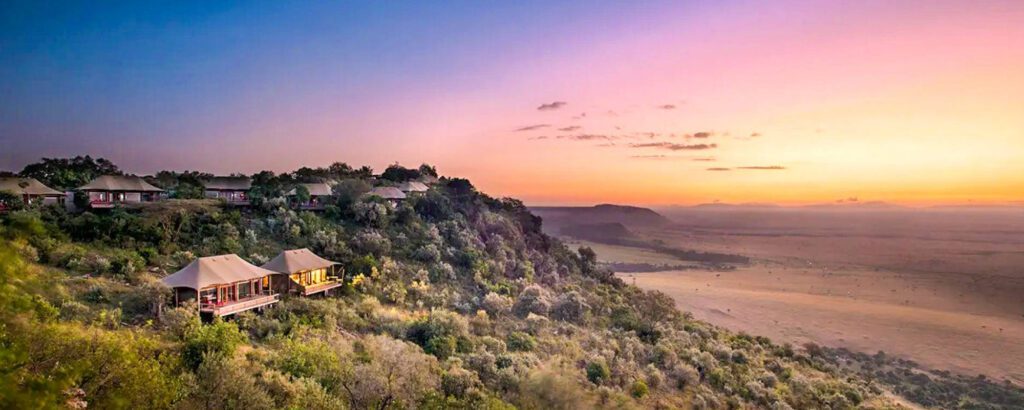
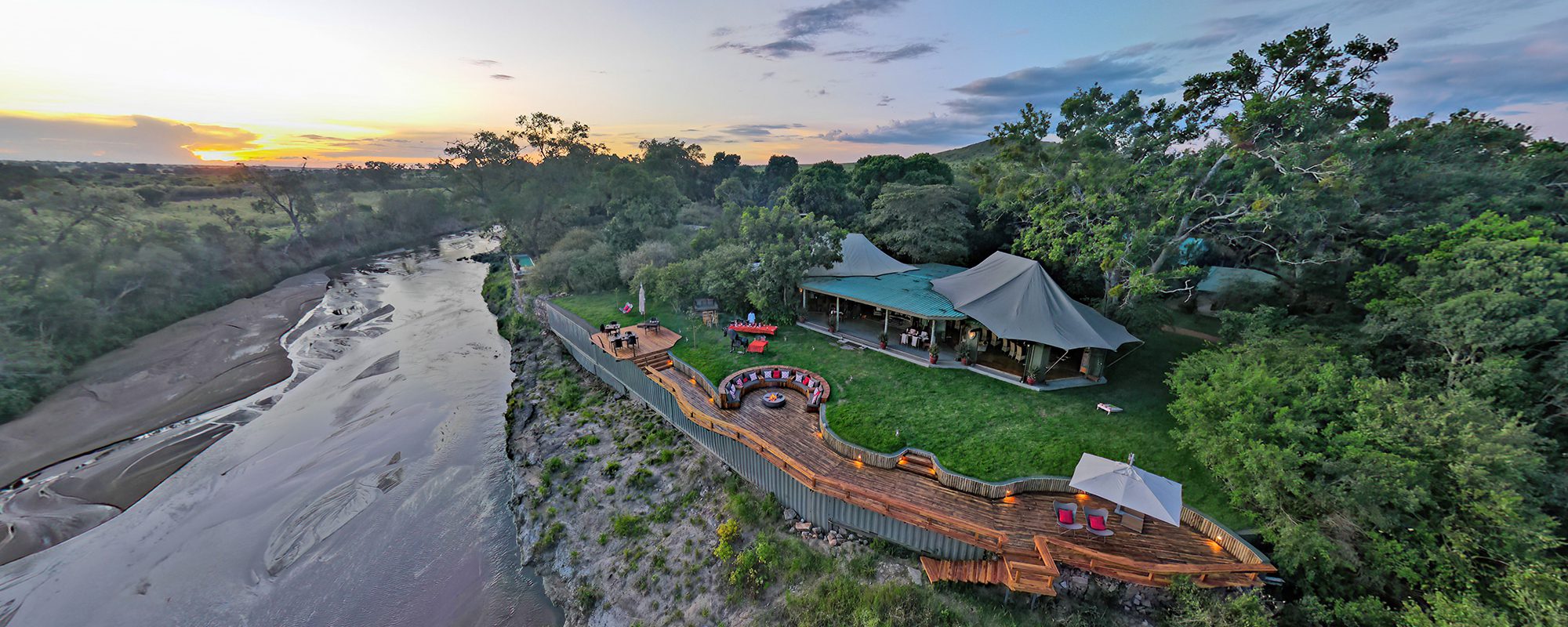
Photo credit: Angama Mara
A transfer day may look short in a spreadsheet, but in practice it includes:
– check-out timing pressure
– road or flight positioning buffers
– luggage and weight coordination
– arrival briefing and room settlement
– mental reset in a new landscape
By the time this cycle is complete, one or both prime sessions are often gone.
The arithmetic travelers should run before confirming an itinerary
If a nine-day safari includes three heavy transfer days, you may lose four to six prime sessions. That is not a small adjustment. That can reduce the trip from high-performance to average, even with top camps.
A useful planning equation:
– Count total dawn and dusk windows in the itinerary
– Subtract windows affected by transfers
– Subtract windows likely diluted by late arrival or early departure
– Compare what remains against your goals
A strong safari is not defined by one dramatic sighting, but by repeated high-quality field sessions. If repeated sessions disappear, quality usually drops regardless of budget.
Why camp-hopping feels good during planning but weak in execution
Camp-hopping creates the impression of momentum. You feel like you are maximizing every day. This is psychologically satisfying during planning because variety is visible and measurable.
Field quality is less visible. You cannot see in advance how a delayed transfer affects patience at a lion sighting, or how one short night affects tracking focus at dawn, or how new terrain each day slows guide calibration.

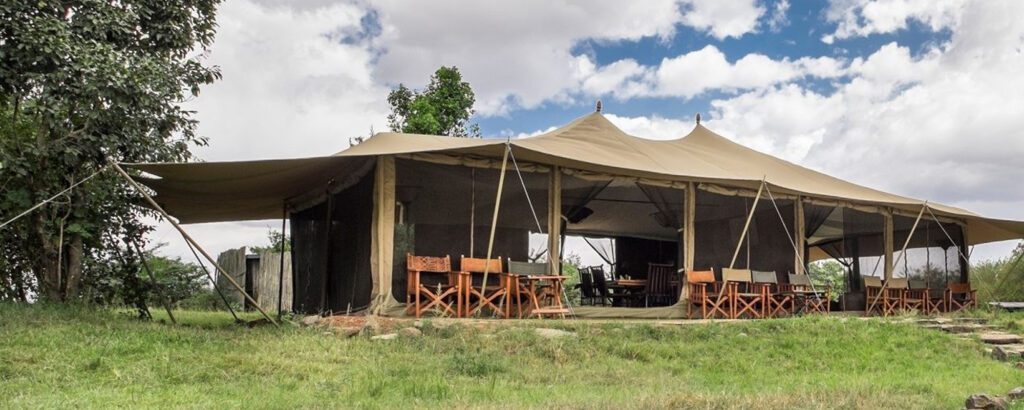
Photo credit: Mara Serena
Trade-off logic is simple. More camps increase novelty. Fewer camps increase depth. For most travelers, depth delivers better wildlife outcomes.
Guide continuity loss is a major hidden cost
Frequent camp changes often break guide continuity or reduce guide learning time. Even when the same guide continues, repeated logistical resets reduce strategic depth.
Guide continuity matters because:
– the guide learns your pace and priorities
– you learn how the guide reads land and movement
– decisions improve with each shared session
– communication becomes faster and cleaner
When this loop is reset too often, you lose compound intelligence. That intelligence is often the difference between random sightings and coherent wildlife days.
For photographers, this is less about headline spectacle and more about full-trip consistency.
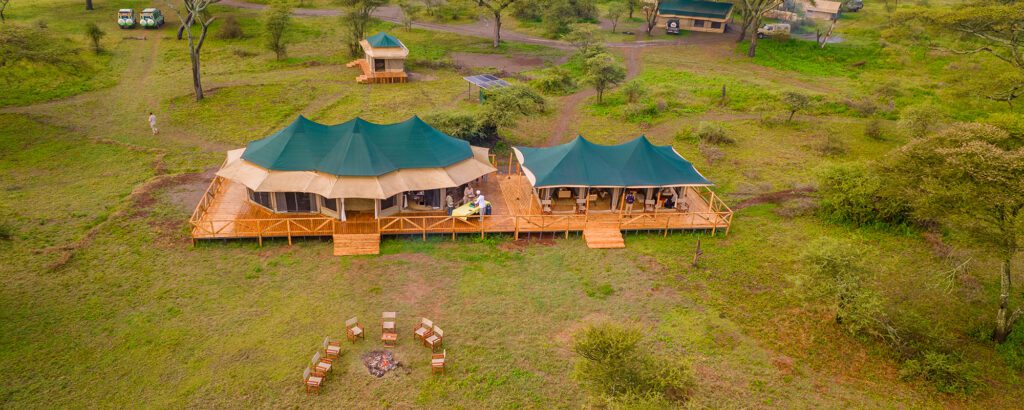
Photo credit: Enkutoto Migration Camp
Camp changes and fatigue accumulation
Most travelers underestimate cumulative fatigue because no single transfer seems catastrophic. The damage is incremental.
– earlier wake-ups for transfer days
– more packing and unpacking cycles
– more decision noise and coordination
– less recovery between sessions
– reduced concentration at critical moments
By day five, the group may still be enthusiastic, but reaction speed and observation quality often decline. This is exactly when a slower route would start compounding returns.
Geography examples where camp-hopping penalties are highest
Maasai Mara ecosystem (Kenya)
Mara can absorb longer stays extremely well because repeated sessions reveal territorial patterns and movement timing. Splitting short stays across too many Mara-area camps often reduces this advantage.
In the Mara ecosystem, location matters more than room glamour when field hours are limited.
Amboseli (Kenya)
Amboseli rewards timing and atmospheric patience. One-night or two-camp quick transitions can miss key mountain and elephant movement windows. A stable base for multiple sessions usually performs better.
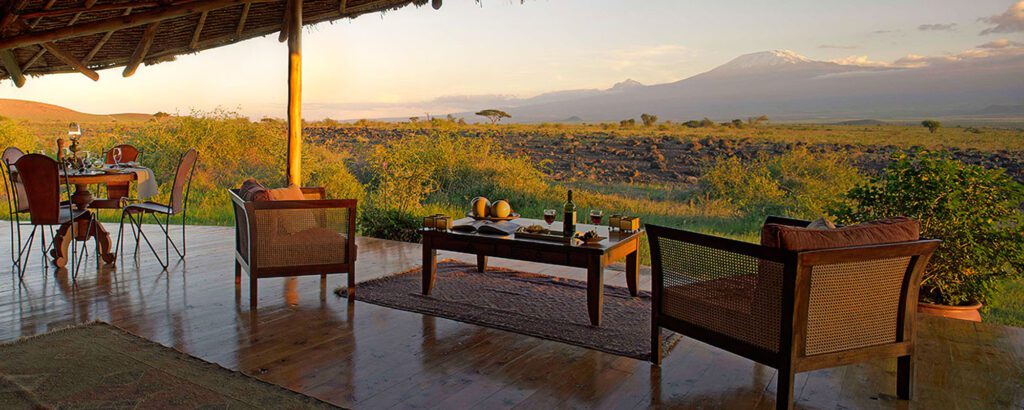
Photo credit: Tortilis Camp
Samburu (Kenya)
Samburu has strong specialist value, but transfer-heavy routing into and out of the north can quickly consume high-value windows. If Samburu is included, give it enough nights to justify the move.
Serengeti sectors (Tanzania)
Serengeti scale invites over-splitting. Too many sector changes can create a trip that looks comprehensive but feels fragmented. Better to choose fewer sectors and work them well.
Ndutu (Tanzania)
In seasonal windows, Ndutu benefits from patience and repetition. Rapid movement to chase perceived hotspots often creates shallow results and unstable daily quality.
The premium traveler misunderstanding
Many premium travelers assume camp variety equals premium value. In field terms, premium value usually means friction-free performance.
A truly premium safari day often feels calm, focused, and unforced. You are in the right place at the right time without rush, and your team can stay with a developing scene without constantly checking the clock.
That feeling comes from route discipline more than camp count.
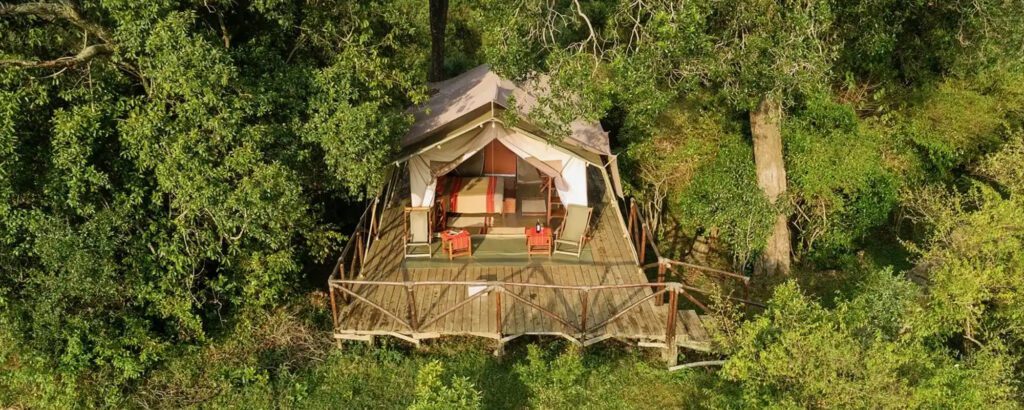
Photo credit: Matira Bush Camp
How frequent camp changes affect different traveler types
First-time safari travelers
First-timers need confidence-building sessions early in the trip. Too many moves can reduce that confidence and create a feeling of never settling into safari rhythm.
Wildlife photographers
Photographers need repeat access and angle control. Camp-hopping reduces both, especially when each area gets only one or two true sessions.
Birders
Birding quality depends on habitat timing and repeated listening windows. Constant movement can reduce detection quality even when total species potential is high.
Families and mixed groups
Families pay a higher friction tax for repacking, timing stress, and variable routines. Mixed groups often experience more internal tension when days are transfer-heavy.
Practical baseline thresholds to prevent over-movement
Use these thresholds before booking:
– Minimum three nights in one primary ecosystem
– No more than two major camp changes in a seven to nine safari-day trip
– At least six prime sessions in your anchor location
– Transfer days should be strategically justified, not decorative
If your route violates several of these thresholds, quality risk is high.

Photo credit: Mara Plains Camp
Better alternatives to camp-hopping
Anchor and contrast model
Build one main anchor ecosystem and one contrast ecosystem.
Example in Kenya:
– Maasai Mara anchor for three to four nights
– Amboseli or Samburu contrast for two to three nights
Example in Tanzania:
– One Serengeti anchor sector for three to four nights
– One contrast block such as Ngorongoro area or seasonal Ndutu extension
This model preserves variety while protecting field consistency.
Strategic split within one ecosystem
If you want property variety, split intelligently within the same ecosystem only when functional benefit exists.
Functional split means:
– improved access to different habitat type
– reduced drive pressure in key windows
– better support for specific objectives such as birding or cat tracking
Decorative split means moving for novelty only. Decorative splits usually reduce quality.
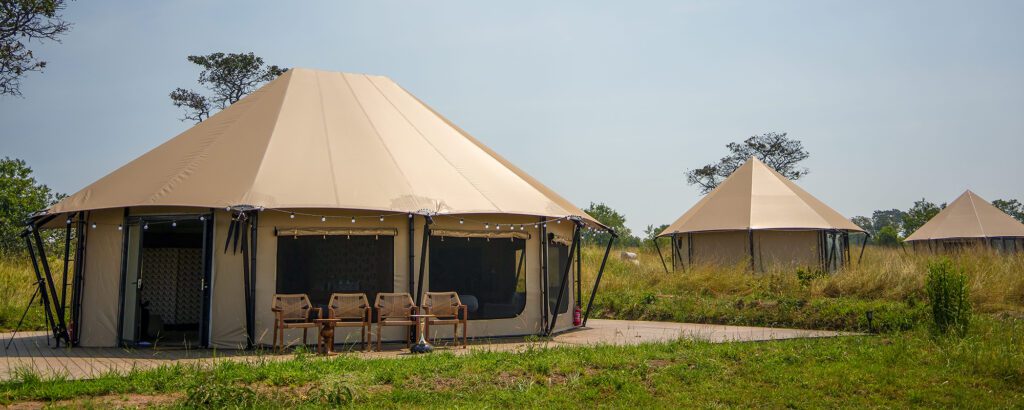
Photo credit: Ndutu Luxury Camp
The transfer decision test
Before adding any camp change, ask:
– Which two field windows will this move likely reduce or remove
– What specific gain compensates for that loss
– Could the same gain be achieved by staying and adjusting session objectives
If the gain is vague, keep the extra night where you are.
The emotional impact of staying longer
Longer stays in one place do more than improve sightings. They improve perception.
– you start recognizing landmarks and movement corridors
– you read subtle shifts in wind and herd behavior
– your guide decisions become more predictive
– the safari feels like immersion rather than transit
This emotional depth is why returning travelers often prefer fewer camps and stronger continuity.

Photo credit: Bushtops Safari Camp
Common planning mistakes and direct fixes
Mistake one
Trying to see too many iconic names in one short trip.
Fix:
Reduce one destination and add one night to your anchor ecosystem.
Mistake two
Upgrading room category while keeping a rushed route.
Fix:
Protect session quality first, then upgrade room level if budget allows.
Mistake three
Using one-night stays as connectors.
Fix:
Avoid one-night safari camps unless logistics absolutely require them.
Mistake four
Not counting lost wildlife windows on transfer days.
Fix:
Calculate dawn and dusk losses explicitly during itinerary review.
Mistake five
Assuming all camp moves are equal.
Fix:
Only move when ecological function or objective gain is clear and measurable.
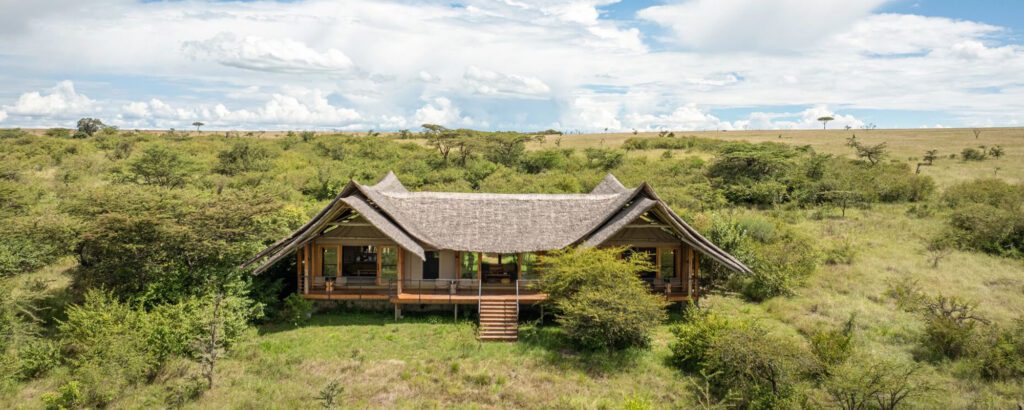
Photo credit: Naboisho Camp
A practical comparison
Route A:
– 8 safari days
– 4 camps
– 3 major moves
– 3 to 4 prime sessions weakened by transfer timing
Route B:
– 8 safari days
– 2 camps
– 1 major move
– 6 to 8 strong prime sessions protected
Route A looks richer on paper.
Route B usually performs better in the field.
How to brief your planner professionally
Use clear outcome-based questions:
– How many prime sessions do we keep in each ecosystem
– Which camp changes are function-driven versus novelty-driven
– What is the transfer cost in lost dawn and dusk windows
– How does this route protect guide continuity
– Where can we simplify without reducing ecological contrast
When planners answer with session logic and trade-off clarity, route quality is usually stronger.
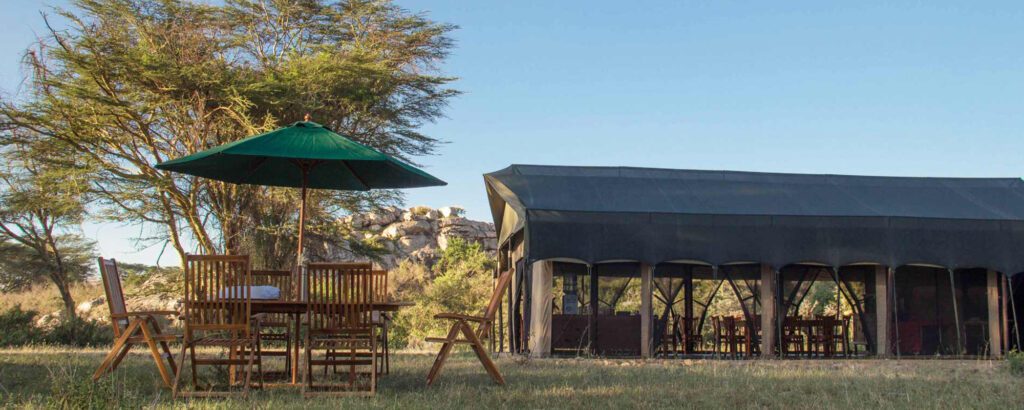
Photo credit: Cheetah Camp – Porini
Final answer
The real cost of changing camps too often on an East Africa safari is lost field quality. You lose prime wildlife windows, guide continuity, and traveler energy, often without noticing until the trip is already underway.
A better safari is usually not the one with the most camps. It is the one with the strongest session architecture. At Bobu Africa, we usually design for repeated high-quality windows first, then add contrast where transfer cost is justified.
If you want a safari that feels immersive and consistently strong, move less, stay longer, and let each ecosystem work properly before switching to the next.
FAQ
Q: How many camps are too many on a 7 to 9 day East Africa safari?
A: For most travelers, more than two major camp bases in that time range is usually too much. Frequent moves often remove prime dawn and dusk sessions and reduce overall wildlife quality.
Q: Is it ever worth changing camps within the same ecosystem?
A: Yes, but only when the move has a clear functional gain such as improved habitat access or objective shift. If the move is only for novelty, it usually lowers field performance.
Plan Your Journey
If you are reviewing an East Africa itinerary and want to keep the trip deep rather than rushed, Bobu Africa can help you audit camp changes against real field-session value and build a calmer route with stronger wildlife outcomes.