


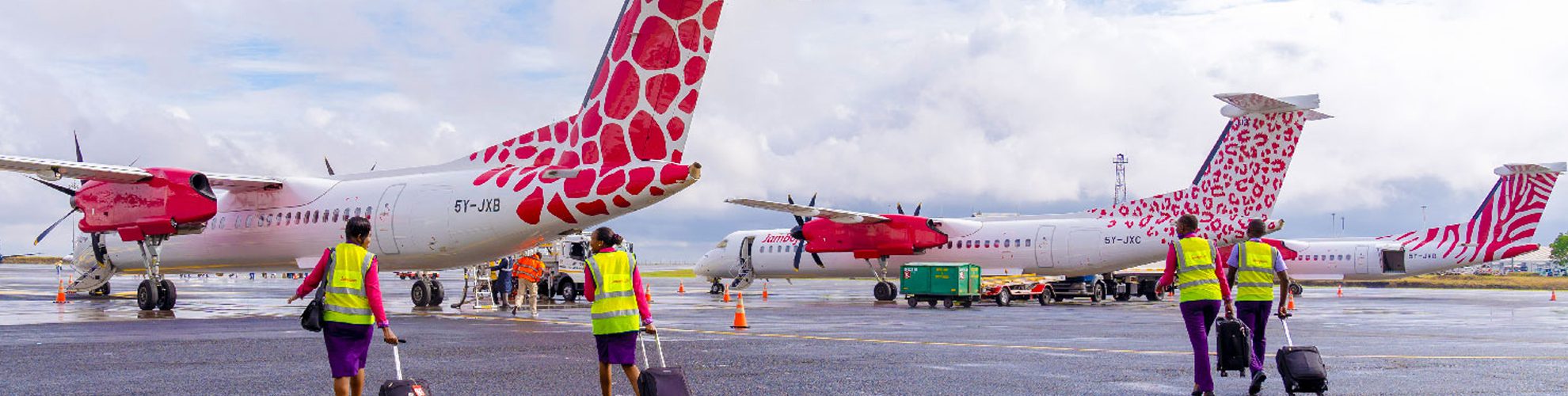
Are there direct flights between African safari destinations. Sometimes yes, often no, and usually not in the simple city-to-city way many travelers imagine.
Most safari regions are connected through a mixed network of commercial hubs, regional airlines, and bush airstrips. That means you may fly direct between some safari zones, but many routes still require a hub connection, an airstrip hop, or a road transfer at one end.
In our 15 years of field operation across East Africa, we see this mistake most often. Travelers ask for the fewest flight segments, when the better goal is the fewest lost wildlife windows. In field terms, flight quality is less about directness and more about session protection.
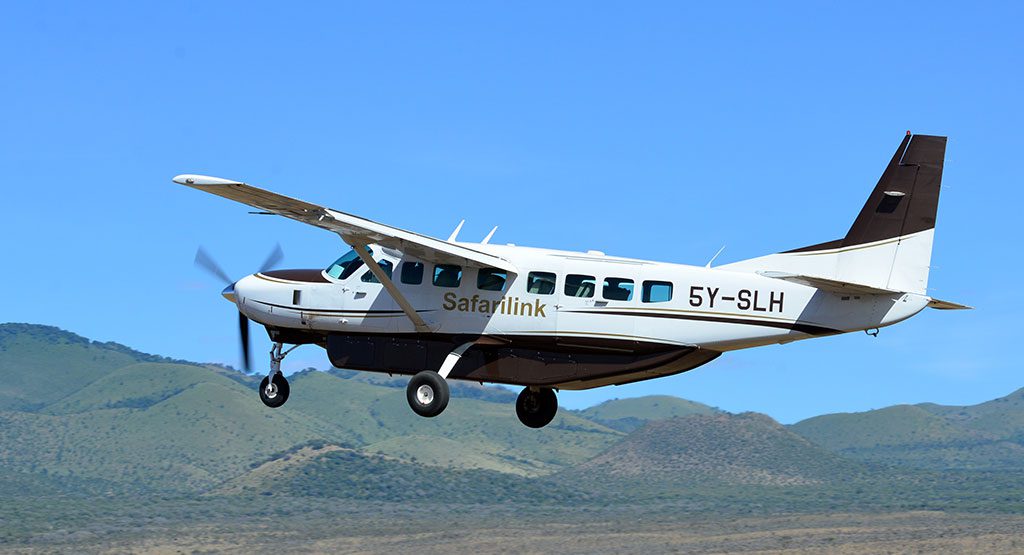
In real safari planning, a good flight plan usually means protecting dawn and dusk field windows, even if one extra connection is involved.
At Bobu Africa, we usually treat air routing as a field-time strategy, not a convenience upgrade. One transfer day often costs two prime wildlife windows, and a poorly timed flight chain can do the same.
These two rules explain why some direct-looking itineraries still underperform.
Why direct flights are limited in safari geography
Safari destinations are not built like business travel corridors. You are often moving between conservation zones, private concessions, and remote strips rather than major city airports.
This creates structural limits:
- low passenger density on many route pairs
- weather and runway constraints at remote strips
- Seasonal demand variability
- Airline economics that favor hub-and-spoke operations
So yes, direct links exist in specific cases, especially around high-demand regions, but not across every destination pair in your wishlist.

East Africa flight reality by region
Kenya network logic
Kenya has one of the most developed safari flight systems in East Africa, especially around Nairobi and major conservation regions.
Common pattern:
- International arrival into Nairobi
- Scheduled or charter bush flights to safari strips near Maasai Mara (Kenya), Samburu (Kenya), Amboseli (Kenya), or Laikipia areas
Some inter-safari links operate directly on certain schedules, but many still route through Nairobi or a secondary operational node depending on day and carrier.
Tanzania network logic
Tanzania also has a strong safari aviation system, with key movement often routed through Arusha area hubs, Kilimanjaro gateway logic, or Dar-linked structures depending on circuit.
Common pattern:
- International arrival through Kilimanjaro or other gateways
- Onward regional or bush flights into Serengeti sectors, Ndutu (Tanzania) in season, and other circuit airstrips
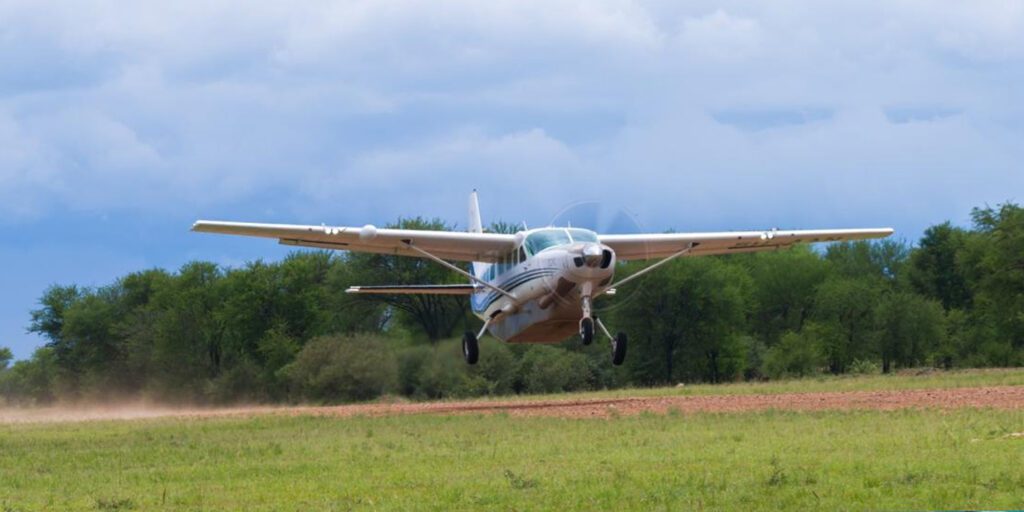
Inter-sector directs can exist but are often schedule-sensitive.
Cross-border Kenya and Tanzania logic
This is where travelers most often over-assume direct options. A route such as Maasai Mara (Kenya) to Serengeti (Tanzania) may not function as one seamless direct chain on your dates, or may involve operational constraints that reduce reliability.
In many real itineraries, a strategic connection plus controlled timing outperforms a forced direct aspiration.
Uganda and Rwanda add-on logic
If your route includes gorilla sectors in Uganda or Rwanda plus savanna zones in Kenya or Tanzania, flight architecture becomes more complex. Direct links can exist in parts, but permit timing and border logic often matter more than pure directness.
The biggest planning mistake
Most travelers optimize for number of flights. Experienced planners optimize for quality of arrival time.
A one-leg direct that lands late can be worse than a two-leg chain that lands before lunch with stable onward logistics.
Why this matters:
- Late arrival often kills the first game drive
- Rushed check-ins reduce guide briefing quality
- Poor sleep before first dawn lowers field output
- Photographers lose early consistency on day one and day two
A strong safari is not defined by one dramatic sighting, but by repeated high-quality field sessions. Flight timing determines how many of those sessions survive.
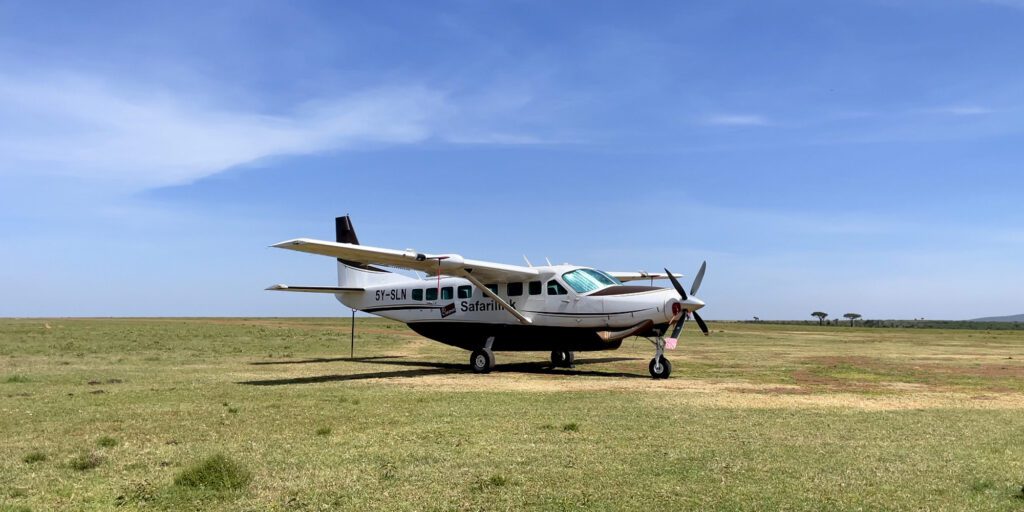
Practical baseline for air-to-field conversion
Three nights usually means six prime field sessions. If your flight plan removes one session at the front and one at the back, your effective safari value drops fast.
For short routes under eight safari days, this is critical. One badly timed flight can remove a large percentage of high-value opportunity.
For photographers, this is less about headline spectacle and more about full-trip consistency.
Direct flight myths and reality
- If a direct exists on one date, it will exist on mine.
Reality: Many safari directs are day-specific, season-specific, or inventory-limited.
- Fewer segments always means less risk.
Reality: One direct can still carry high risk if timing is poor, baggage handling is strict, or arrival is too late for field conversion.
- Bush flights are only luxury add-ons.
Reality: In many routes, bush flights are practical time-saving tools that protect two prime wildlife windows.
- Road transfers are cheaper so always better.
Reality: Road may lower ticket cost but can raise fatigue and session loss. Total value depends on what field time you lose.
- All inter-park flights are equivalent.
Reality: Route quality depends on departure time, strip sequence, stop count, baggage rules, and handoff reliability.

How to evaluate a safari flight plan like a pro
Use this seven-point test before booking.
1. Count protected dawn and dusk sessions
Do not only count flights. Count wildlife windows preserved.
2. Check actual arrival-to-camp time
Airport arrival is not field arrival. Add transfer and check-in logic.
3. Confirm stop pattern on bush flights
Some flights are direct to your strip, others are milk-run style with multiple strip stops.
4. Validate baggage policy early
Small aircraft often enforce strict soft-bag and weight limits. Last-minute repacking adds stress and delay.
5. Build one operational buffer around key transitions
This is especially important on cross-country or permit-linked routes.
6. Match flight choice to traveler type
Photographers and birders need early field readiness more than maximum lounge comfort.
7. Evaluate total friction, not ticket line price
Cheaper segment structure can be costlier in lost sessions.
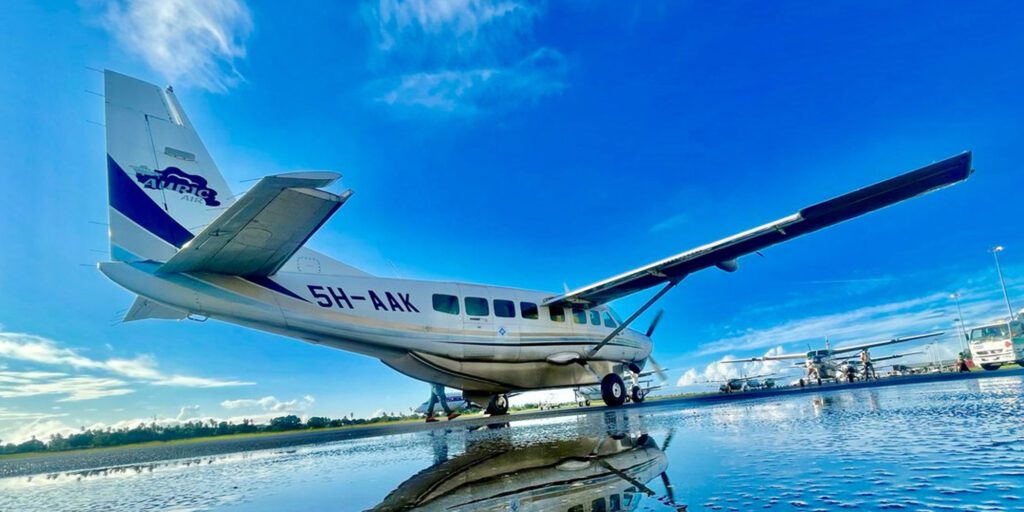
Route design trade-offs that matter
Trade-off A: direct but late versus connected but early
Connected but early often wins if it protects the first game drive and better sleep cycle.
Trade-off B: road plus no flight versus one bush hop
One bush hop often saves enough field time to justify cost on short itineraries.
Trade-off C: three ecosystem sprint versus two ecosystem depth
If flight chains become complex, reducing one ecosystem usually improves total quality.
In real safari planning, more places do not always mean more experience.
Place-function examples with air logic
- Maasai Mara (Kenya) is often high-return for direct bush access because predator windows reward early conversion.
- Amboseli (Kenya) can pair well by air in some designs, but schedule timing is key for first and last windows.
- Samburu (Kenya) adds excellent contrast, though some chains require careful timing to avoid long dead hours.
- Serengeti (Tanzania) sectors can be highly productive by bush air links when sector choice matches objective.
- Ndutu (Tanzania) in season may be best handled through timing-led links rather than map-straight assumptions.
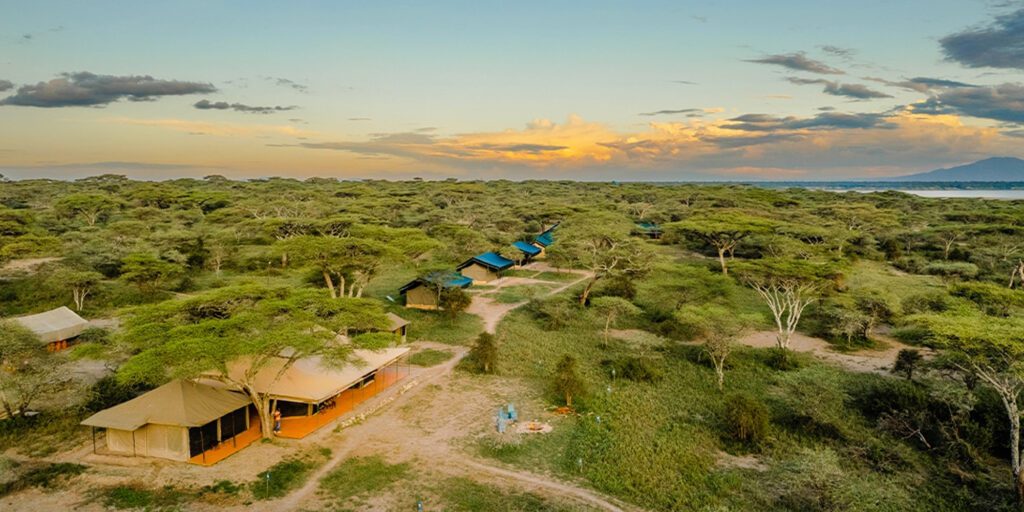
Premium traveler perspective
Premium safari quality is often misunderstood as room category first. In field execution, air timing often matters more.
A premium-feeling itinerary usually includes:
- Low-friction transfers
- Realistic connection windows
- Arrival patterns that support calm first sessions
- Minimized dead travel blocks during peak field hours
In field terms, luxury is less about visible upgrades and more about consistent day performance.
Photography and birding implications
Photographers need predictable rhythm. Birders need fresh dawn attention and habitat continuity. Both profiles suffer when flight design is optimized for map efficiency but not field readiness.
Practical implications:
- Avoid late arrivals before key morning sessions
- Preserve at least one full acclimatized day early
- Prioritize routes that reduce avoidable transfer fatigue
If air routing is weak, even strong destination choices underperform.
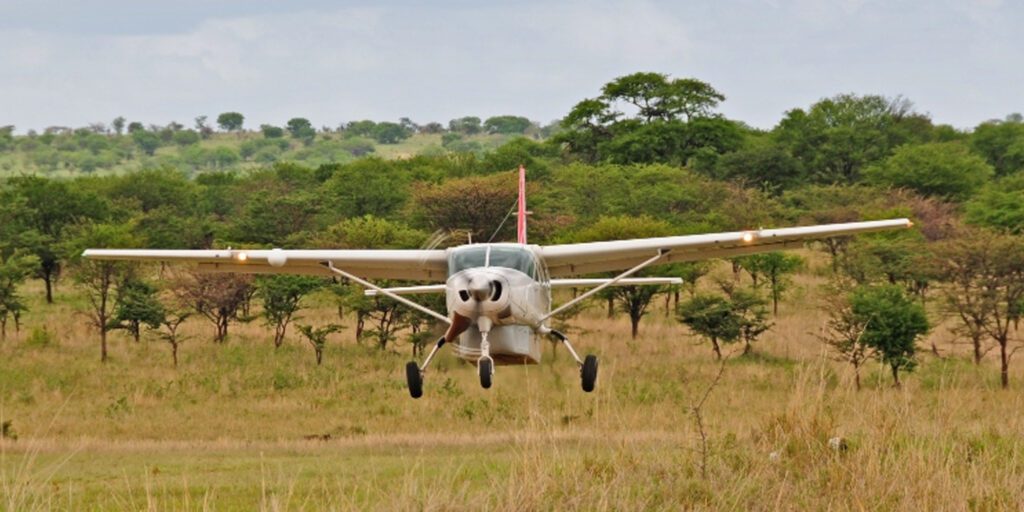
A practical planning model
For many East Africa safari trips, this structure performs well:
- Gateway arrival day with controlled recovery
- One anchor ecosystem with three to four nights
- One contrast ecosystem with two to three nights
- One strategic flight transition that protects field windows
At Bobu Africa, we usually treat three nights in one anchor ecosystem as the practical baseline for quality stability. This keeps six prime sessions available and reduces schedule fragility.
What to ask your planner before you pay
- Which flight segments are truly direct and which include strip stops
- What is door-to-field timing, not just airport timing
- Which day risks losing a prime session due to transfer chain
- Where is the buffer if one segment runs late
- Could one route simplification save two field windows
Precise answers indicate mature planning. Vague answers usually indicate hidden risk.
FAQ-style direct answer
Are there direct flights between safari destinations. Yes, in selected corridors and dates. But a direct route is not automatically the best route.
The best route is the one that protects your highest-value field windows with the least operational friction.
That is the planning standard that consistently works.
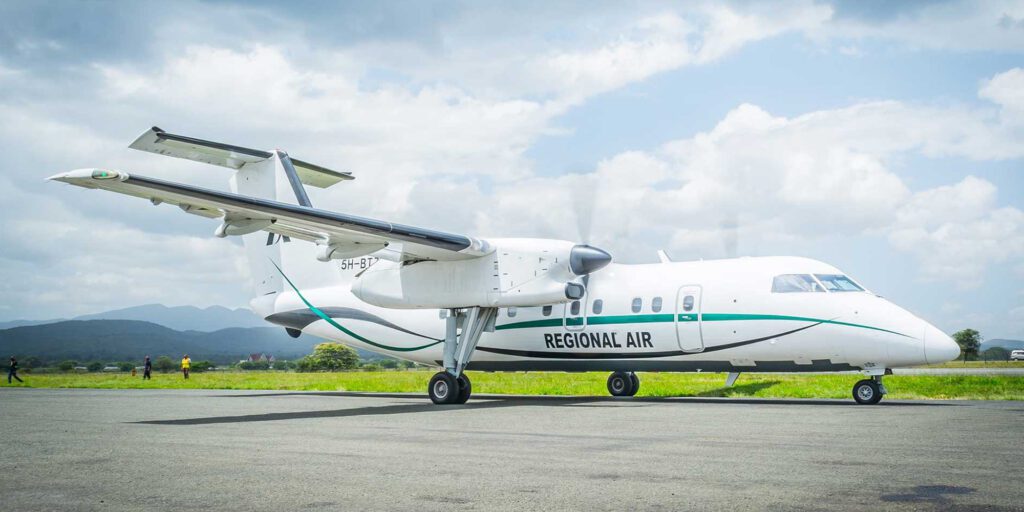
Final field perspective
Travelers often start by asking for fewer flights. Experienced safari teams start by asking for better days. Those are not always the same thing.
In East Africa, direct safari flights are useful tools, but they are part of a larger timing system. If you design that system well, connections feel smooth and field quality rises. If you chase map-straight routes without timing logic, you may lose the very sessions you traveled for.
At Bobu Africa, we design air routing as part of creative safari engineering. The goal is not to win the flight map. The goal is to arrive ready, stay in rhythm, and keep your best wildlife windows intact.
FAQ
Q: Can I fly directly from one safari park to another in East Africa?
A: Sometimes, yes, depending on route pair, season, and airline schedule. Many links still require a hub, strip stop, or mixed air-road connection, so timing quality matters as much as direct availability.
Q: Are bush flights worth the extra cost?
A: Often yes for short or high-value itineraries. A well-placed bush flight can protect two prime wildlife windows and reduce fatigue, which usually improves total safari value.
Plan Your Journey
If you are building a safari route and unsure whether to prioritize direct flights, bush links, or road transitions, Bobu Africa can help you map the option that protects your best field windows and keeps the trip smooth from first landing to final game drive.