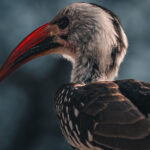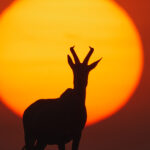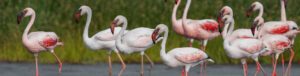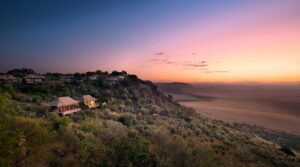


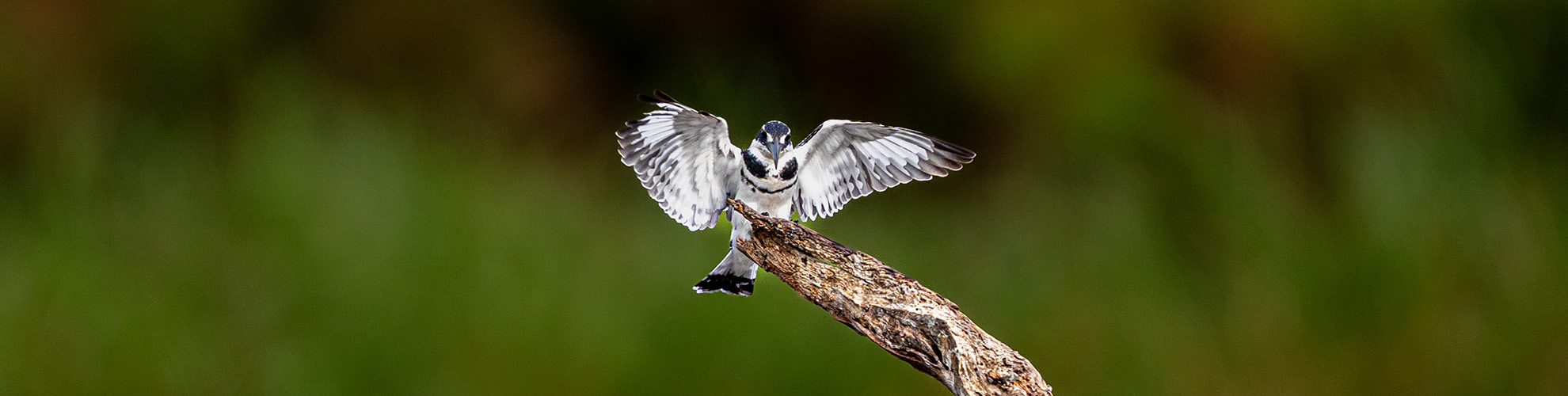
The prime season runs from November to April, when migratory birds from Europe and Asia arrive. During this period, many species are in breeding plumage, displaying vibrant colors and increased activity, ideal for striking, high-quality images. Wetland areas like Lake Nakuru National Park and Lake Naivasha are especially productive.
The dry season from June to October is also excellent, particularly for clean and well-composed shots. With less vegetation and concentrated water sources, birds are easier to spot and photograph. This period also aligns with peak wildlife viewing in places like the Maasai Mara, allowing for a combined birding and safari experience.
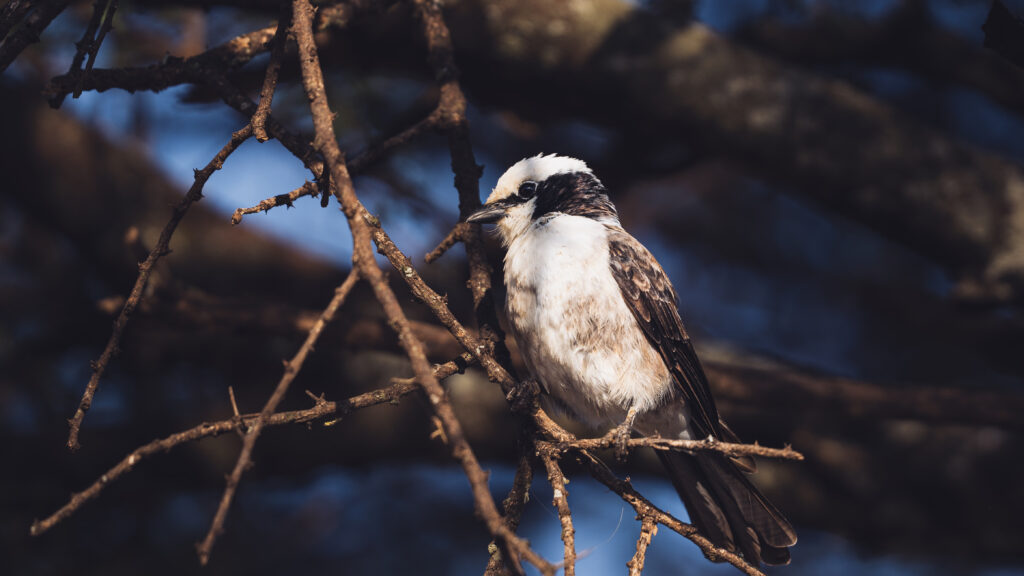
While the rainy seasons (March–May and October) bring lush scenery, they can make photography more challenging due to dense vegetation and unpredictable weather.
At Bobu Africa, we usually treat the best time for bird photography in Kenya as the month when subject, plumage, light, and habitat condition align with the kind of images you actually want. In field terms, timing is less about a universal best month and more about choosing the right visual trade-off.
That matters because bird photography is not one thing. A photographer hoping for clean Samburu perches in dry-country light is not solving the same problem as someone wanting breeding-color weavers around Rift wetlands or coastal species in a greener frame. This month-by-month guide is built around that reality.
How to think about bird photography timing in Kenya
Before going month by month, it helps to define the field logic. Kenya bird photography usually moves across four main variables: rainfall pattern, breeding activity, migrant presence, and access conditions. None of them work in isolation.
In real safari planning, good bird photography usually means matching the month to the habitat. Dry-country places such as Samburu, Kenya, and Lake Baringo, Kenya, often behave differently from wetter systems such as Lake Naivasha, Kenya, Kakamega Forest, Kenya, or the Kenyan coast around Arabuko-Sokoke and Mida Creek. A month that feels visually strong in one region may feel compromised in another.
One transfer day often costs two prime wildlife windows. Three nights usually means six prime field sessions. That is why timing and route matter together. The best month on paper can still underperform if the itinerary loses too much first light and last light to bad pacing.
January
January is one of Kenya’s most reliable bird photography months if you want a balance of access, visual clarity, and broad bird activity. In many regions, the landscape is still carrying some freshness from the shorter rains, yet roads are usually more manageable than in heavier wet periods.
For photographers, January works well because the light can be clean, the vegetation often still holds enough color, and many birds remain active and visible. It is a particularly good month for open-country and mixed safari birding where birds are part of a broader wildlife trip rather than the only purpose.
Samburu, Kenya, often performs well in January, especially for dry-country species in attractive light. Rift Valley areas can also be productive, and the month generally suits photographers who want a strong all-round trip without leaning too far into extreme wet or extreme dry conditions.
Best for: all-round bird photography, cleaner logistics, mixed birding and safari routes.
February
February is often one of the best months in Kenya for bird photography if your priorities are color, activity, and broad visual consistency. In many parts of the country, this is a month when the field feels alive without becoming logistically difficult.
There is often strong bird activity, attractive foliage, and a good balance between accessibility and richness. Wetland and lake systems can be especially rewarding, and open-country photography still works well. For many photographers, February offers one of the best compromises of the entire year.
At Bobu Africa, we usually treat February as the practical baseline for travelers who want a first Kenya bird photography trip that feels both photogenic and logistically stable.
Best for: first-time bird photography trips, stronger color, broad habitat range, balanced planning.
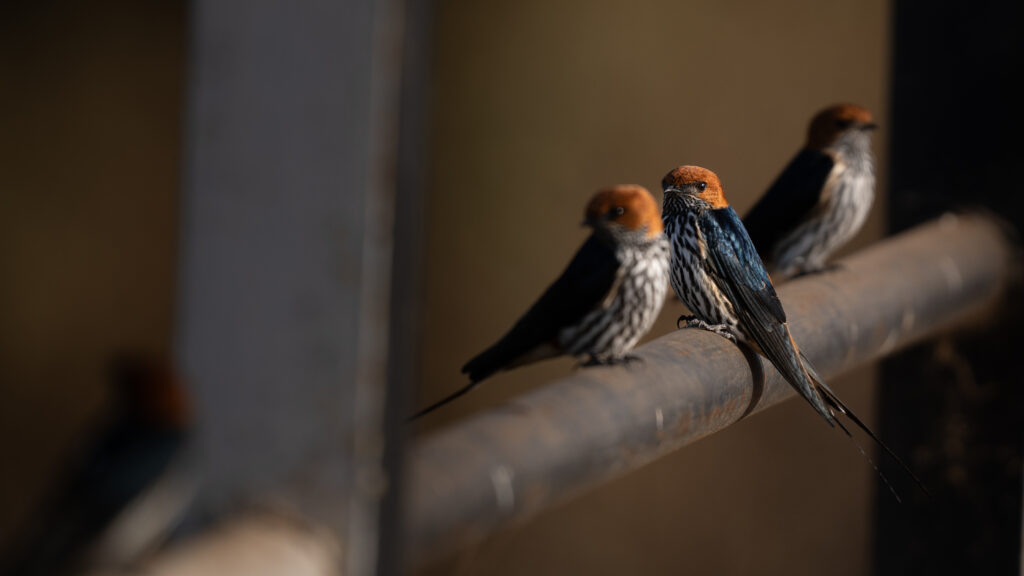
March
March can be excellent, but it asks for more intentional planning. In some years, the long rains may begin to influence conditions, especially later in the month. That does not automatically make March worse. It simply changes the kind of images the month tends to favor.
For photographers, March can bring richer greens, softer atmosphere, and a more alive feeling in wetland or woodland environments. It can also increase the risk of difficult roads, hazier movement planning, and less predictable daily flow. In field terms, March is less about certainty and more about visual reward with a slightly higher logistics burden.
If your goal is mood, color, and a less dusty frame, March can be very satisfying. If your goal is smooth movement across multiple remote regions, it may require more care.
Best for: greener backgrounds, softer atmosphere, photographers comfortable with some weather risk.
April
April is the month many mainstream safari planners avoid, and that is exactly why it deserves a more careful bird photography reading. This is not the easiest month. It can be wet, roads may become unreliable in some areas, and some camps or routing options are less straightforward. But for certain photographers, April can be quietly rewarding.
Bird activity can be rich, breeding behavior may be strong, and the landscape often looks fuller and more visually alive than in drier months. The trade-off is obvious. The same rain that improves mood, color, and habitat freshness can make movement slower and reduce the number of productive sessions if the route is too ambitious.
In our 15 years of field operation across East Africa, we see this mistake most often: travelers hear that wet months are good for birds, then overbuild the route and spend too much energy fighting the road instead of photographing. April works best when the itinerary is geographically restrained.
Best for: dedicated bird photographers who want lush conditions and can accept higher route risk.
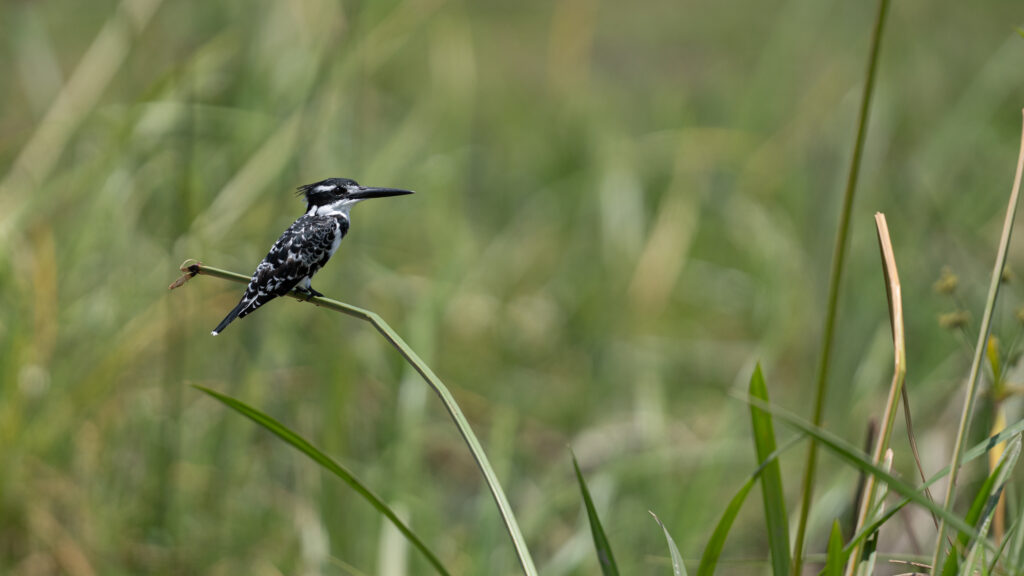
May
May remains part of the longer rain period in many areas, though conditions vary by region and year. It is still not the easiest month for a classic multi-stop Kenya circuit, but it can produce strong results for travelers with patience and the right expectations.
The advantage of May is visual richness. Wetlands can be full, backgrounds lush, and certain habitats feel more alive than they do in harder dry-season light. The disadvantage is that access may still be inconsistent, and some safari days simply do not run with the same efficiency as they do later in the year.
In field terms, May is less about clean movement and more about photographic mood. That can be valuable, but only if the route is built honestly around the season.
Best for: repeat visitors, specialist bird photographers, shorter region-focused trips rather than long ambitious loops.
June
June is a turning point. The long rains begin to ease in many areas, landscapes often remain relatively fresh, and access generally improves. For photographers, this can be an attractive middle ground between greener months and the cleaner logistics of the drier season.
This is often a good month for travelers who want a more stable trip without fully giving up color and habitat richness. Open-country birding becomes easier to manage, while wetlands and greener zones may still hold visual texture.
Best for: photographers wanting a balanced post-rain window with improving road conditions.
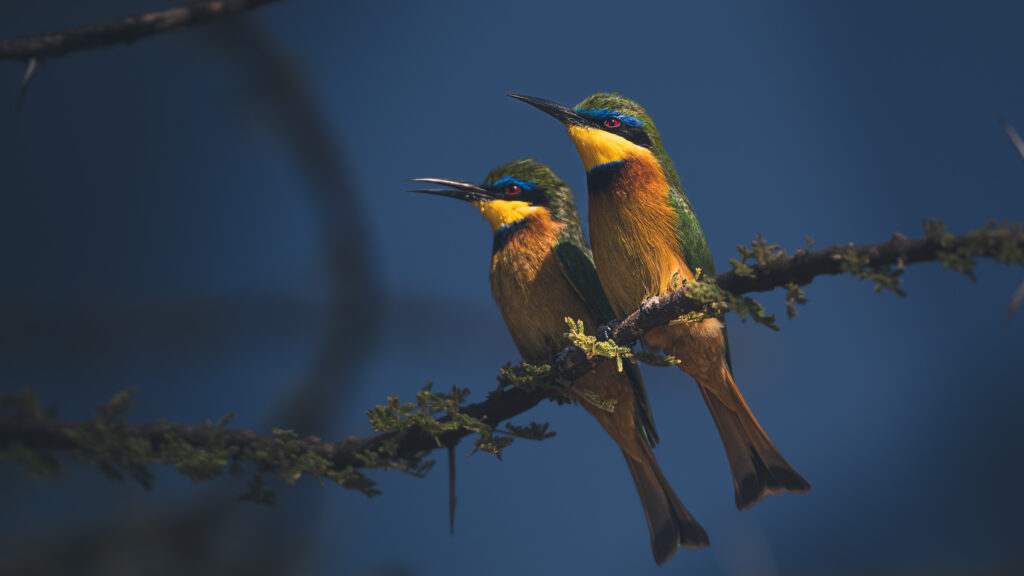
July
July is one of the stronger logistics months in Kenya, especially for travelers combining bird photography with a broader wildlife safari. Access is easier, the safari rhythm becomes more dependable, and many photographers appreciate the operational simplicity.
The visual trade-off is that some habitats begin to lose the lushness of earlier months. Depending on your style, that may be an advantage. Cleaner backgrounds, drier perches, and more predictable positioning can improve certain kinds of bird imagery, especially in open country.
For photographers, July is less about maximum color and more about control. That can be a very good trade if your goal is a disciplined, efficient safari with consistently usable sessions.
Best for: strong logistics, open-country photography, mixed wildlife and birding travel.
August
August continues many of July’s strengths. It is a dependable month for movement, and for safari travelers combining birds with mammals, it often fits naturally into wider Kenya planning. Bird photography remains productive, though the imagery may feel drier and more austere in some regions than it does earlier in the year.
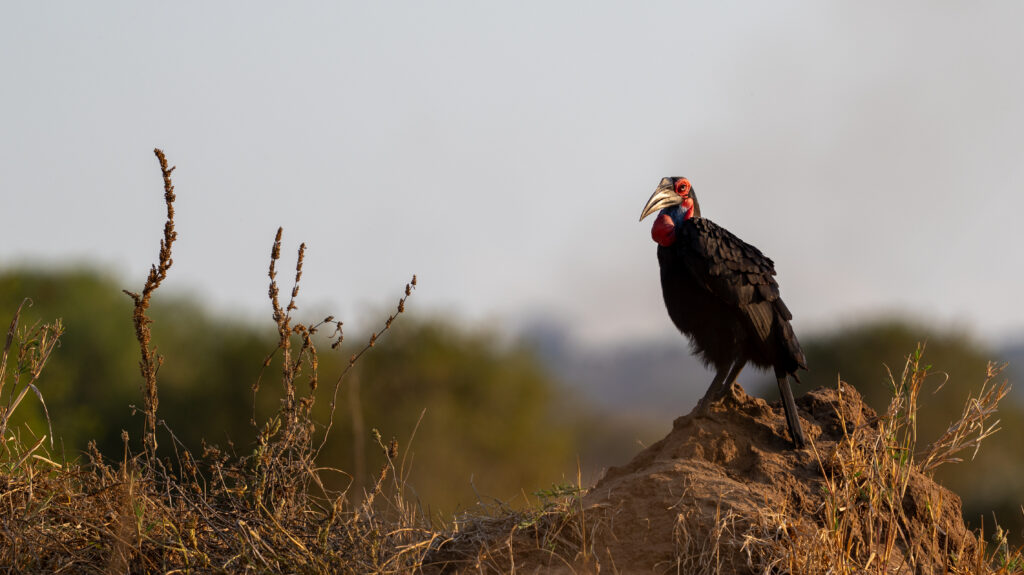
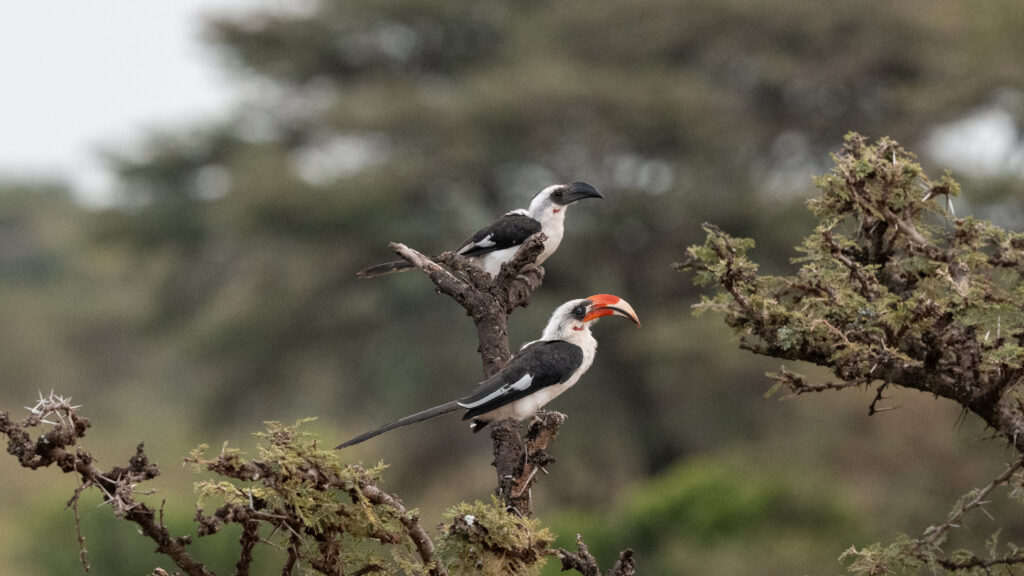
That is not necessarily a weakness. In places like Samburu, Kenya, dry conditions can actually sharpen the visual language of bird photography. Cleaner branches, clearer sightlines, and warmer-toned landscapes often suit hornbills, weavers, shrikes, and other dry-country species especially well.
Best for: dry-country bird photography, reliable safari flow, travelers combining birds with classic wildlife timing.
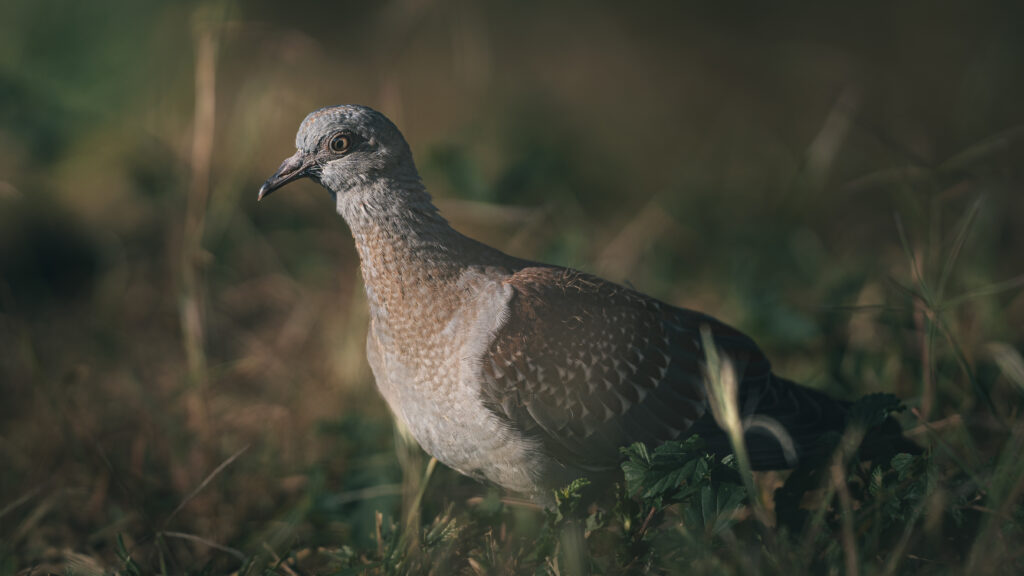
September
September is one of the most underrated months for bird photography in Kenya. It often carries the logistical benefits of the dry season while beginning to feel less compressed by peak safari energy in some circuits. For photographers, this can create a very usable blend of access and calmer pacing.
Open-country birding is often strong, and the cleaner habitat structure can suit both observation and composition. If your style leans toward crisp subjects, clearer perches, and more controlled frames, September can be extremely rewarding.
Best for: photographers wanting reliable access with cleaner, drier image structure.
October
October is a transition month and one of the more interesting ones for experienced planners. In some years it feels dry and open; in others, the lead-in to the short rains begins to soften parts of the landscape. That uncertainty is not necessarily a problem. It simply means the month needs clearer intention.
October can be very good for photographers who want fewer extremes. It often avoids the heaviest rain challenges while beginning to hint at the freshness that will define later months. This is also a month when route design matters more than generic timing advice.
At Bobu Africa, we usually treat October as a flexible shoulder month for travelers who want a field-smart route rather than a heavily advertised seasonal formula.
Best for: flexible route design, shoulder-season travel, photographers comfortable with a mixed seasonal mood.
November
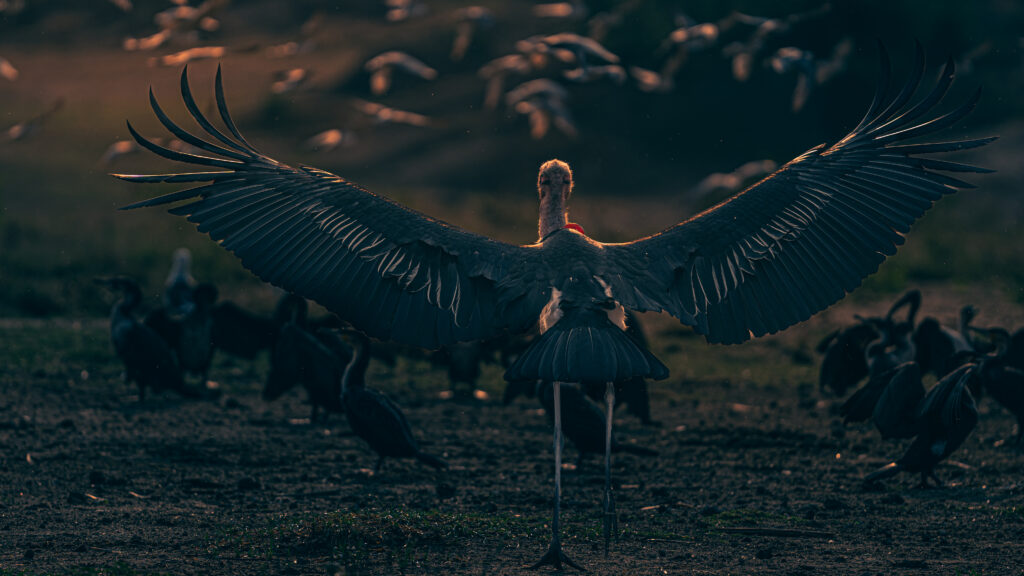
November can be one of the most visually rewarding bird photography months in Kenya, especially when the short rains freshen the landscape without overwhelming access. This is when many birds become especially attractive, activity can rise, and the whole safari starts to feel more alive again.
For photographers, November often brings a richer frame than the later dry months. Wetland zones can be particularly rewarding, and the country begins to feel less monochrome. The main caution is that rain variability means some regions will perform better than others.
In field terms, November is less about universal ease and more about photographic freshness. When handled well, it can be one of the most satisfying months of the year.
Best for: greener scenes, richer atmosphere, strong all-round bird photography with smart route planning.
December
December is one of Kenya’s most attractive bird photography months because it often combines freshness, activity, migrant presence, and festive-season safari viability. In many years, the landscapes look alive, birds are highly active, and access remains workable enough for a well-designed route.
This month suits travelers who want strong image variety across several habitats. Rift lakes, dry-country zones, and even broader safari circuits can all work well if planned carefully. It is also one of the easier months to recommend to photographers who want Kenya to look vibrant rather than harsh.
Best for: rich all-round bird photography, festive-season travel, multi-habitat routes.
So when is the best time overall
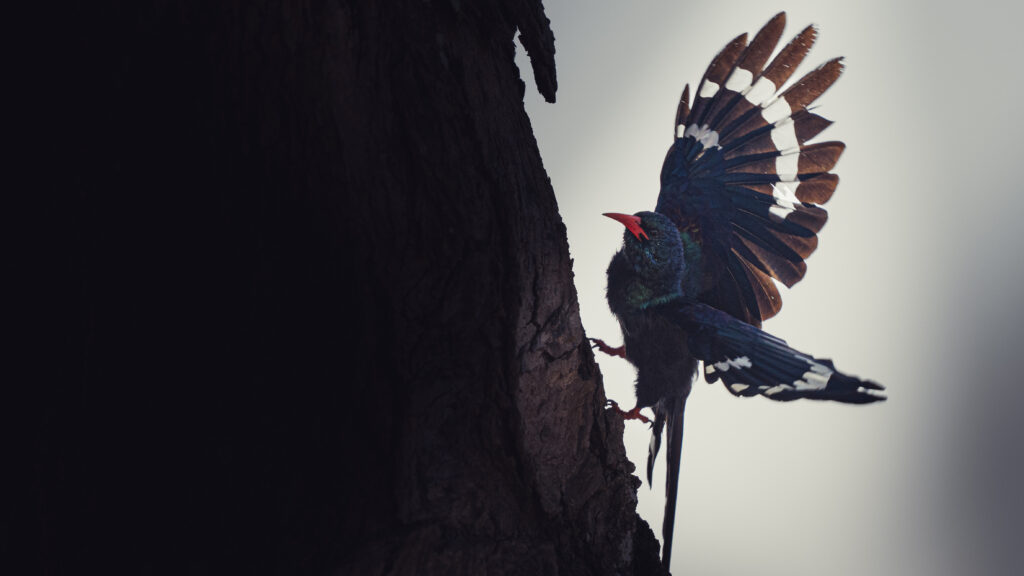
If you want the simplest answer, February and November to early January are often among the most rewarding periods for Kenya bird photography, especially for travelers who want a blend of activity, attractive habitat, and workable logistics. But that is only the broad answer.
A more truthful answer looks like this:
- Choose January to February for balanced all-round photography and easier planning
- Choose March to May for greener mood, stronger habitat freshness, and more risk
- Choose June to September for cleaner movement, drier structure, and stronger open-country control
- Choose October to December for a flexible shoulder into fresher, more colorful conditions
For photographers, the best month is less about a headline season and more about what you want the final edit to feel like. Clean and graphic is one answer. Lush and alive is another.
The planning rule that matters most
At Bobu Africa, we usually treat 7 to 10 nights as the practical baseline for a worthwhile Kenya bird photography journey across more than one habitat. If the route is shorter than that, it is often smarter to focus on one or two strong regions rather than chase a month-by-month ideal across too many stops.
One transfer day often costs two prime wildlife windows. That matters more than people think. A perfectly chosen month can still produce a weak portfolio if the safari keeps trading light for logistics.
FAQ
What is the best month for bird photography in Kenya
For many travelers, February is one of the strongest all-round months because it often combines good access, active birds, attractive habitat, and broad photographic consistency. November and December can also be excellent for greener conditions and richer atmosphere.
Is the rainy season good for bird photography in Kenya
Yes, but with trade-offs. Rainier months can bring fresher landscapes, stronger activity, and more visually alive habitats, but they can also make routes slower and less predictable. In real safari planning, wet months usually mean higher photographic mood with higher logistical risk.
When is the best time for dry-country bird photography in Kenya
July to September is often especially good for dry-country areas such as Samburu, Kenya, and Lake Baringo, Kenya, when access is easier, sightlines are cleaner, and the visual structure of the landscape suits open-country bird imagery well.
How many nights do I need for a Kenya bird photography trip
Seven to ten nights is a practical baseline if you want to work across more than one habitat properly. Shorter trips can still be rewarding, but they usually work better when focused on one or two regions instead of trying to cover too much.
A smarter way to plan the season and the route
If you want to plan a Kenya bird photography safari around light, plumage, route logic, and the kind of images you actually want to bring home, Bobu Africa can help shape it as a professional creative route rather than a generic seasonal checklist. The goal is not simply to choose the right month. It is to use the right month in the right habitats with enough field time to make it count.
FAQ
Q: What is the best month for bird photography in Kenya
A: For many travelers, February is one of the strongest all-round months because it often combines good access, active birds, attractive habitat, and broad photographic consistency. November and December can also be excellent for greener conditions and richer atmosphere.
Q: Is the rainy season good for bird photography in Kenya
A: Yes, but with trade-offs. Rainier months can bring fresher landscapes, stronger activity, and more visually alive habitats, but they can also make routes slower and less predictable. In practical planning, wet months usually mean higher photographic mood with higher logistical risk.
Plan Your Journey
If you want, Bobu Africa can help turn your preferred month into a field-smart Kenya bird photography route shaped around habitat, access, plumage timing, and the style of images you want to bring home.