20 Reasons Why You Should Travel To Kenya
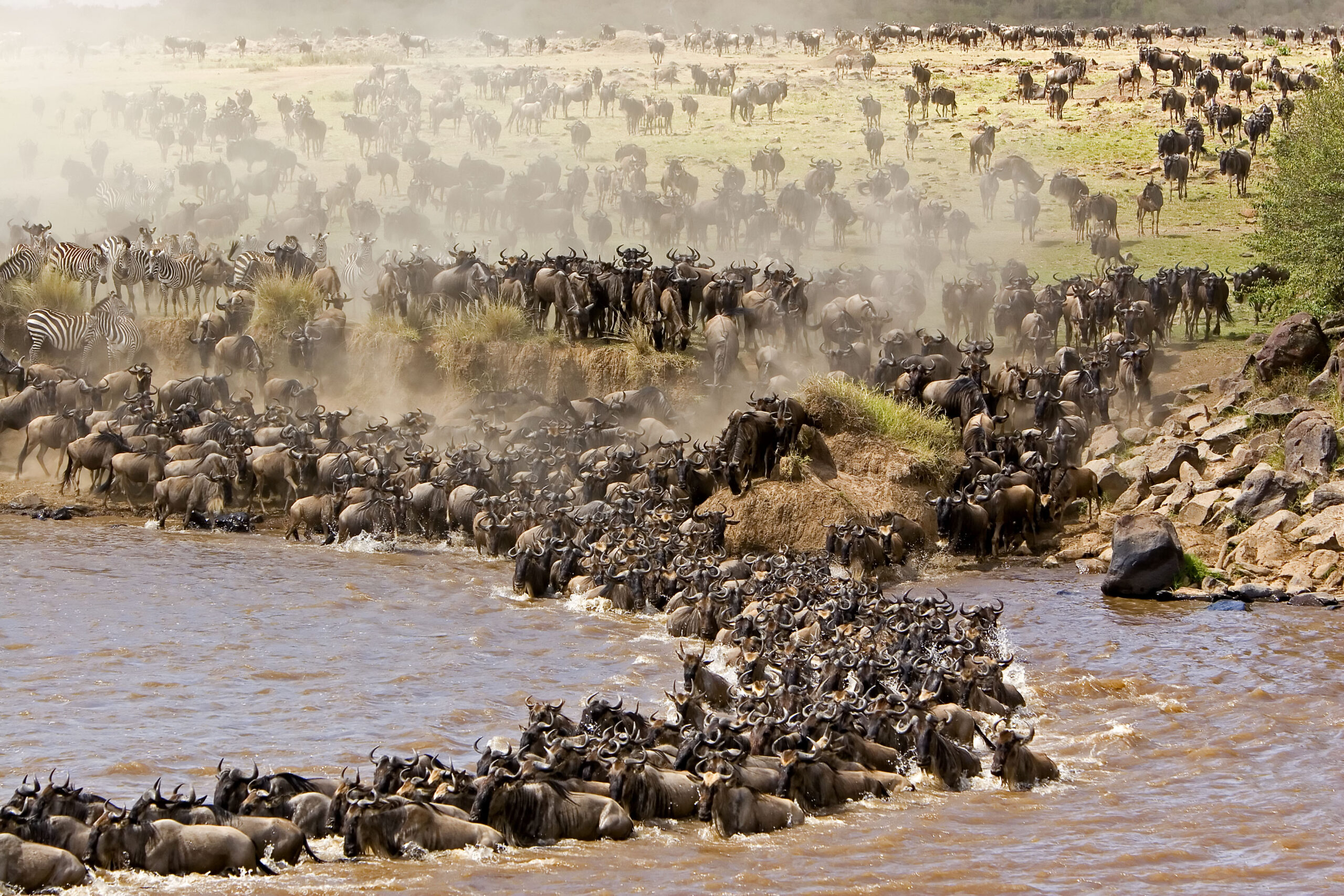
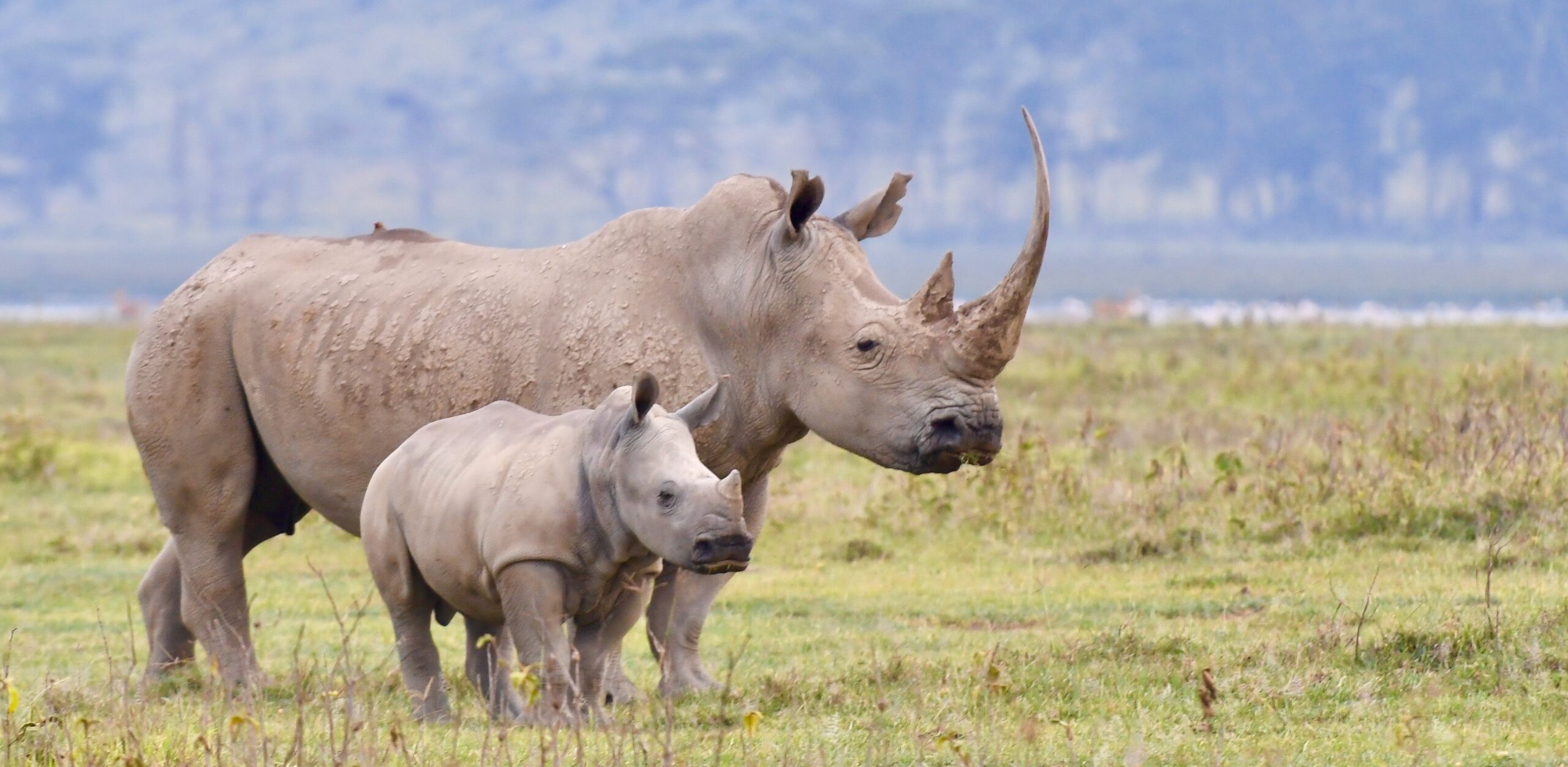
There are a lot of amazing sites to visit in Kenya if you want to have your own African experience. The country is recognized for its exquisite rustic environment and cultural sophistication, as well as its rich history and abundant natural beauty. In actuality, Kenya might just be Africa’s best-kept tourism secret. Kenya is a lovely place to visit because of the intriguing areas that are revered for their beauty and offer unmatched opportunities to unwind and relax in African style. If you are eager for your own African experience, there are plenty of fascinating places to explore in Kenya. The country is steeped in history, lauded with bountiful natural beauty, and renowned for refining its rustic ambiance and cultural elegance. As a matter of fact, Kenya may simply be the best-kept travel secret in Africa. The fascinating places are treasured for their beauty, and they offer unequaled opportunities to unwind and relax in African style; thus, making Kenya a beautiful country to visit. 1. The Great Wildebeest Migration in Maasai Mara One of Africa’s most stunning game reserves is the Maasai Mara National Reserve (commonly known as “Maasai Mara”). The Serengeti’s northern extension, the Mara, borders Tanzania and creates a wildlife corridor between the two nations. It is named for the statuesque Maasai tribe, who have lived in the area for millennia and still graze their animals here while wearing red cloaks. Maa, which in their language means “mottled,” may be a reference to the way the acacia trees and cloud-covered skies cast light and shadow on the broad plains. Video Link: https://www.youtube.com/watch?v=25JCPBvh8B0 The park is well-known for the Great Migration, which occurs from July to October and involves millions of wildebeest, zebra, and Thomson’s gazelles moving toward and away from the Serengeti. Numerous hippos and crocodiles lurk in the Mara River. Due to its relatively significant populations of lion, cheetah, and leopard, the park is also renowned for offering exceptional predator sightings, particularly during the dry months of December through February. Because of the park’s elevation, the climate is pleasant and moderate all year long. 2. View the Largest Mammals and Kilimanjaro at Amboseli Crowned by Mount Kilimanjaro, Africa’s highest peak, Amboseli National Park is one of Kenya’s most popular tourist parks. The name “Amboseli” comes from a Maasai word meaning “salty dust,” an apt description for the park’s parched conditions. The park is one of the best places in Africa to view large herds of elephants up close. Other wildlife commonly spotted in the park includes big cats, such as lion and cheetah, as well as giraffe, impala, eland, waterbuck, gazelle, and more than 600 species of birds. Video Link: https://www.youtube.com/watch?v=i8xvdrGp_aM Nature lovers can explore five different habitats here, ranging from the dried-up bed of Lake Amboseli to wetlands with sulfur springs, savannah, and woodlands. Look for the local Maasai people who live in the area around the park. Accommodation: Ol Tukai, Kibo Safari Camp, Elewana Tortilis Camp, Amboseli Serena Safari Lodge, Kibo Villa Amboseli, Little Amanya Camp, Kilima Safari, Camp, 3. Red Elephants of Tsavo Kenya’s largest park, Tsavo, is sliced in two: Tsavo West and Tsavo East. Together these parks comprise four percent of the country’s total area and encompass rivers, waterfalls, savannah, volcanic hills, a massive lava-rock plateau, and an impressive diversity of wildlife. Midway between Nairobi and Mombasa, Tsavo East is famous for photo-worthy sightings of large elephant herds rolling and bathing in red dust. The palm-fringed Galana River twists through the park, providing excellent game viewing and a lush counterpoint to the arid plains. Other highlights here include the Yatta Plateau, the world’s longest lava flow; Mudanda Rock; and the Lugard Falls, which spill into rapids and crocodile-filled pools. Tsavo West is wetter and topographically more varied, with some of the most beautiful scenery in the northern reaches of the park. Highlights here are Mzima Springs, a series of natural springs with large populations of hippos and crocodiles; Chaimu Crater, a great spot for seeing birds of prey; and Ngulia Rhino Sanctuary. Wildlife is not as easy to see in Tsavo West because of the denser vegetation, but the beautiful scenery more than compensates. Accommodation: (Tsavo West) Ngulia Safari Lodge, Finch Hattons, Severin Safari Camp, Kilaguni Serena Safari Lodge, Voyager Ziwani Tented Camp. (Tsavo East) Ashnil Aruba, Voi Wildlife Lodge, Satao Tented Camp, Sentrim Loyk Tsavo Camp, Kulalu Camp 4. Special Five at Samburu On the banks of the palm-lined Ewaso Nyiro River, Samburu, Buffalo Springs, and Shaba Reserves lie in an arid region in the remote north of Kenya. Shaba National Reserve is one of two areas where George and Joy Adamson raised Elsa the lioness, made famous in the film Born Free. The wildlife in all three reserves depends on the waters of the river to survive, and many species are specially adapted to the parched conditions. These include Grevy’s zebras; Somali ostriches; and gerenuks, the long-necked antelope that stand on two rear legs to reach the fresh shoots on upper tree limbs, the Reticulated giraffe, and the Beisa Oryx. A top attraction in Samburu National Reserve is the Sarara Singing Wells, local watering holes where Samburu warriors sing traditional songs while hauling water for their cattle to drink. You might also be rewarded with sightings of big cats and wild dogs. Accommodation: Samburu Sopa Lodge, Ashnil Samburu, Simba Lodge, Sentrim Camp, Intrepids Camp, Elephant Watch, Samburu Game Lodge, Elephant Bedroom, Larsen’s Camp 5. Lake Nakuru Rhino Heaven Lake Nakuru National Park, in Central Kenya, is famous for its huge flocks of pink flamingos. The birds throng on Lake Nakuru itself, one of the Rift Valley soda lakes that covers almost a third of the park’s area. Video Link: https://www.youtube.com/watch?v=XWSo_meYq2U The park was established in 1961, and more than 450 species of birds have been recorded here, as well as a rich diversity of other wildlife. Lions, leopards, warthogs, waterbucks, pythons, and white rhinos are just some of the animals you might see, and the landscapes range from sweeping