
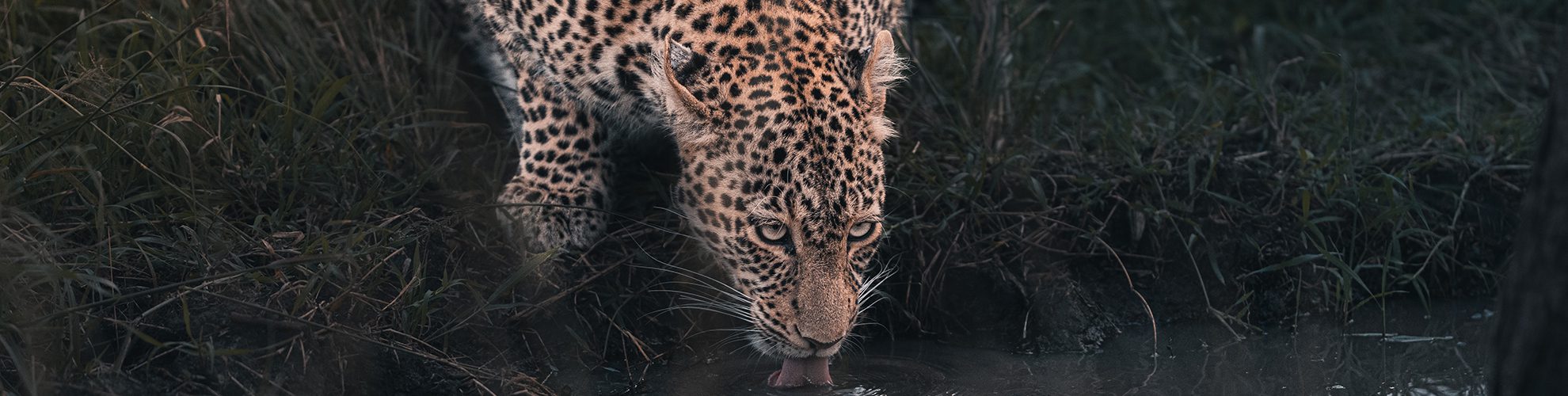
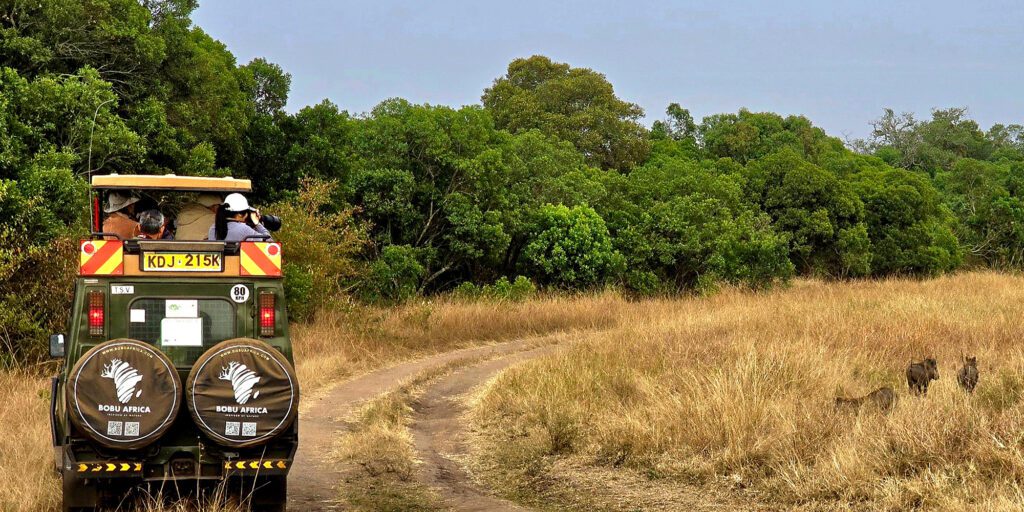
The first Africa product an agency builds is often more important than the biggest one. It sets the tone for how clients understand safari, how advisors explain value, and how easily the product can be sold without becoming a map full of names.
That is where many agencies go wrong. They assume a first Africa product should include every famous safari destination they can fit into one brochure page. Maasai Mara. Amboseli. Ngorongoro. Serengeti. Perhaps Samburu. Perhaps Zanzibar. Perhaps something else because the itinerary still looks too short. On paper, that can feel rich. In real safari planning, it often becomes harder to explain, harder to price, and less satisfying on the ground.
A strong first Africa product is not defined by the number of icons it contains. It is defined by whether a first-time traveler can understand it quickly, picture it clearly, and trust that the route makes sense. That is why the must-see destinations in a first Africa product are usually not the longest list. They are the places that create the clearest safari story with the least wasted field time.
What a first Africa product is really supposed to do
Before choosing destinations, it helps to be clear about the product’s job.
In real safari planning, a first Africa product usually means a safari that is easy for a newcomer to understand, emotionally strong enough to justify a long-haul trip, and structured well enough that the traveler finishes wanting more rather than feeling they have survived a checklist.
At Bobu Africa, we usually treat clarity as the practical baseline for a first Africa safari product. If the trip takes too long to explain, includes too much internal movement, or relies too heavily on destination fame instead of route logic, it is already weaker than it needs to be.
A strong safari is not defined by one dramatic sighting, but by repeated high-quality field sessions. That matters especially in a first Africa product, because first-time travelers are not yet comparing ecosystems with specialist nuance. They are asking a simpler question: did this feel like the Africa safari I hoped for.
The must-see destinations that belong in most first Africa products
Not every famous destination belongs in every first product. But a few places consistently perform well because they balance recognizability, field value, and commercial logic.
Maasai Mara in Kenya
If an agency is building a first East Africa safari product, Maasai Mara (Kenya) is often one of the strongest anchors.
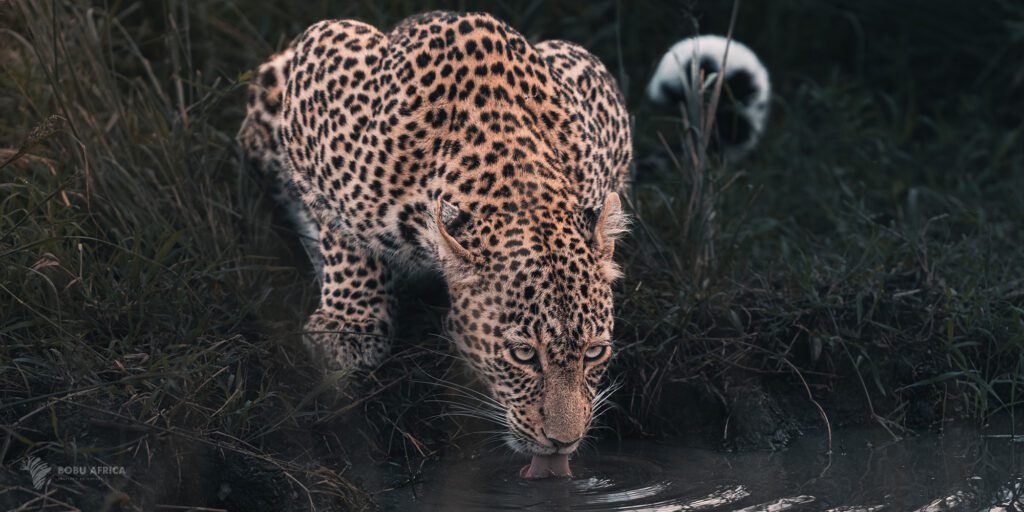
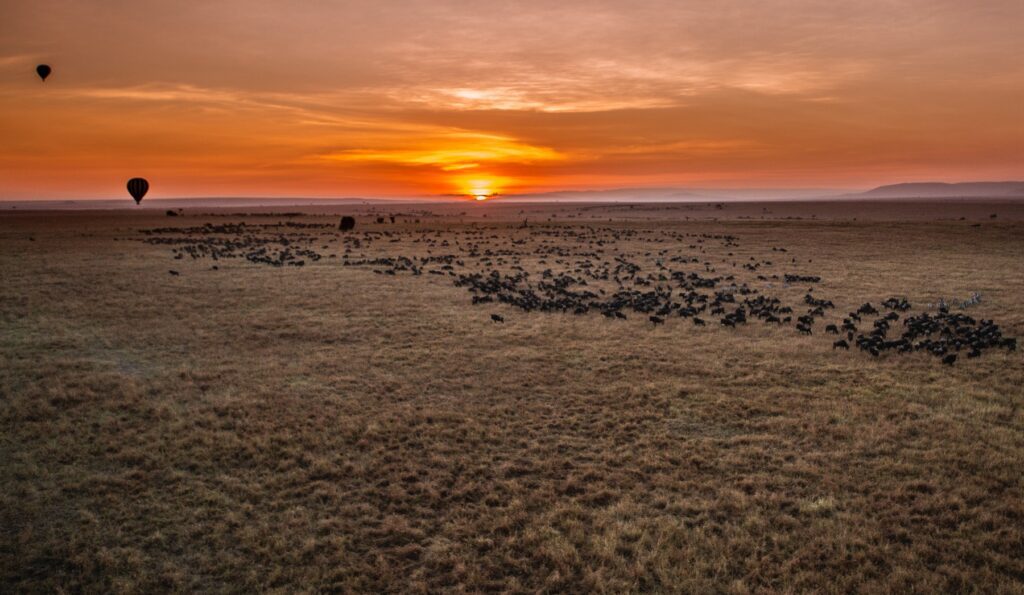
There are several reasons. First, the Mara is easy to explain. Open grasslands, big cats, antelope movement, herd dynamics, and classic safari rhythm all match what many first-time travelers already imagine when they hear the word safari. That makes the sales process easier.
Second, the Mara has strong flexibility. It works as a standalone short premium safari, as part of a Kenya-first itinerary, and in some seasons as part of a migration conversation. That makes it commercially useful for agencies trying to build one core product before widening the range.
Third, it offers high emotional return. Even when clients do not yet understand the finer differences between ecosystems, they understand the feeling of the Mara very quickly.
In the Mara ecosystem, location matters more than room glamour when field hours are limited. That is one reason the Mara works so well in a first product. If the camp is well chosen, the safari starts making sense fast.
Amboseli in Kenya
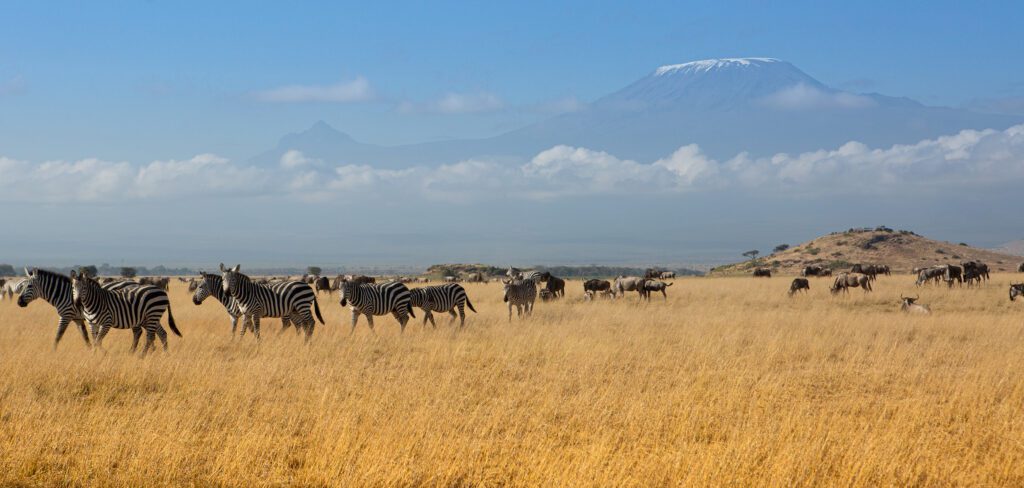
Amboseli (Kenya) is one of the smartest companions to Maasai Mara in a first Africa product because it brings contrast without confusion.
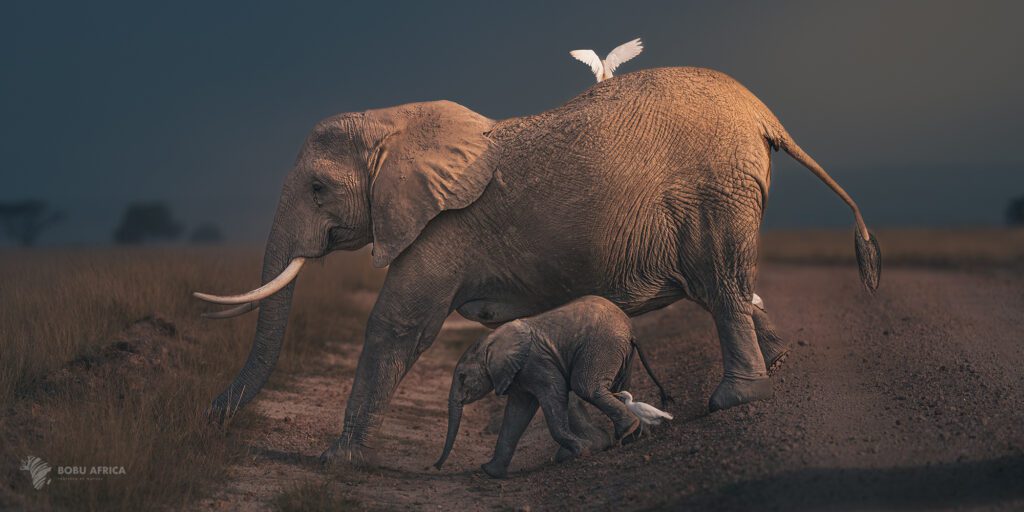
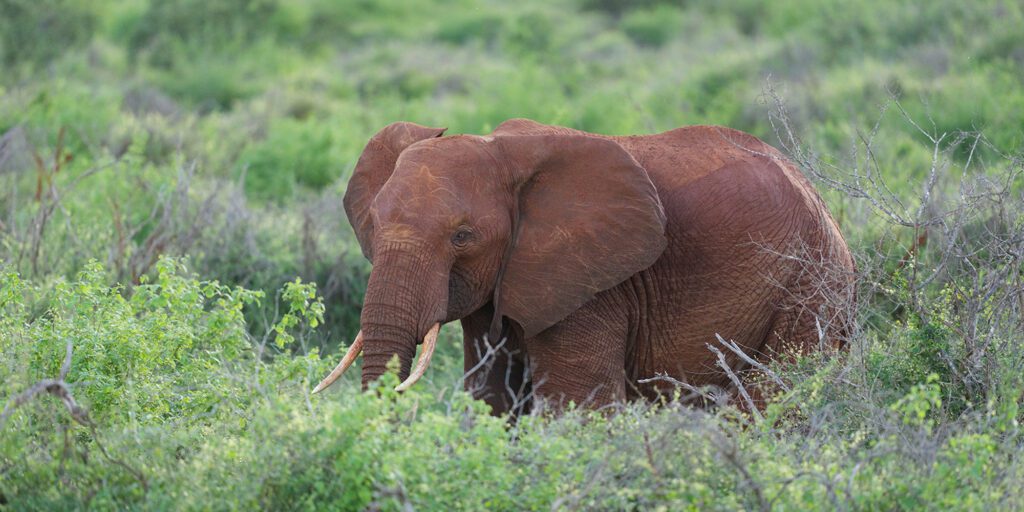
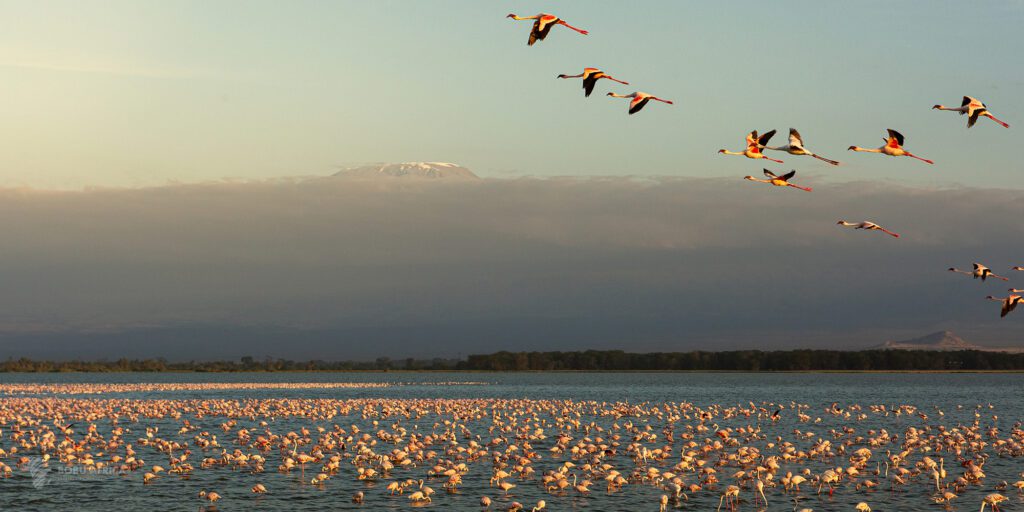
Where the Mara gives classic safari breadth, Amboseli gives atmosphere. The elephant encounters are a major draw. The landscape feels more open and dust-washed. The visual possibility of Kilimanjaro in the background gives the trip a second identity that clients can remember easily.
For first-time travelers, that contrast matters. A successful first safari often needs more than wildlife quantity. It needs variety in mood.
Amboseli also works commercially because it helps agencies package a two-ecosystem Kenya route that feels complete without becoming overbuilt. It is a much more useful addition to a first product than simply adding another stop because the map seems too short.
In field terms, Amboseli is less about volume of famous moments and more about giving the safari a second visual language.
Ngorongoro in Tanzania
Ngorongoro (Tanzania) is one of the most recognizable safari destinations in Africa and often deserves a place in a first Tanzania-led product, but it needs to be understood correctly.
Its strength is not that it replaces a larger safari ecosystem. Its strength is that it gives immediate recognizability, high first-time impact, and a concentrated wildlife experience that helps clients feel they are in a truly distinct landscape.
Ngorongoro works particularly well inside a northern Tanzania first product because it creates a strong structural middle point between Tarangire and Serengeti, or a dramatic early anchor before moving deeper into the trip.
The key is not to oversell it as the whole answer. It is one of the must-see destinations in a first Africa product when it works as part of a sequence, not when it is expected to carry the whole safari emotionally by itself.
Serengeti in Tanzania
If the agency wants a first Tanzania product that feels globally legible, Serengeti (Tanzania) is almost always central.
Serengeti works because it carries one of the strongest wildlife identities in Africa. The scale feels real even to travelers who have never been before. The name itself helps sell the trip. And for many guests, the sense of being in the Serengeti delivers a kind of safari legitimacy that fewer destinations can match.
That said, Serengeti should not be added only because it is famous. It belongs in a first Africa product because it supports a clear travel promise: wide-space safari, serious wildlife credibility, and room for a fuller East Africa emotional arc.
For first-time travelers, Serengeti is less about subtle specialization and more about delivering the idea of Africa in a way that feels deserved.
Tarangire in Tanzania
Tarangire (Tanzania) is not always the first name an international client mentions, but it is often one of the smartest destinations in a first Tanzania product.
That is exactly why it has Purple Cow value.
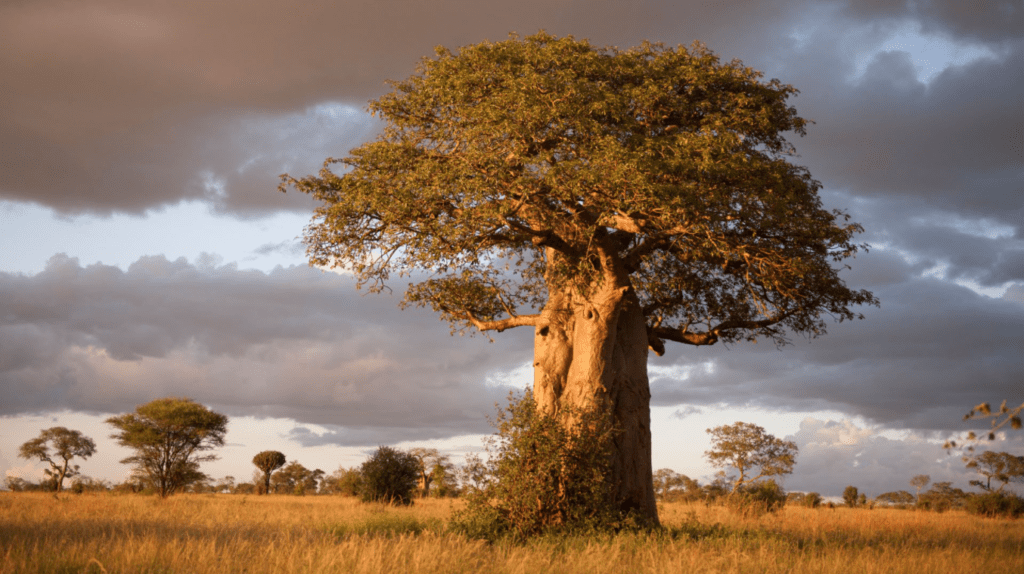
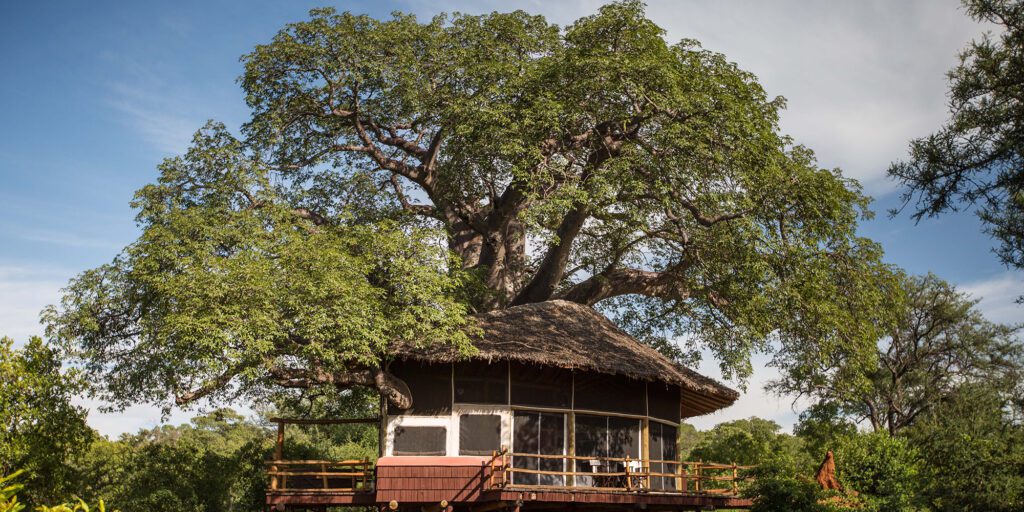
Tarangire strengthens a northern Tanzania route because it gives the itinerary shape, especially in drier periods. Elephant movement, baobab country, and a slightly less over-signaled safari mood all help make the product feel layered rather than formulaic.
For agencies, Tarangire is useful because it improves the quality of the Tanzania product without making it harder to sell. It also helps avoid the mistake of treating Ngorongoro and Serengeti as the only names that matter.
In field terms, Tarangire is less about headline fame and more about making the entire northern Tanzania sequence work better.
Which destinations do not need to be in every first Africa product
This is where agencies often overbuild.
A first Africa product should not try to include every good place. Some destinations are superb, but not essential for every entry-level safari offer.
Samburu in Kenya
Samburu (Kenya) is excellent, especially for repeat travelers, birders, and guests who respond well to drier northern character. But it is not compulsory in every first Africa product.
Its value is strongest when it adds a deliberate contrast, not when it is inserted because the itinerary feels too ordinary.
Zanzibar in Tanzania
Zanzibar can be a strong safari-and-beach extension, but it should not automatically be fused into every first Africa core product. For some agencies, a standalone safari product will convert better than a blended safari-beach structure that introduces too many moving parts too early.
Laikipia in Kenya
Laikipia can be deeply rewarding, especially for premium repeat travelers and conservation-minded clients, but it is usually a second-wave destination in commercial portfolio building rather than a universal must-see for every first product.
The smartest first Africa destination combinations
The strongest first Africa products are usually built around combinations, not isolated icons.
Kenya first product: Maasai Mara and Amboseli
This remains one of the cleanest entry products in East Africa.
Why it works:
- The names are recognizable
- The wildlife promise is easy to explain
- The landscapes feel different enough to create contrast
- The product suits a 6 to 8 night structure well
- It is easy for first-time travelers to picture
For many agencies, this is a better first Africa product than a more ambitious Kenya circuit because it keeps the route legible.
Tanzania first product: Tarangire, Ngorongoro, and Serengeti
This is often the strongest first Tanzania answer.
Why it works:
- It gives one-country clarity
- It balances fame and route quality
- It offers progression rather than repetition
- It feels complete without becoming cluttered
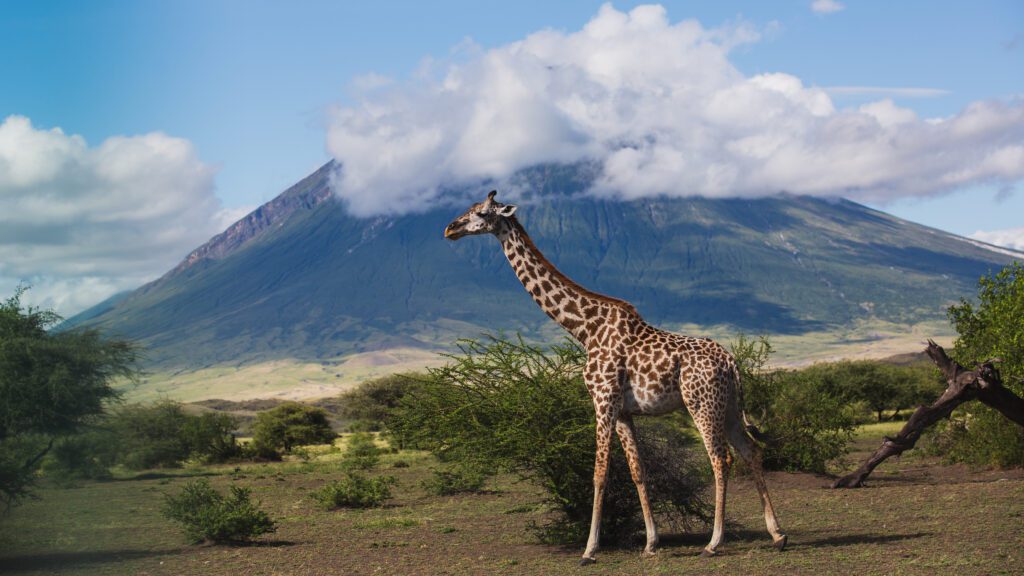
At Bobu Africa, we usually treat 6 to 8 nights as the practical baseline for a strong northern Tanzania first safari. Below that, the route often starts to feel too compressed to deliver its full value.
Kenya and Tanzania together only if the trip length supports it
Agencies are often tempted to combine the icons immediately. Maasai Mara, Amboseli, Ngorongoro, Serengeti. It sounds powerful, but it is not always smart for a first product.
One transfer day often costs two prime wildlife windows. That trade-off matters. If a combined Kenya and Tanzania itinerary does not have enough time, it stops feeling rich and starts feeling rushed.
A cross-border first Africa product can work, but usually only when:
- The client has enough nights
- The budget supports clean logistics
- The route has one clear wildlife logic
- The agency can explain why the combination is better than a cleaner one-country option
The commercial side: why fewer must-see destinations often sell better
There is an overlooked truth in first-product design. Famous destinations help sell safari, but too many famous destinations in one package can actually weaken the product.
That happens for three reasons.
First, the route becomes harder to understand. A first-time traveler is more likely to book when the product makes sense quickly.
Second, the price rises faster than the perceived value. Once that happens, the agency has to work much harder to defend the quote.
Third, the safari can become more tiring than memorable. The client remembers transitions instead of the actual field rhythm.
Three nights usually means six prime field sessions. That kind of countable logic is useful because it reminds agencies that destination value comes from time inside the place, not just from adding another name to the route.
How agencies should decide what belongs in a first Africa product
A few practical filters help.
- Choose destinations that are easy to explain
If the destination needs too much interpretation to sound attractive, it may be better for a second-wave product.
- Choose destinations that create contrast
A good first Africa product often benefits from at least two different moods, such as plains and elephants, or crater and open ecosystem.
- Choose destinations that protect field time
A destination is not automatically must-see if it weakens the safari through too much movement.
- Choose destinations that support one clear buyer type
A first-safari product, a family safari, and a photography trip should not all rely on the same place list or the same logic.
- Choose destinations that agencies can defend commercially
The first Africa product should be easy to sell, easy to trust, and difficult to reduce to simple room-rate comparison.
Practical travel advice for building a first Africa product
If your agency is designing its first safari product, a few rules are worth following:
- Start with one-country clarity before forcing a cross-border icon list
- Use two or three destinations, not five
- Build around recognizable places, but let route logic decide the final shape
- Avoid adding a destination only because it looks good in marketing copy
- Make sure each place has a role in the traveler’s emotional journey
In real safari planning, more icons usually mean more movement. More movement usually means fewer quality wildlife sessions. That is why a cleaner first Africa product often outperforms a more famous but more crowded one.
So which destinations should be in every agency first Africa product
Not every agency needs the exact same lineup, but the strongest first-product building blocks are usually these:
- Maasai Mara for classic safari recognition and wildlife credibility
- Amboseli for elephant atmosphere and visual contrast in a Kenya product
- Serengeti for scale and first-time Tanzania legitimacy
- Ngorongoro for recognizability and concentrated impact in a Tanzania route
- Tarangire for strengthening the northern Tanzania sequence with less obvious but very useful field value
The common principle is more important than the checklist itself. The best first Africa product uses must-see destinations that work together, not famous places that merely sit beside each other on a map.
FAQ
Should every first Africa safari product include Maasai Mara?
Not always, but for many agencies Maasai Mara is one of the strongest first-product anchors because it is easy to explain, highly recognizable, and emotionally effective for first-time safari travelers.
Is Ngorongoro enough on its own for a first Tanzania safari product?
Usually no. Ngorongoro is powerful, but it works best as part of a broader northern Tanzania sequence rather than as the whole emotional core of the safari.
Is it better to combine Kenya and Tanzania in a first Africa product?
Usually only if the client has enough time and budget. For many agencies, a cleaner one-country first product in Kenya or northern Tanzania converts better than an overbuilt cross-border itinerary.
Which less obvious destination improves a first Tanzania product the most?
Tarangire often does. It may not carry the same global name recognition as Serengeti or Ngorongoro, but it gives the route structure, elephant strength, and a more layered field rhythm.
- A field-smart closing note
The must-see destinations in a first Africa product are not simply the most famous ones. They are the places that help a first-time traveler understand the safari quickly, feel genuine contrast in the field, and come away with a journey that feels coherent rather than crowded.
If you are shaping a first Africa safari product for premium travelers, photographers, birders, families, or first-time East Africa guests, Bobu Africa can help refine the destination mix, route logic, and field positioning so the trip works as a professional safari solution rather than a famous-name collage.
FAQ
Q: Should every first Africa safari product include Maasai Mara?
A: Not always, but for many agencies Maasai Mara is one of the strongest first-product anchors because it is easy to explain, highly recognizable, and emotionally effective for first-time safari travelers.
Q: Is it better to combine Kenya and Tanzania in a first Africa product?
A: Usually only if the client has enough time and budget. For many agencies, a cleaner one-country first product in Kenya or northern Tanzania converts better than an overbuilt cross-border itinerary.
Plan Your Journey
If you are building a first Africa safari product and want the destination mix to feel sharper, more sellable, and more field-logical, Bobu Africa can help shape the route and positioning so the journey works as a confident first Africa answer, not just a list of famous names.