


The real challenge in mixed safari travel
On paper, planning a safari for photographers and non-photographers sounds simple. Pick great parks, book comfortable camps, and include a few game drives every day. In the field, that approach often breaks down by day two.
The photographer starts to feel rushed and blocked by timing. The non-photographer starts to feel trapped by long waits and repetitive sessions. Both feel the trip is leaning toward someone else. It is a common problem across the Mara ecosystem, Amboseli, Samburu, Serengeti, Ndutu, Tarangire, and Ngorongoro.
In field terms, this is less about personality and more about itinerary architecture. A photographer measures success through light, positioning, and repeat opportunities. A non-photographer often measures success through comfort, story, variety, and ease. If one itinerary ignores either measurement system, the group loses trust in the plan.
A strong safari is not defined by one dramatic sighting, but by repeated high-quality field sessions. That principle applies to everyone in the vehicle, not only the person with a long lens.
Two value systems sharing one vehicle
Before choosing country, camp, or month, define the two value systems clearly.
What photographers usually need
- Dawn and late afternoon sessions protected from transfer noise
- Enough time to wait for movement and clean angles
- Repeat access to productive zones
- A guide who reads light and background, not only species checklist
- Flexibility to stay with a developing scene
What non-photographers usually need
- Strong wildlife moments without endless technical waiting
- Comfortable pacing with breaks and decent meal rhythm
- Interpretation that makes sightings meaningful
- Variety in habitat and daily feel
- Confidence that the trip is not only a camera mission
At Bobu Africa, we usually treat these needs as co-equal design targets. If one side is treated as secondary, mixed-group satisfaction drops quickly even when wildlife is excellent.
Definitional rule that fixes most planning errors
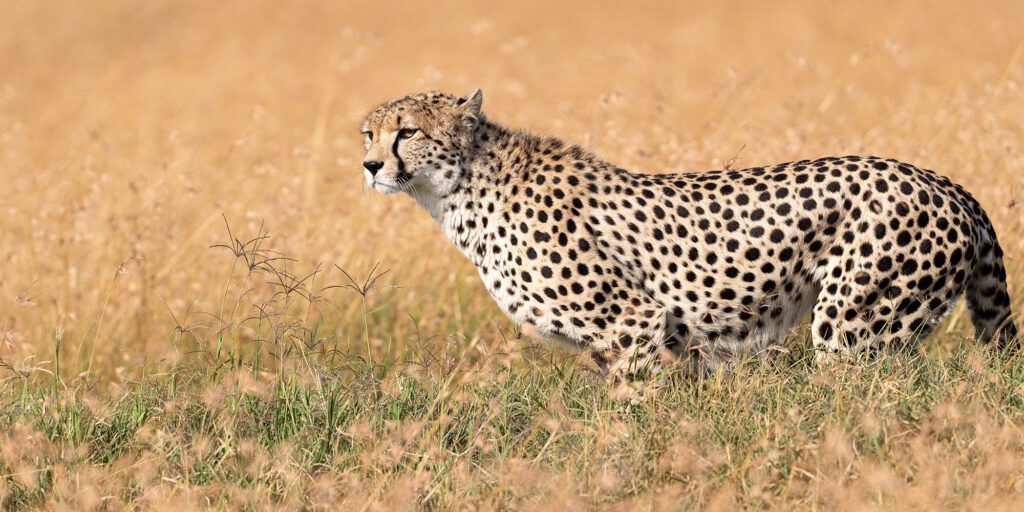
In real safari planning, mixed-group success usually means six to eight prime field sessions over three to four nights in one major ecosystem.
Three nights usually means six prime field sessions. That is often the practical baseline where both photographers and non-photographers start to feel properly rewarded.
Two nights can work in limited-time trips, but it reduces recovery space for weather shifts, guide repositioning, and natural variability. One transfer day often costs two prime wildlife windows. This is the single most useful arithmetic in mixed-group planning.
Why overpacking parks hurts both sides
Many first drafts try to include too many famous names. Mara, Lake Nakuru, Amboseli, then coast. Or Serengeti, Ngorongoro, Tarangire, and back in one short loop. It looks impressive in a brochure but often performs poorly for a shared group.
Photographers lose continuity. Non-photographers lose ease.
Trade-off logic is simple. More destinations create more novelty but less depth. Fewer destinations create less map coverage but stronger field outcomes and lower fatigue.
For mixed groups, depth usually wins.
Start with a split-day structure, not a generic tour clock, A mixed itinerary works best when each day has clear intent.
- Morning block
Early departure for active wildlife, cooler temperatures, and better light. This is a high-value block for photographers and still rewarding for non-photographers because wildlife activity is often naturally high.
- Midday block
Return for rest, brunch or lunch, image backup, pool or camp downtime, and optional short interpretive activity. This protects energy and prevents camera pace from dominating the whole day.
- Afternoon block
Second game drive with a different objective. If morning focused on cats, afternoon can shift to elephants, landscape context, or birds. This keeps non-photographers engaged and gives photographers fresh visual language.
At Bobu Africa, we usually treat split-day rhythm as the practical baseline for mixed groups in Maasai Mara, Amboseli, and Serengeti sectors.
Guide choice is more important than camera gear
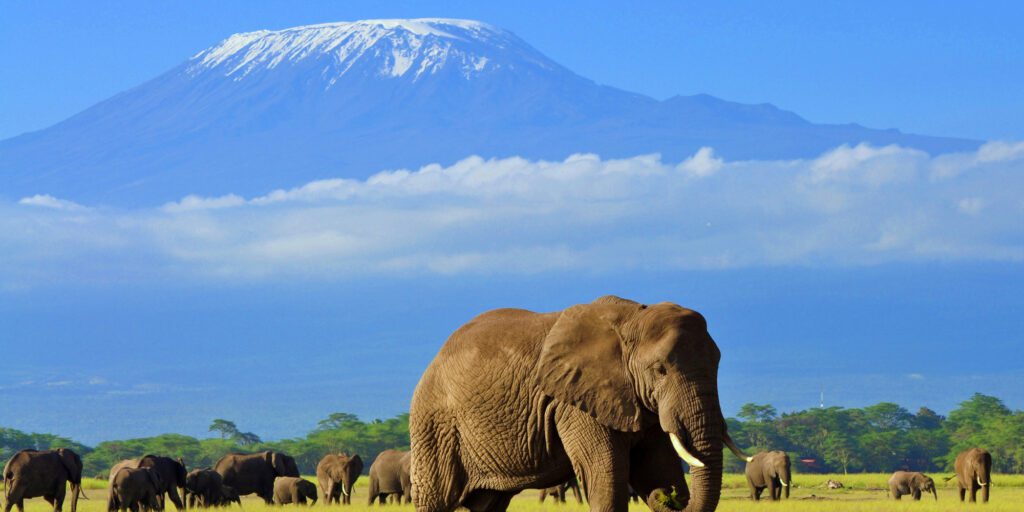
Mixed-group safari quality is often decided by guide skill, not by lodge category.
A strong mixed-group guide can:
- Narrate ecology in plain language for non-photographers
- Position vehicle with visual discipline for photographers
- Manage waiting time so patience does not feel empty
- Decide when to hold a scene and when to move
- Keep group morale steady during slower drives
Ask specific pre-trip questions:
- Does the guide have experience with serious photographers and families in one vehicle
- Can the guide adapt between close behavior work and broader interpretation
- Is guide continuity guaranteed across all nights in each ecosystem
In the Mara ecosystem, location matters more than room glamour when field hours are limited. The same is true for guide assignment.
Vehicle setup rules for mixed groups
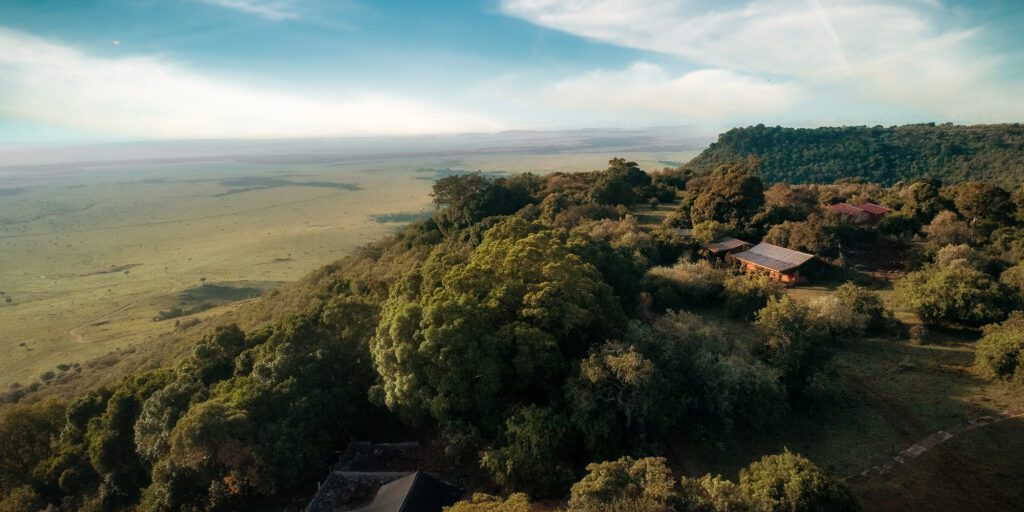
A mixed vehicle should support both viewing comfort and shooting function.
Recommended practical setup:
- One private vehicle for the group whenever budget allows
- Open or flexible roof with stable shooting support
- Enough seat rotation logic so no one feels locked into poor angles
- Clear rule on quiet moments during critical sightings and interpretation moments after
If group size is large, consider two vehicles with coordinated radio communication and planned meet points. This can reduce friction dramatically, especially when one subgroup wants extended waiting and another wants broader movement.
Country and ecosystem choices for mixed goals
Kenya and Tanzania can both work well. The key is choosing ecosystems with natural balance between action and ease.
Kenya combinations
- Maasai Mara plus conservancy pairing for density and lower-pressure sessions
- Amboseli plus Mara for elephant scale, mountain mood, and predator variety
- Samburu plus Mara for visual contrast and strong guiding opportunities
Tanzania combinations
- Central or southern Serengeti plus Ngorongoro for depth and concentrated variation
- Tarangire plus Ngorongoro plus Serengeti for broad landscape and species contrast
- Ndutu seasonally for photographers, balanced with calmer days for non-photographers
Connect place names to function. Choose each area for what it contributes to group balance, not only keyword fame.
How many nights per area for mixed groups
Practical thresholds help avoid vague planning.
- Two nights per major area is minimum workable, often rushed
- Three nights per key area is practical baseline
- Four nights in one primary area is strong for photo depth and non-photo comfort
If total trip is seven to nine safari days, one primary ecosystem plus one secondary ecosystem often outperforms three quick stops.
For photographers, this provides repeated attempts in changing light. For non-photographers, this reduces suitcase fatigue and keeps attention high.
Designing the daily objective so everyone feels included
Give each drive a declared theme.
Examples:
- Morning cat tracking and behavior reading
- Afternoon elephant families and landscape context
- Bird-focused dawn session around marsh edges
- Storytelling drive for ecology, migration logic, and local conservation
When objectives are clear, non-photographers understand why waiting matters. Photographers also benefit because the group knows when patience is part of the plan and when movement is expected.
Practical communication rules inside the vehicle
Small communication habits prevent most mixed-group tension.
- Agree before first drive on waiting tolerance, usually in ten to fifteen minute blocks
- Define signal words for hold, move, and reset
- Let guide announce reason for staying or leaving a scene
- Schedule one daily debrief at camp, short and clear
This is not over-management. It is operational clarity.
What photographers can do to support group quality
Photographers also carry responsibility in shared trips.
- Avoid hero-shot mindset on every sighting
- Prioritize quality over endless burst volume in moderate scenes
- Communicate lens-change needs early, not at peak action moment
- Accept that some drives are group-focused, not portfolio-focused
For photographers, mixed travel is less about headline spectacle and more about full-trip consistency. If you leave with fewer but stronger frames and a happy group, the plan worked.
What non-photographers can do to support field outcomes
Non-photographers can improve trip quality without becoming camera people.
- Embrace early starts as the most rewarding wildlife window
- Treat waiting as part of the story, not wasted time
- Use binoculars and ask interpretation questions during hold periods
- Use midday for rest so afternoon engagement stays high
Most non-photographers enjoy the trip more once they understand why positioning and timing matter.
Camp selection for mixed groups
Choose camps by operational function first.
Key criteria:
- Drive-time access to productive zones
- Flexibility on early departures and meal timing
- Quiet and efficient logistics for image backup and battery charging
- Comfortable communal space for non-photographers during downtime
Luxury matters, but logistics matter more in mixed-group success. A beautiful camp far from key routes can reduce field quality for everyone.
Budget trade-offs that actually matter
Mixed trips often face budget pressure. Use trade-off logic instead of random cuts.
Better places to invest:
- Private vehicle and strong guide
- One extra night in primary ecosystem
- Location-efficient camp
Better places to simplify:
- Excessive park count
- Decorative upgrades that do not improve field access
- Unnecessary long transfer loops
If budget is fixed, keep nights and guide quality in core areas, then reduce non-essential complexity.
Seasonal strategy for mixed objectives
Season choice affects group dynamics.
Peak dry windows
Pros:
- Easier movement and predictable logistics
- Strong concentration in some systems
Cons:
- More vehicles in hotspot areas
- Higher pressure around major sightings
Green and shoulder windows
Pros:
- Richer atmosphere for photography
- Lower crowd pressure in many zones
- Calmer camp feel
Cons:
- Weather variability requires flexibility
- Some tracks can be slower
For mixed groups, shoulder windows can be excellent when expectations are clear and route planning is resilient.
Example seven-night mixed safari architecture
This is a structural example, not a fixed template.
- Day 1 arrival and recovery night near gateway city
- Day 2 transfer to primary ecosystem and afternoon orientation drive
- Day 3 full split-day wildlife sessions
- Day 4 full split-day with alternate objective focus
- Day 5 final morning session then move to secondary ecosystem
- Day 6 split-day with broader interpretation and lighter photo pressure
- Day 7 choice-based morning, short farewell field session, return logistics
Why this works:
- Protects multiple dawn and dusk blocks
- Offers photographers repeat access in one core area
- Gives non-photographers variation and breathing space
- Avoids constant repacking fatigue
Common failure patterns and how to correct them
Failure pattern one: The trip is secretly built only for photographers.
Correction: Build non-photo objectives into every day and communicate them.
Failure pattern two: The trip is built only for comfort and movement.
Correction: Protect at least six prime field sessions in one ecosystem.
Failure pattern three: Too many transfers in a short itinerary.
Correction: Remove one stop and add one night where wildlife quality is highest.
Failure pattern four: No pre-agreed field rules.
Correction: Set waiting limits, seat logic, and drive objectives before first departure.
Failure pattern five: Guide not briefed on mixed priorities.
Correction: Share group profiles and goals in writing before arrival.
Field checklist before you confirm booking
- Have we protected at least six prime sessions in one key ecosystem
- Is one transfer day removing two prime windows unnecessarily
- Is the guide profile suitable for mixed travelers
- Is vehicle configuration private and flexible enough
- Does each day have a clear objective
- Are camp locations close enough to productive areas
- Is the pace realistic for both image-making and enjoyment
If most answers are yes, the plan is structurally strong.
Final field editor perspective
Mixed safari groups do not need compromise in the negative sense. They need better design. The winning itinerary is neither a hard-core photo expedition nor a passive sightseeing loop. It is a professionally paced field plan where each traveler feels their priorities were respected and translated into daily choices.
When planning is done well, photographers return with coherent portfolios, not random action fragments. Non-photographers return with clear memories, richer understanding, and none of the frustration that comes from feeling sidelined by camera priorities.
At Bobu Africa, we usually treat mixed safaris as creative logistics problems with emotional outcomes. The technical side is straightforward once the rhythm is right. Protect prime sessions, reduce transfer waste, assign the right guide, and let each day carry one clear purpose. That is how one itinerary serves two audiences without diluting either experience.
FAQ
Q: What is the minimum number of nights for a mixed group safari to work well
A: Three nights in one major ecosystem is the practical baseline for most mixed groups. It usually creates six prime field sessions, which is enough for photographers to build consistency and for non-photographers to feel real immersion.
Q: Should photographers and non-photographers split into separate vehicles
A: If budget allows, two coordinated vehicles can reduce friction in larger groups. For smaller groups, one private vehicle usually works well when daily objectives, waiting limits, and guide communication are clear from day one.
Plan Your Journey
If you are planning a shared safari with different expectations in one group, Bobu Africa can help you shape a field-smart itinerary that balances image quality, wildlife depth, and travel comfort through practical pacing, strong guide pairing, and location-led route design.