

If you’re looking for the best national parks in Africa for wildlife photography, here are the top destinations that deliver exceptional results:
- Maasai Mara National Reserve – Best for big cats and the Great Migration
- Serengeti National Park – Endless plains and year-round wildlife action
- Kruger National Park – Reliable Big Five sightings and easy access
- Chobe National Park – Large elephant herds and river photography
- Etosha National Park – Unique salt pans and waterhole wildlife
- South Luangwa National Park – Excellent for leopards and raw safari experiences
- Okavango Delta – Water-based safaris and diverse ecosystems
These parks offer the best combination of wildlife density, scenery, and photographic opportunities across Africa.
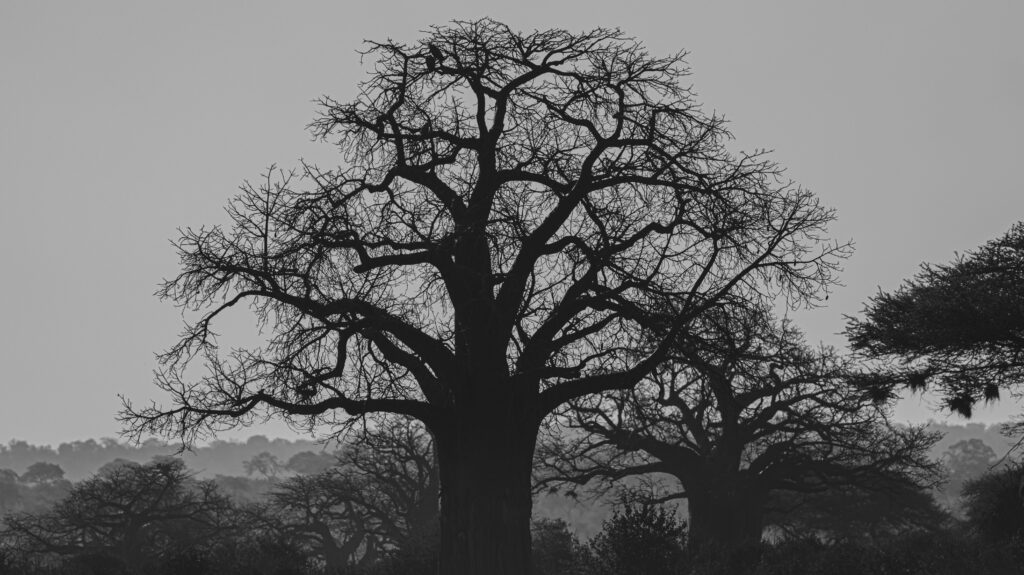
Ask most travelers about the best national parks in Africa for wildlife photography, and the conversation usually starts with fame. Serengeti. Maasai Mara. Kruger. Maybe Chobe. Those names deserve their reputation, but fame and photographic usefulness are not quite the same thing. A park can be legendary for wildlife and still be difficult for consistent image-making if the light is harsh, the habitat is too closed, the vehicle density is high, or sightings are too rushed.
That is the distinction photographers learn quickly in the field. Great wildlife photography is rarely built on one lucky sighting. It is built on repeatable access, good angles, calm field time, and landscapes that help the subject instead of fighting it. In field terms, the best park is often the one that gives you six strong sessions in a row, not the one that gives you one famous sighting and five compromised ones.
At Bobu Africa, we usually treat repeated high-quality field sessions as the practical baseline for a strong photography safari. For photographers, a great park is less about headline spectacle and more about light, background control, subject behavior, and the chance to work a scene properly.
That is the thinking behind this list. These parks matter not only because the wildlife is exceptional, but because they tend to reward photographers in a more dependable way.
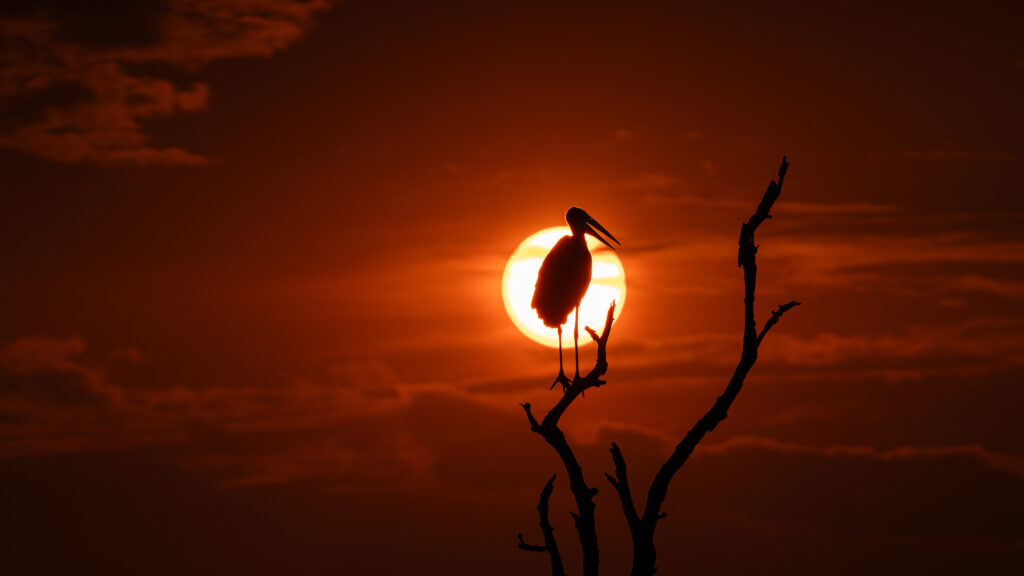
What makes a national park good for wildlife photography
Before naming parks, it helps to define the standard. In real safari planning, a strong wildlife photography destination usually means five things: reliable animal density, habitat that allows clean visual separation, workable vehicle positioning, enough time in the field, and a season that matches your goals.
One transfer day often costs two prime wildlife windows. Three nights usually means six prime field sessions. That simple rule matters because photographers do not build a portfolio from park names. They build it from mornings and late afternoons. If too much of the itinerary disappears into travel, check-in, or road repositioning, even excellent parks start producing thin results.
In our 15 years of field operation across East Africa, we see this mistake most often: travelers choose destinations based on general safari reputation instead of photographic conditions. The result is often a trip that feels exciting in conversation but uneven in the final image edit.
1. Maasai Mara, Kenya
Maasai Mara, Kenya, remains one of Africa’s strongest wildlife photography parks because it combines rich predator density, open grassland, river systems, and relatively readable animal movement. For photographers, that matters more than brand value alone. The openness of the landscape makes it easier to isolate subjects, track interactions, and work with early and late light.
The Mara is especially strong for big cat photography, plains game composition, and raptor opportunities around kills and open movement corridors. In the right season, the migration adds scale and motion, but the Mara does not depend entirely on migration to perform photographically. Even outside peak crossing periods, it remains one of the most consistently useful parks on the continent.
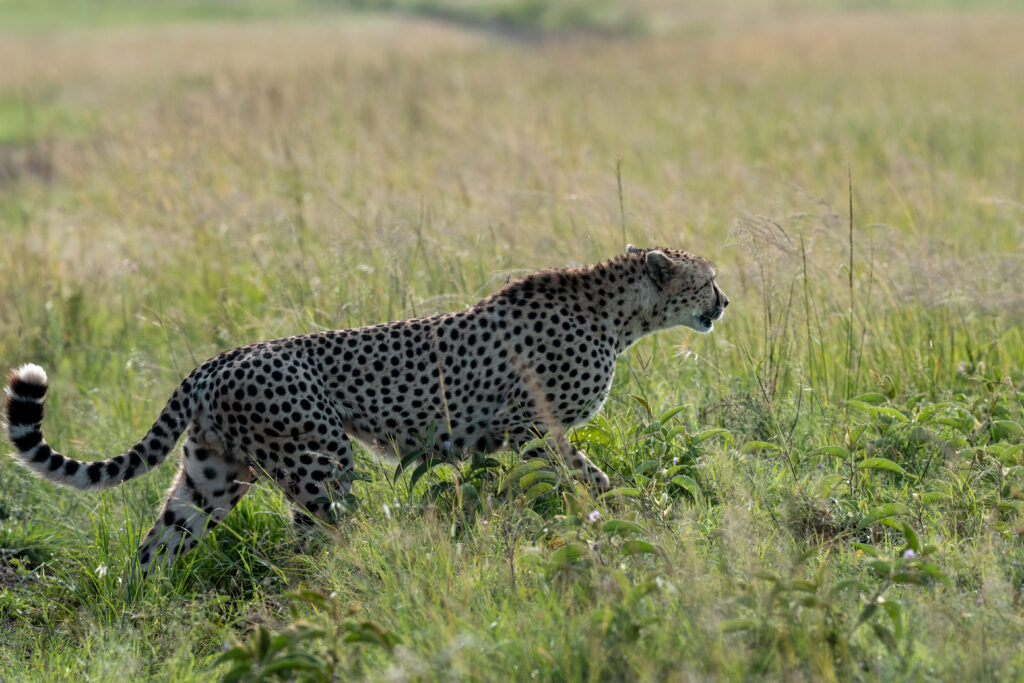
In the Mara ecosystem, location matters more than room glamour when field hours are limited. A beautifully designed camp in the wrong area can cost you repeated access to strong morning setups.
Practical advice: photographers should prioritize camp position, vehicle flexibility, and guide quality over pure luxury finish. Three nights is usually the minimum worth considering if photography is the main reason for going.
2. Serengeti, Tanzania
Serengeti, Tanzania, is not just famous. It is photographically deep. What makes it special is scale combined with variation. Open plains, kopjes, seasonal movement, river lines, and shifting wildlife concentrations all create different image languages inside one ecosystem.
For photographers, the Serengeti rewards patience. It is not only about witnessing drama. It is about being able to return to strong habitat structures repeatedly and work different subjects in changing light. Lion on granite outcrop, cheetah in open short grass, elephants against distant storm light, vultures around a carcass, migration lines in dust, all of these can belong to the same trip without feeling visually repetitive.
The trade-off is that Serengeti is large enough to punish poor route planning. If you stay in the wrong sector for your season, the experience can feel far thinner than expected.
Practical advice: match the region of the Serengeti to the time of year. South for calving and green-season texture, west for corridor timing, north for river-crossing season, central for flexibility and resident game.
3. Amboseli, Kenya
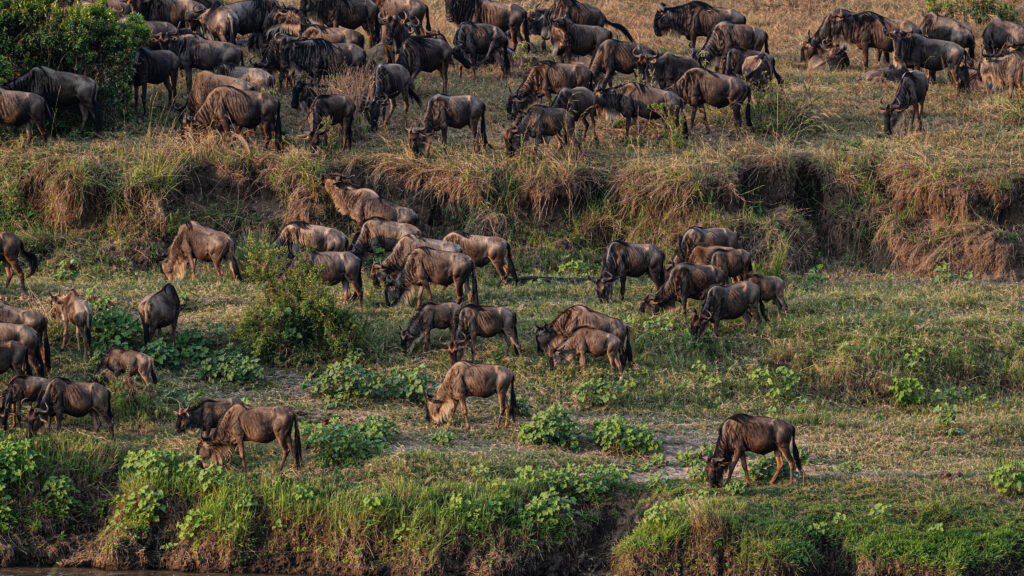
Amboseli, Kenya, is one of the most photographically distinctive parks in Africa, not because it has the highest species count, but because it has one of the clearest visual identities. Elephants moving across open plains with Mount Kilimanjaro behind them remains one of the continent’s classic frames for a reason.
But Amboseli is stronger than the postcard version suggests. The park’s open structure, dust, swamp edge, seasonal reflections, and broad skies allow photographers to create layered images rather than just record sightings. It is especially rewarding for elephant work, environmental portraiture, and clean mammal compositions where the setting carries as much weight as the subject.
In field terms, Amboseli is less about variety and more about graphic strength. That is why it belongs on a photography list even though it may not be the most species-rich safari park overall.
Practical advice: go with realistic expectations. Amboseli is not about constant novelty. It is about repeatedly strong elephant and landscape-driven wildlife imagery, especially in first light and when Kilimanjaro is visible.
4. South Luangwa, Zambia
South Luangwa is one of Africa’s finest parks for photographers who care about behavior, atmosphere, and intimate fieldwork. The Luangwa River system, oxbow lagoons, woodland, and high game density create a setting where predator, prey, and river life often intersect in visually rich ways.
This is a park that rewards observation as much as spectacle. Leopard photography is one obvious draw, but the deeper strength of South Luangwa is the feeling that scenes have room to develop. The best images here often come from staying with animal movement a little longer, not from rushing to the next vehicle-radio report.
Practical advice: this is a park worth giving time to. At Bobu Africa, we usually treat four nights as the practical baseline for photographers who want more than a fast highlight reel.
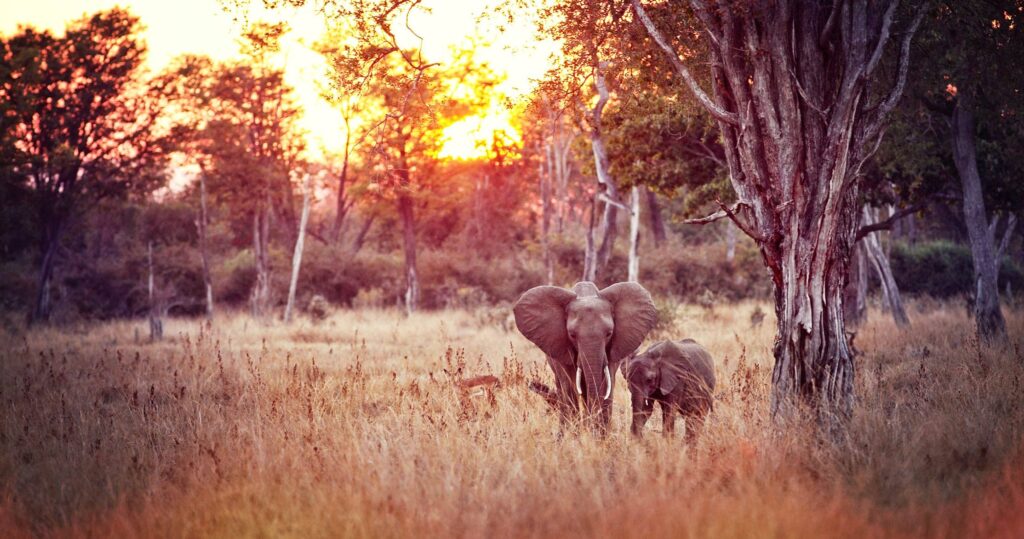
Photo: South Luangwa National Park
5. Lower Zambezi, Zambia
Lower Zambezi offers one of Africa’s most elegant photography combinations: river setting, strong mammal density, varied activity, and a sense of space that feels less crowded than some of the better-known circuits. The mix of land and water changes the visual rhythm of the safari and gives photographers more compositional range.
Elephants at the riverbank, buffalo crossing, reflections, low-angle canoe perspectives in the right context, and layered winter light make Lower Zambezi especially compelling for travelers who want their portfolio to feel more atmospheric and less predictable.
Practical advice: if you want a safari that balances classic wildlife with a more refined visual mood, Lower Zambezi is one of the strongest choices in Africa. It is especially good for photographers who value setting as much as subject.
6. Kruger National Park, South Africa
Kruger remains one of Africa’s great wildlife photography parks because of its scale, biodiversity, infrastructure, and seasonal flexibility. It is not always the most romantic answer, but it is one of the most practical and productive.
The park offers serious potential for big cats, elephants, rhino, birds, and varied habitat photography, but its real strength is photographic repeatability. You can work different regions, different textures, and different species profiles without leaving the same broader conservation landscape.
The trade-off is that Kruger can feel very different depending on where and how you stay. Public roads, private concessions, southern density, and northern openness all shape the experience dramatically.
Practical advice: photographers should be specific about goals before choosing their Kruger style. In real safari planning, Kruger usually means range and consistency, but not every part of the system delivers the same visual experience.
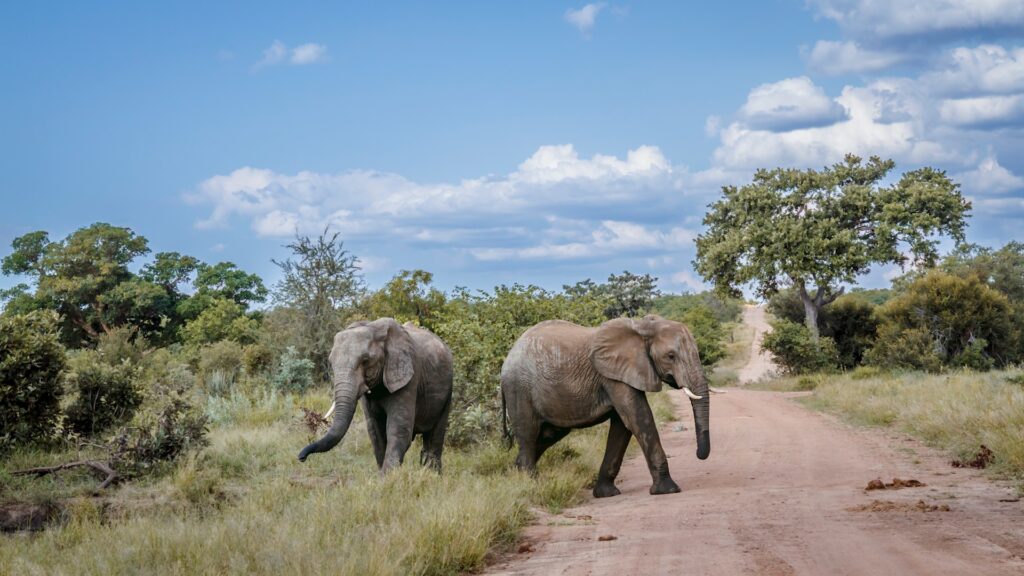
Photo: &beyond Ngala private Game Reserve
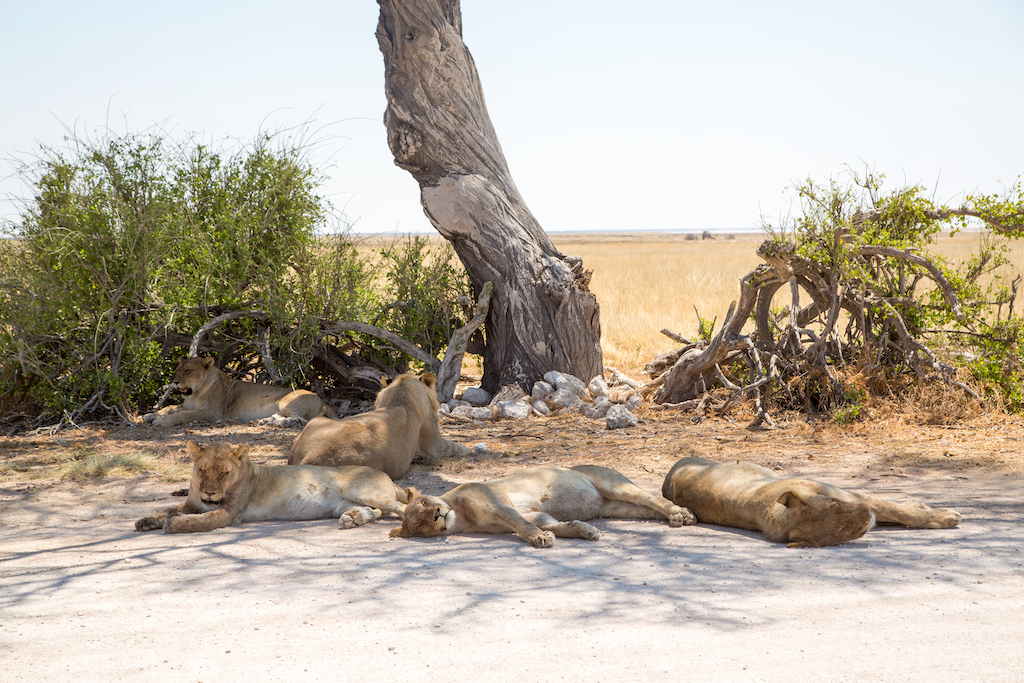
7. Etosha, Namibia
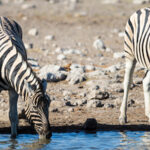
Etosha, Namibia, is one of the clearest examples of a park that matters photographically because of field conditions, not because it is the most fashionable safari name. The dry, pale, mineral-rich landscape strips away visual clutter. Waterholes become stages. Negative space becomes part of the image.
This is where photographers can build stark, graphic, highly controlled wildlife images that feel very different from East Africa’s green-season richness. Elephant, giraffe, springbok, lion, and black rhino can all be rendered with a cleaner visual language here.
For photographers, Etosha is less about lush abundance and more about shape, spacing, dust, tone, and restraint. That is exactly why it deserves a place on this list.
Practical advice: if you like minimalist compositions and stronger use of negative space, Etosha is one of Africa’s best parks. Stay long enough to work different waterholes at different times of day.
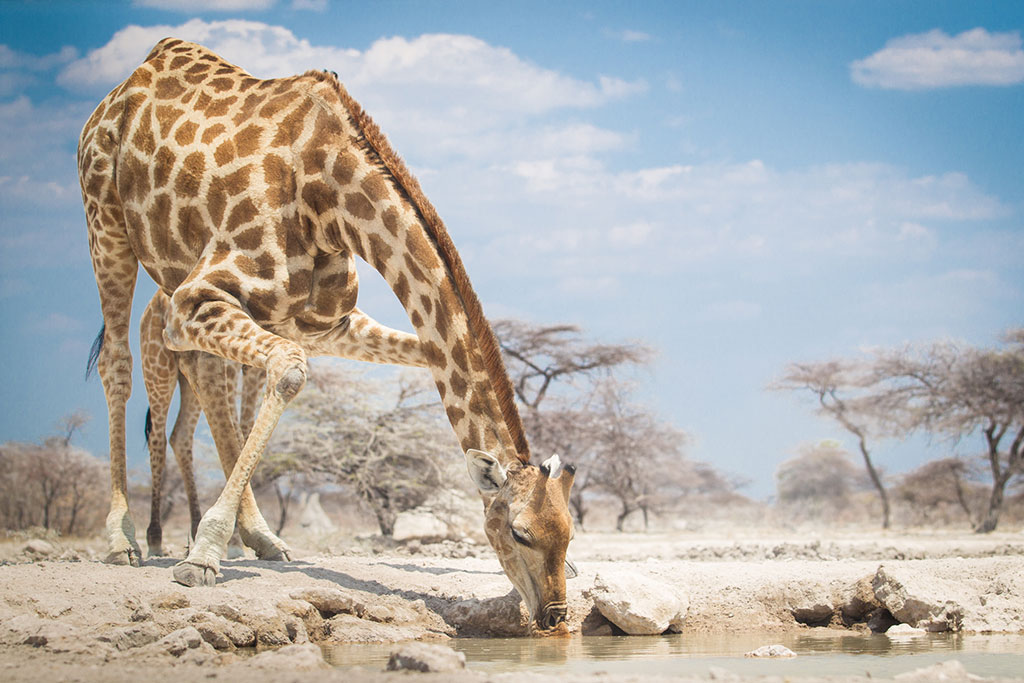
Photo: Etosha National Park
8. Chobe National Park, Botswana
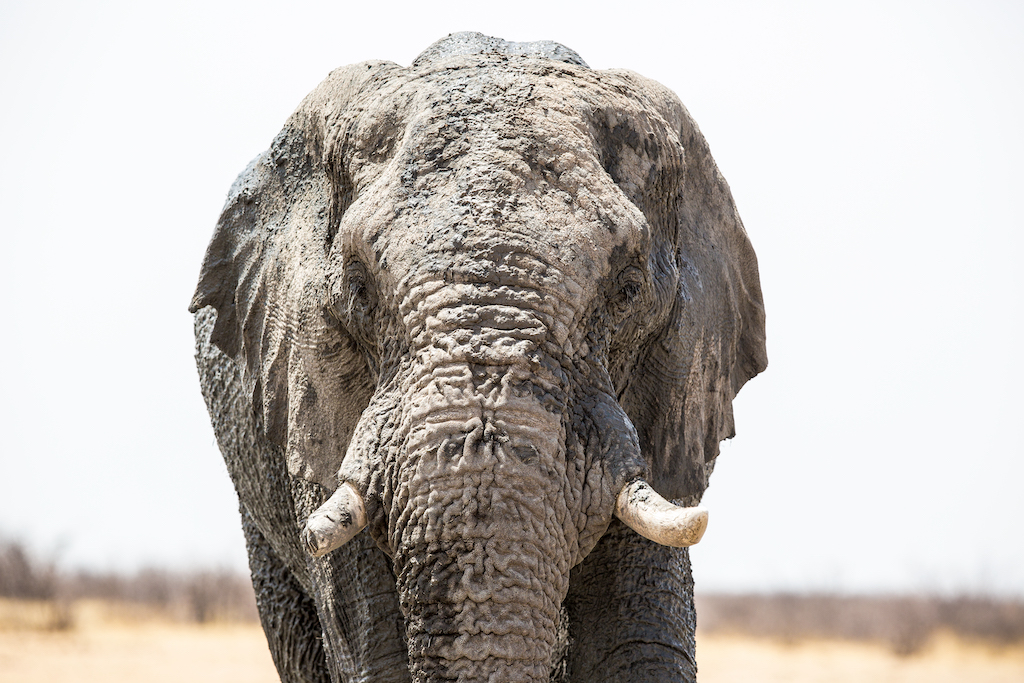
Chobe is often mentioned for elephant numbers, and that part is true, but the more interesting photographic point is how river, floodplain, woodland, and seasonal concentration interact. It can produce large-scale wildlife scenes with genuine energy, especially when elephant movement and river life overlap.
The park is particularly strong for travelers who want density and action, but it needs handling carefully. Some areas and timings can feel busy, and that can affect both the pace of photography and the quality of positioning.
Practical advice: Chobe works best when approached with clear priorities. If river-based photography and elephant movement are key goals, it can be excellent. If your aim is quiet, highly controlled predator work, it may not always be the most refined fit.
9. Hwange National Park, Zimbabwe
Hwange is one of Africa’s most satisfying parks for photographers who like a balance of scale, mood, and grounded wildlife encounters. It is especially strong for elephants, dry-season waterhole activity, and images that carry a sense of space without losing subject intimacy.
What makes Hwange stand out is that it often feels less overexposed in the travel imagination than some of the more famous safari names, yet it delivers image-making opportunities of very high quality. Waterhole setups, dust, dry grass, and patient observation can all combine into a portfolio that feels classic without feeling generic.
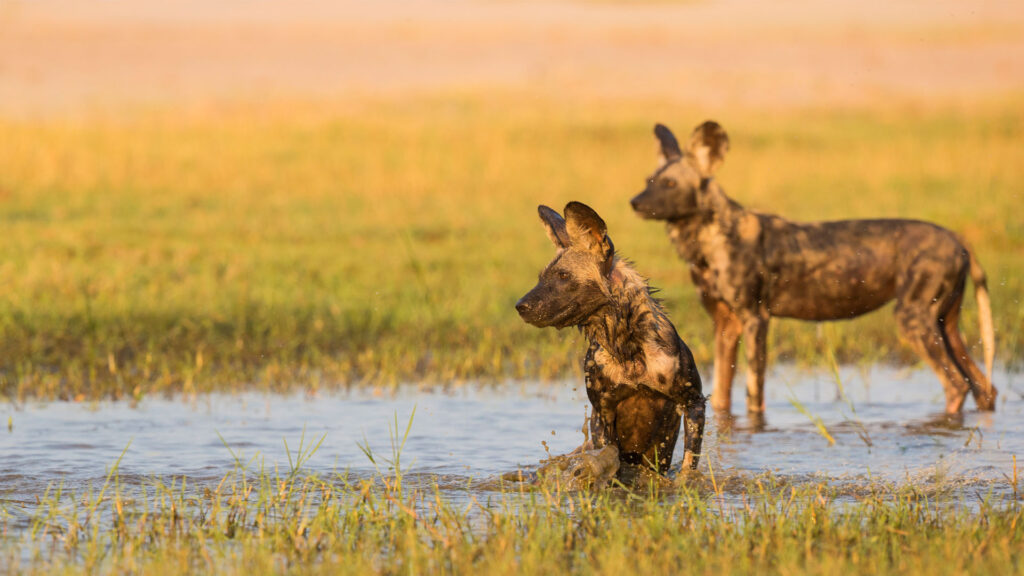
Photo: &beyond
Practical advice: Hwange is a strong choice for photographers who want substance over hype. Dry-season timing is especially effective if waterhole concentration is part of the goal.
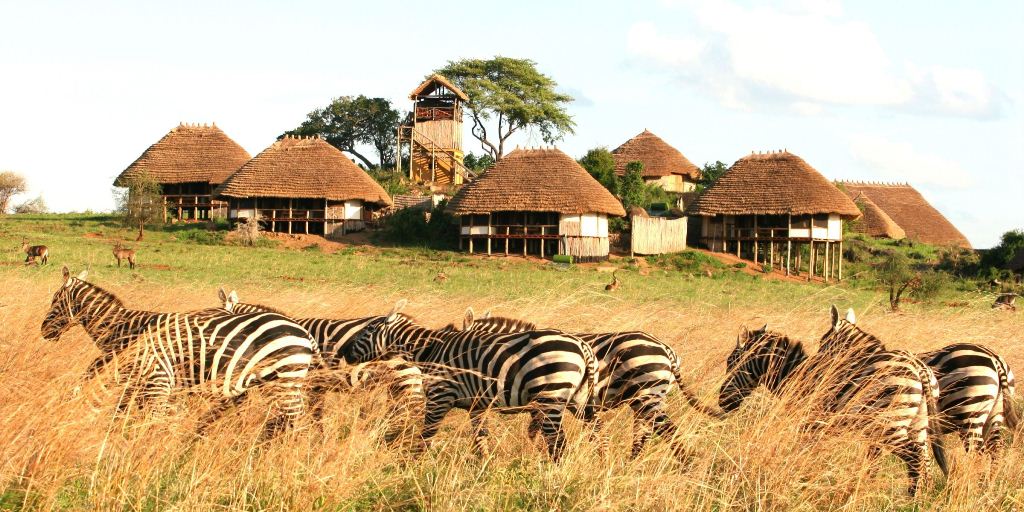
10. Kidepo Valley, Uganda
Kidepo Valley, Uganda, is the outlier on this list, and that is part of the point. It deserves attention not because it is the easiest park in Africa, but because it offers one of the most distinctive photographic atmospheres on the continent. Wide valleys, rugged mountain backdrop, dry-country wildlife, and a sense of distance give the place a mood that feels almost cinematic.
Kidepo is not the park for travelers who want the smoothest logistics or the highest density of every major species. It is for those who value atmosphere, visual originality, and the feeling of being somewhere with real geographic character.
Practical advice: Kidepo rewards photographers who are willing to travel a little farther for a less familiar image world. If originality matters more than convenience, it is one of Africa’s most interesting choices.
So which parks are actually best?
The best national parks in Africa for wildlife photography are not simply the ones with the most famous wildlife stories. They are the ones that repeatedly give photographers useful conditions.
A practical shortlist looks like this:
- Maasai Mara, Kenya, for open predator work and broad all-round consistency
- Serengeti, Tanzania, for scale, seasonal movement, and varied visual language
- Amboseli, Kenya, for elephants, atmosphere, and graphic landscape-driven images
- South Luangwa, Zambia, for behavior, intimacy, and patient fieldwork
- Lower Zambezi, Zambia, for river atmosphere and elegant wildlife settings
- Kruger, South Africa, for range, flexibility, and repeated photographic opportunity
- Etosha, Namibia, for minimalist, high-contrast wildlife imagery
- Chobe, Botswana, for elephant energy and river-based scale
- Hwange, Zimbabwe, for dry-season mood and strong waterhole work
- Kidepo Valley, Uganda, for originality and cinematic landscape character
How photographers should choose between them
At Bobu Africa, we usually guide photographers with one simple rule: choose parks by image style, not just species fame. In field terms, the right park is less about ticking the Big Five and more about matching habitat, season, and subject behavior to the kind of portfolio you want.
If you want big cats in open country, Maasai Mara and Serengeti are strong answers. If you want elephants with landscape identity, Amboseli and Hwange stand out. If you want atmosphere and behavior, South Luangwa and Lower Zambezi are particularly rewarding. If you want graphic minimalism, Etosha is hard to beat.
A strong photography safari is not defined by one dramatic sighting, but by repeated high-quality field sessions. That is why park choice and route pacing matter so much more than most travelers first expect.
FAQ
Which national park in Africa is best for wildlife photography
There is no single answer for every photographer. Maasai Mara and Serengeti are among the strongest all-round choices, but Amboseli, South Luangwa, Etosha, and Lower Zambezi can be better depending on whether you want big cats, elephants, atmosphere, or more graphic compositions.
How many nights should I spend in one park for photography
Three nights usually means six prime field sessions, which is often the minimum useful stay for serious image-making. If photography is the main goal, four nights in a strong park often produces a much better result than moving too quickly between multiple areas.
Are famous parks always the best for photographers
No. Famous parks often have exceptional wildlife, but photography depends on more than animal reputation. Light, habitat openness, vehicle density, subject access, and time in the field often matter more than fame alone.
What is the best season for wildlife photography in Africa
That depends on the park and the style of imagery you want. Dry seasons can improve concentration and cleaner access, while green seasons often bring richer color, softer atmosphere, younger animals, and more dramatic skies. In real safari planning, season usually means choosing between different visual strengths rather than chasing one universal best time.
A better way to plan the photography journey
If you are planning a wildlife photography safari in Africa, Bobu Africa can help shape it as a field-smart creative route rather than a generic touring circuit. The goal is not simply to visit famous parks. It is to build a journey where light, habitat, timing, and field access work together so the portfolio comes home stronger.
FAQ
Q: Which national park in Africa is best for wildlife photography
A: There is no single best answer for every photographer. Maasai Mara and Serengeti are among the strongest all-round choices, but Amboseli, South Luangwa, Etosha, and Lower Zambezi can be better depending on whether you want big cats, elephants, atmosphere, or more graphic compositions.
Q: How many nights should I spend in one park for photography
A: Three nights usually means six prime field sessions, which is often the minimum useful stay for serious photography. If image-making is the main goal, four nights in a strong park often gives a better result than moving too quickly between multiple locations.
Plan Your Journey
If you want, Bobu Africa can help turn your photography wish list into a field-smart safari route built around light, habitat, animal movement, and the kind of portfolio you actually want to bring home.