


Why this mixed safari goal is harder than it sounds?
Many travelers assume a Kenya safari can easily satisfy birders and big cat lovers at the same time. Kenya has extraordinary diversity, so that assumption feels reasonable. The problem is not species availability. The problem is timing behavior, habitat focus, and group pace.
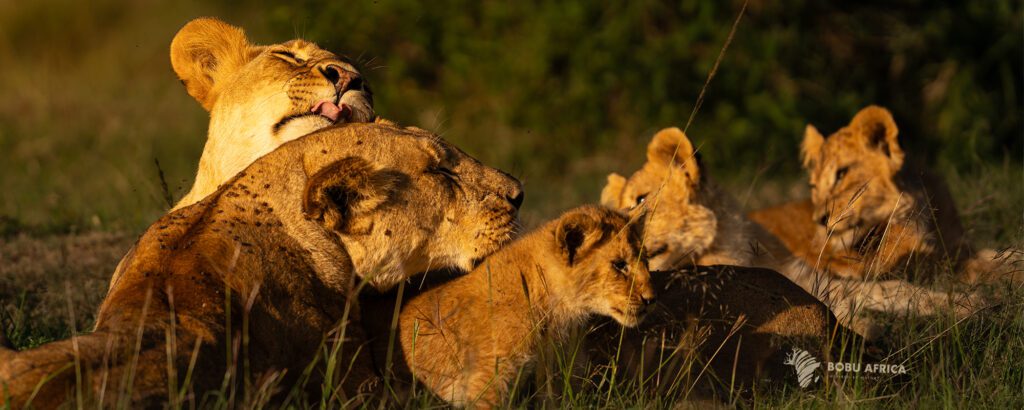
Big cat sessions often reward long strategic waiting in specific territories, especially in Maasai Mara (Kenya) and parts of Samburu (Kenya). Birding sessions often reward movement across micro-habitats, edge scanning, and rapid adaptation to calls and flight patterns. One style is territory deep. The other is habitat broad. If the itinerary is generic, one side usually feels shortchanged.
In our 15 years of field operation across East Africa, we see this mistake most often when planners treat birding and predator tracking as separate products rather than one integrated field system. In real safari planning, mixed-priority success usually means designing the day into different objective windows rather than forcing one objective all day.
A direct planning definition you can use
At Bobu Africa, we usually treat three nights in one cat-strong ecosystem plus two to three nights in a bird-rich contrast zone as the practical baseline for mixed bird and cat trips in Kenya.
Three nights usually means six prime field sessions. One transfer day often costs two prime wildlife windows. These two rules are the core arithmetic behind mixed-interest route quality.
The core tension: pace versus patience
Birders and cat lovers are not opponents. They are running different field clocks.
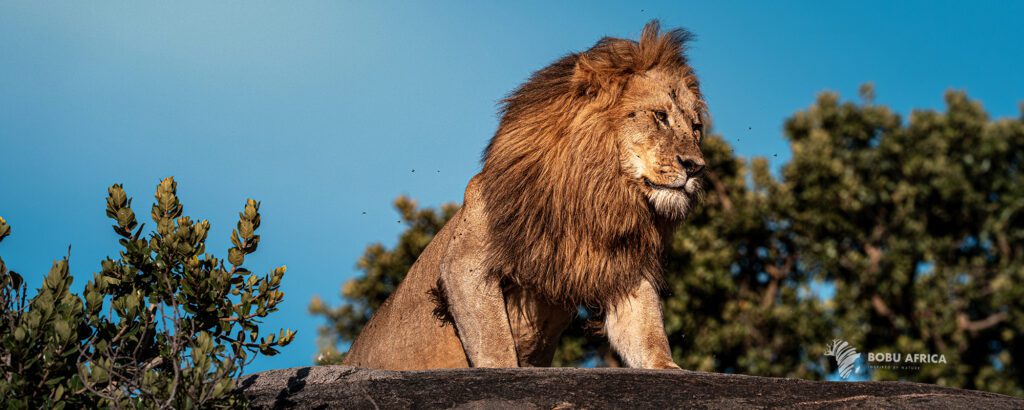
Cat-focused clock:
– patience around known territories
– repeated revisits to active zones
– strategic waiting for movement shifts
– light and angle control for viewing and photography

Bird-focused clock:
– habitat transitions in shorter intervals
– listening and scanning before visual confirmation
– exploiting short activity bursts at edges and wetlands
– rapid micro-repositioning when calls or flights shift
A strong shared itinerary does not pick one clock. It assigns each clock to the right window and place.
The route principle that works in Kenya
The best mixed route is built as an anchor plus contrast model.
– Anchor ecosystem for big cat consistency and repeated sessions
– Contrast ecosystem for high bird turnover and habitat variety
In Kenya, the most reliable anchor is often Maasai Mara (Kenya) for cat depth, with contrast from Rift Valley lake systems or Samburu-linked dry habitats depending on season and group goals.
Trade-off logic is clear. If you add too many locations, you gain map variety but lose dawn and dusk quality. If you stay too long in only one cat area, birders may feel habitat repetition. The best design sits between these extremes.
Recommended ecosystem combinations
Option 1: Maasai Mara plus Rift Valley lakes
Function:
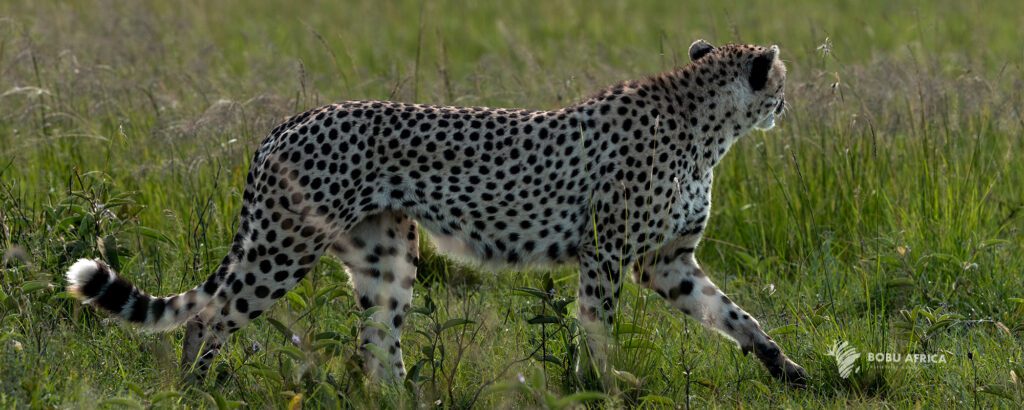
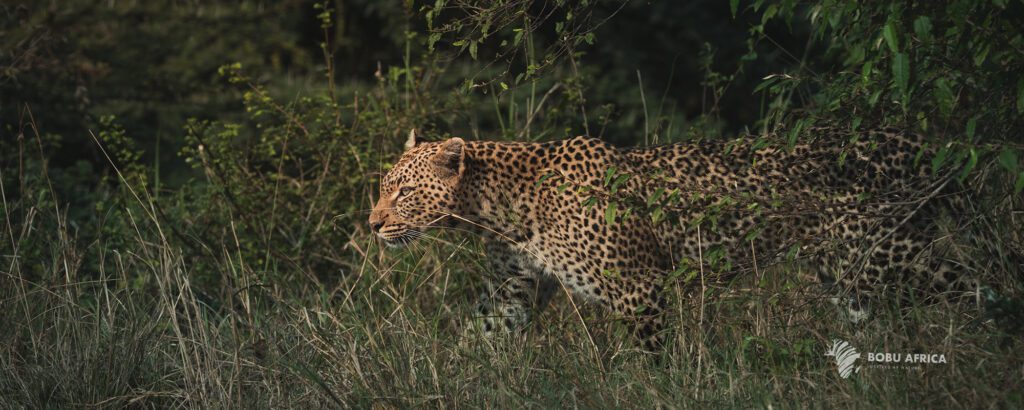
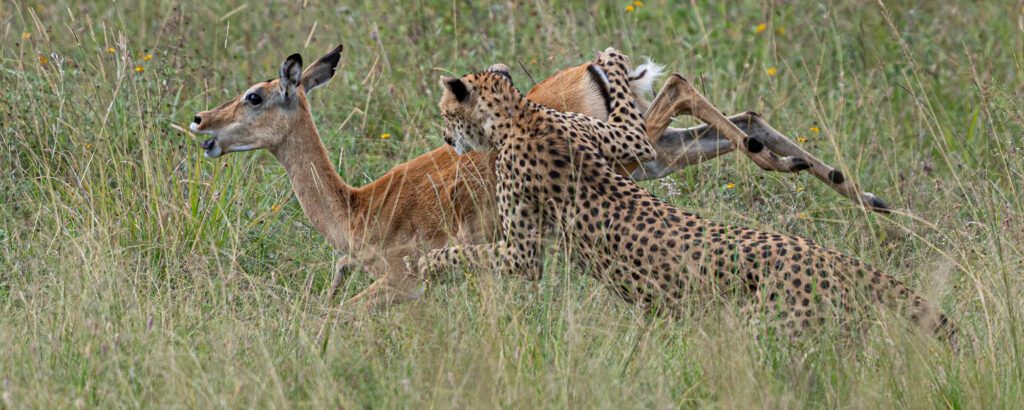
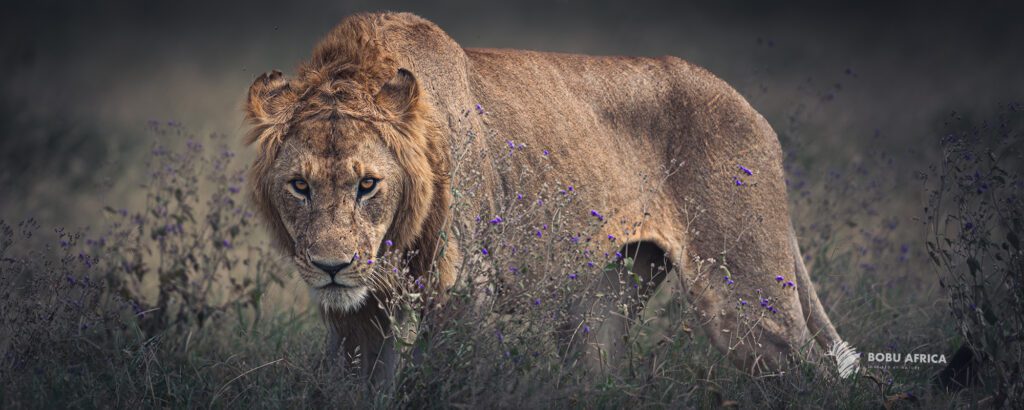
– Mara for lions, cheetah, leopard opportunity, and repeated cat territory work
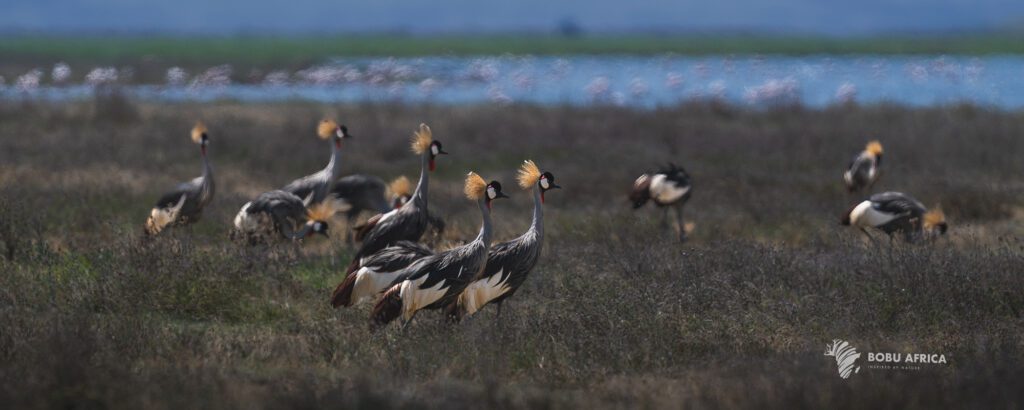
– Lake Naivasha and Lake Nakuru corridor for waterbirds, raptors, wetland-edge variety
Best for:
– first-time mixed groups
– photographers plus general birders
– travelers wanting smooth logistics from Nairobi
Option 2: Maasai Mara plus Samburu
Function:
– Mara for cat depth and open-plains predator context
– Samburu for dry-country specialist birds and different predator ecology
Best for:
– repeat Kenya travelers
– groups wanting stronger ecological contrast
– birders seeking northern habitat value
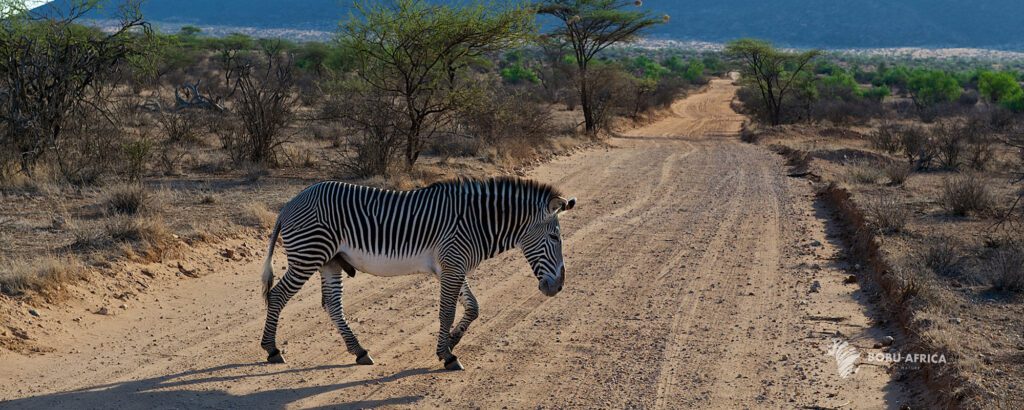
Option 3: Samburu plus Rift Valley with shorter Mara extension
Function:
– northern and lake habitat focus for birding breadth
– shorter Mara block for cat guarantee layer
Best for:
– bird-forward groups with secondary cat goal
– travelers in shoulder periods wanting lower pressure in some sectors
Night-count baseline for real performance
In mixed trips, night count is not a comfort metric only. It is a field-output metric.
Practical baseline:
– three to four nights in primary cat ecosystem
– two to three nights in bird-diverse contrast zone
– one arrival or departure buffer where needed
Why this works:
– cat lovers get repeated dawn and late-day predator windows
– birders get enough habitat time for meaningful species turnover
– group energy remains stable enough to keep both priorities sharp
A seven to nine safari-day trip with this structure usually performs better than a ten-day trip with three or four rushed ecosystem moves.
Daily rhythm design that satisfies both groups
The day must be split by objective, not left to random drift.
Dawn block: cat-first focus
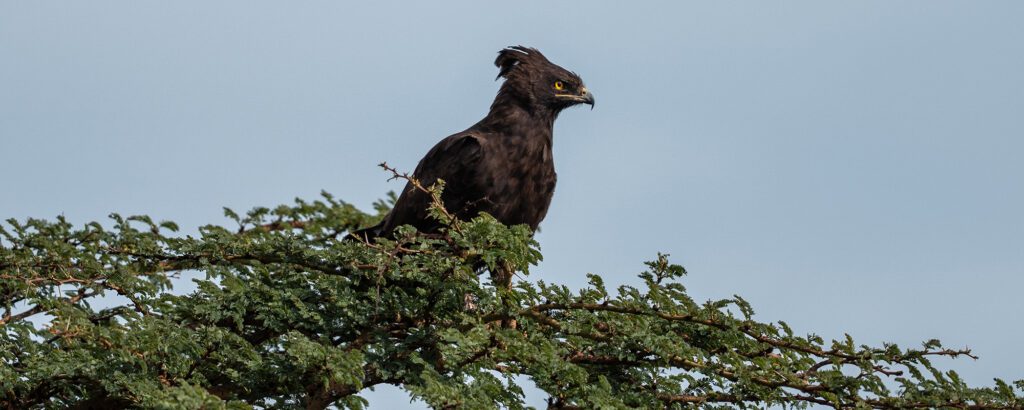
This is usually the highest-value cat activity window. Use it for territory revisits, movement lines, and cooler tracking conditions. Birders still gain in this block through raptors and open-country activity, but the primary objective is cats.
Late morning shoulder: bird transition block
As cat activity often softens and light shifts, move toward habitat edges, marshes, riverine belts, or acacia transitions where bird detection remains productive.
Midday reset: energy protection block
Return for rest, hydration, and for photographers file workflow. This protects afternoon quality and prevents burnout.
Afternoon block: mixed objective with declared priority
Alternate by day.
– Day A afternoon cat continuation
– Day B afternoon bird habitat run
This alternating structure keeps both sides feeling represented and reduces vehicle tension.
Guide strategy is the deciding variable
A mixed-interest itinerary can fail even in perfect ecosystems if guide assignment is weak.
Required guide profile:
– strong predator field reading
– real birding identification depth, not superficial naming
– communication skill across different attention styles
– discipline in explaining why a hold or move decision is being made
For larger groups, two coordinated vehicles may outperform one. One can hold a cat stakeout while the other runs a short bird loop, then rejoin. For smaller groups, one vehicle can still work if expectations and timing rules are agreed before day one.
In field terms, this is less about extra luxury and more about conflict prevention through operational clarity.
Camp location logic for mixed priorities
Camp selection should be functional first.
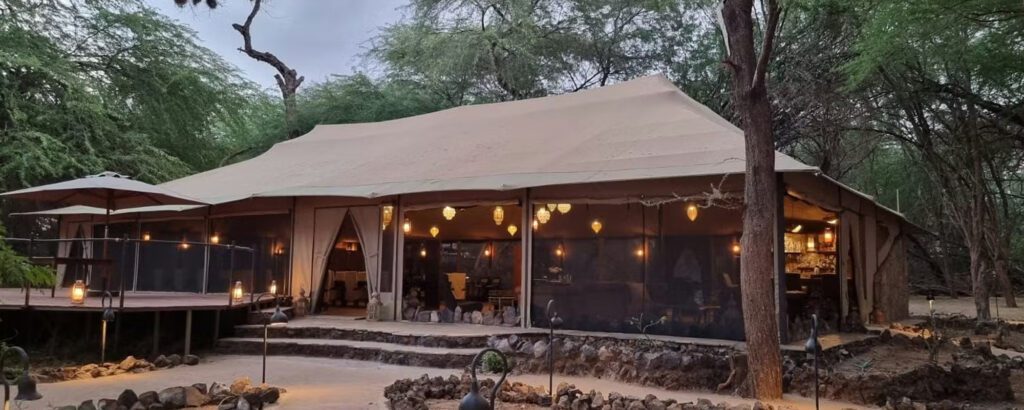
In the Mara ecosystem, location matters more than room glamour when field hours are limited. A beautiful camp with long daily access drives can quietly remove both cat and bird value.
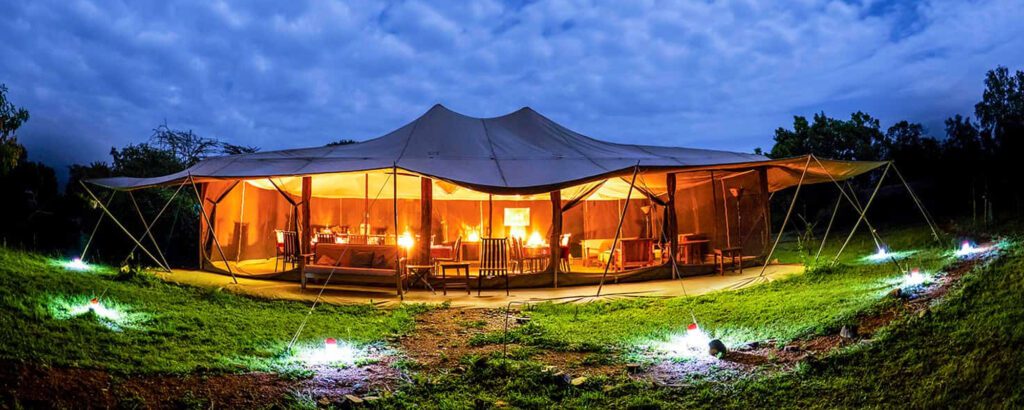
Choose camps based on:
– proximity to productive cat territories
– access to nearby habitat diversity for bird windows
– ability to support early departures and flexible meal timing
– guide continuity and vehicle readiness
Premium comfort is valuable, but in mixed trips comfort must support field output, not replace it.
Seasonal strategy for birds and cats in one trip
Season can amplify or reduce conflict between goals.
Dry-season advantages:
– easier route reliability
– cleaner cat-tracking logistics
– predictable access in many areas
Dry-season constraints:
– potential vehicle pressure in famous cat zones
– bird activity concentration may require more deliberate habitat targeting
Green and shoulder-season advantages:
– stronger visual mood for photography
– often excellent birding dynamics in many habitats
– possible lower field pressure in some locations
Green and shoulder constraints:
– route flexibility needed for weather shifts
– some roads slower, requiring stronger transfer discipline
A mixed-priority group often does best in shoulder windows if route planning is resilient and guide quality is high.
Concrete route templates
Eight-night mixed-focus model
– Night 1 Nairobi arrival and briefing
– Nights 2 to 5 Maasai Mara (Kenya)
– Nights 6 to 7 Rift Valley lake zone
– Night 8 Nairobi or departure buffer
Session outcome:
– roughly eight to ten prime windows if transfers are efficient
– strong cat depth plus meaningful bird contrast
Ten-night mixed-focus model
– Night 1 arrival
– Nights 2 to 5 Mara anchor
– Nights 6 to 8 Samburu contrast
– Nights 9 to 10 Lake Naivasha edge and departure logistics
Session outcome:
– high cat continuity plus broad habitat turnover
– strong value for bird photographers and dedicated birders
Common planning mistakes and how to fix them
Mistake 1: cat-only anchor with no real bird habitat shift
Fix:
Add at least one two-night block in lake or dry-country habitat with declared bird objective sessions.
Mistake 2: too many one-night stops
Fix:
Minimum three nights in primary ecosystem. Two-night contrast blocks only if transfer load is low.
Mistake 3: no daily objective plan
Fix:
Set morning and afternoon goals before departure each day. Rotate priorities transparently.
Mistake 4: relying on one guide with shallow bird depth
Fix:
Confirm birding competence before booking or assign a specialist day where needed.
Mistake 5: treating transfers as neutral time
Fix:
Count lost dawn and dusk windows explicitly. Remove one move if needed.
Practical checklist before booking
Use this quick filter to test whether your mixed itinerary is genuinely strong.
– Do we have at least six prime sessions in one cat-strong ecosystem
– Do we have at least four focused bird sessions in a contrast habitat
– Are transfer days limited enough to protect most dawn and dusk windows
– Is guide profile confirmed for both predator and birding quality
– Is camp location selected for field function, not just decor
– Is there a clear daily objective rotation to prevent group friction
If most answers are yes, the route is likely to perform for both audiences.
Photography-specific add-on in mixed groups
For mixed groups with photographers, establish one additional rule.
For photographers, success is less about headline spectacle and more about full-trip consistency. That means a portfolio from this kind of trip should include:
– cat action or territorial context frames from anchor ecosystem
– bird habitat and behavior variety from contrast zone
– environmental transitions that connect both stories
This prevents the trip from becoming visually one-dimensional.

Birding depth without losing cat value
Dedicated birders often worry that cat focus will dilute species quality. The solution is not abandoning cat zones. The solution is assigning birding intent to specific windows and habitats.
In Mara, target raptors, open-country species, and riverine edges during non-peak cat phases. In lake and northern blocks, shift to broader scanning and habitat-specific targets. This layered method gives meaningful bird outcomes without sacrificing cat consistency.
Premium traveler note on comfort and performance
Mixed-priority premium trips should allocate budget in performance order.
1. Guide quality and continuity
2. Camp location function
3. Night count in anchor ecosystem
4. Transfer efficiency
5. Room category upgrades beyond core comfort
This order often surprises first-time travelers, but it is where day-level satisfaction comes from.
Final field answer
How do you design a Kenya safari that works for both birders and big cat lovers. Build around pace versus patience, not around species labels.
In practical terms, that means one cat anchor, one bird contrast zone, protected dawn and dusk windows, and a daily objective rhythm that rotates fairly. With that structure, both groups can return with meaningful outcomes, and the trip feels coherent rather than negotiated.
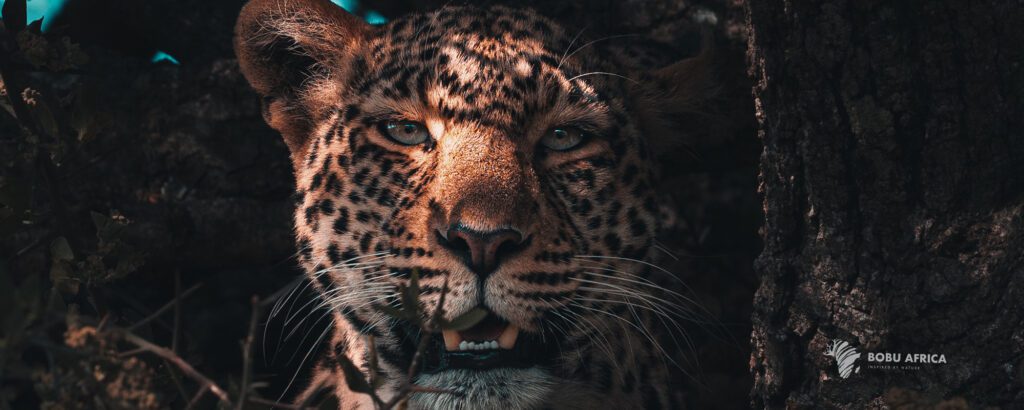
At Bobu Africa, we usually treat this as a professional field design problem, not a compromise package. When the rhythm is correct, birders and cat lovers are not competing interests. They are two strengths in one well-built safari.
FAQ
Q: Can one Kenya trip really satisfy serious birders and big cat lovers together?
A: Yes, if the itinerary is designed with separate objective windows. A strong model is three to four nights in a cat anchor such as Maasai Mara (Kenya), plus two to three nights in a bird-rich contrast habitat such as Rift Valley lakes or Samburu-linked dry zones.
Q: How many nights do we need to avoid a rushed mixed-priority safari?
A: For most groups, eight to ten nights works well. Below that, the risk rises that transfer days will remove too many dawn and dusk sessions. Three nights in the primary ecosystem is a practical minimum baseline.
Plan Your Journey
If you are planning a Kenya safari for both birders and big cat lovers, Bobu Africa can help you map a field-smart route with clear session objectives, guide alignment, and habitat sequencing so both priorities perform without exhausting the group.