
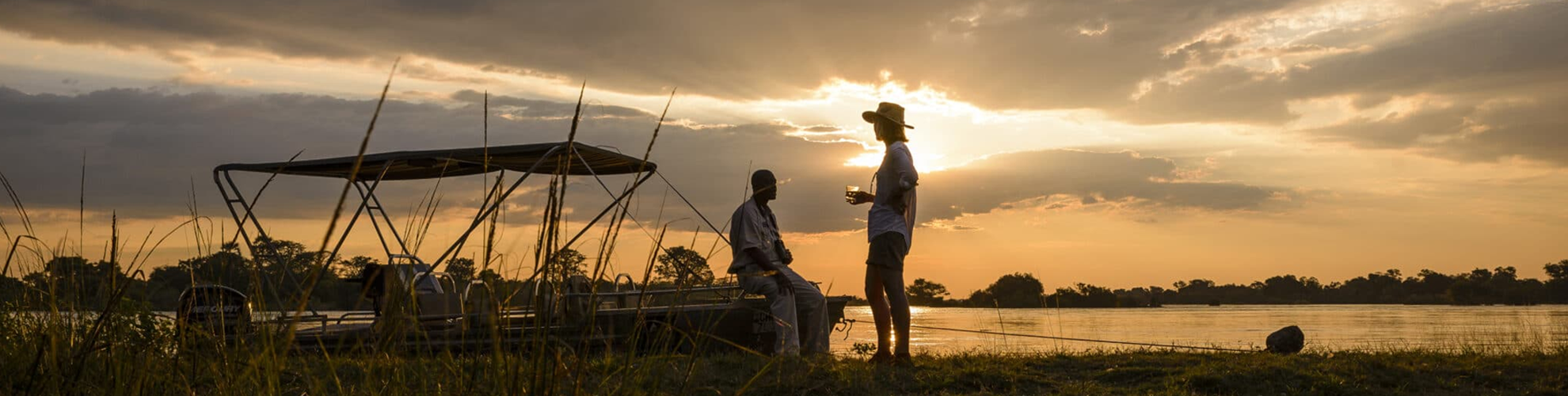
When travelers think about African safaris, destinations like Kenya and Tanzania often dominate the conversation because of the Great Migration and vast savannah landscapes. However, for seasoned safari travelers, luxury honeymooners, wildlife photographers, and high-end adventure seekers, Botswana is widely considered Africa’s most exclusive safari destination.
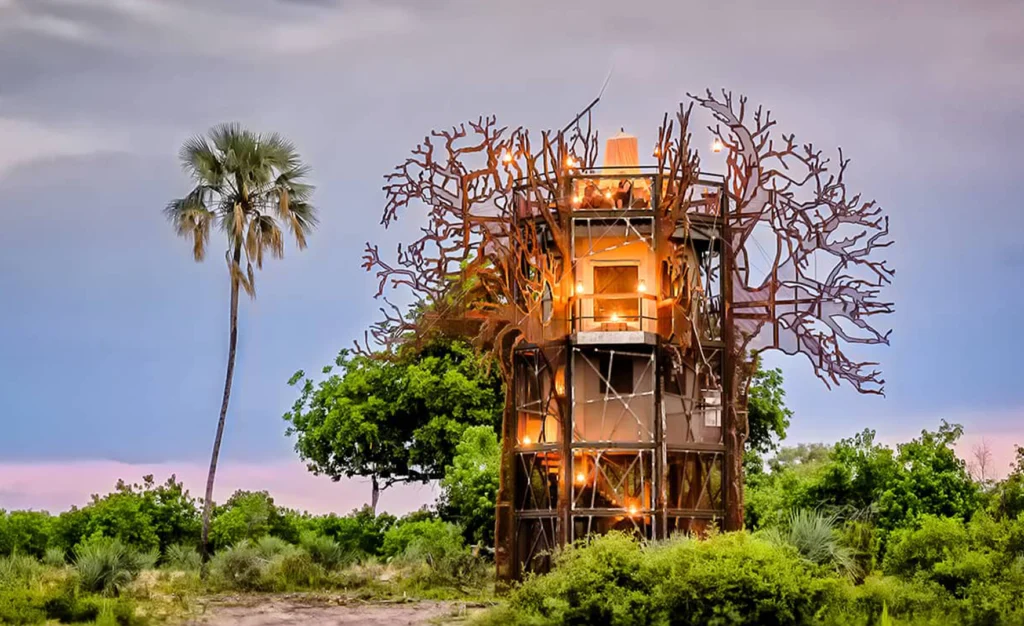
Image source: Moremi Game Reserve
Botswana has built its safari reputation differently from most African countries. Instead of promoting mass tourism, the country deliberately protects its wilderness through a “low-volume, high-value” tourism model. This conservation-driven strategy limits overcrowding, protects fragile ecosystems, and creates deeply private safari experiences.
The result is one of the most pristine and luxurious safari destinations on Earth.
Botswana’s Conservation Model: The Foundation of Exclusivity
One of the biggest reasons Botswana feels exclusive is because the country intentionally limits tourism in many wildlife areas.
Unlike destinations where dozens of safari vehicles may surround a wildlife sighting, Botswana prioritizes:
Fewer safari camps
Smaller guest numbers
Large private concessions
Strict environmental regulations
Minimal ecological impact
Nearly 40% of Botswana’s landmass is protected through:
This is one of the highest conservation percentages in Africa.
Botswana’s tourism philosophy focuses on sustainability over mass tourism revenue. The country earns more from fewer travelers while preserving its ecosystems for future generations.
For travelers, this translates into:
More private wildlife encounters
Less crowded safari experiences
Better game-viewing quality
Greater immersion in wilderness
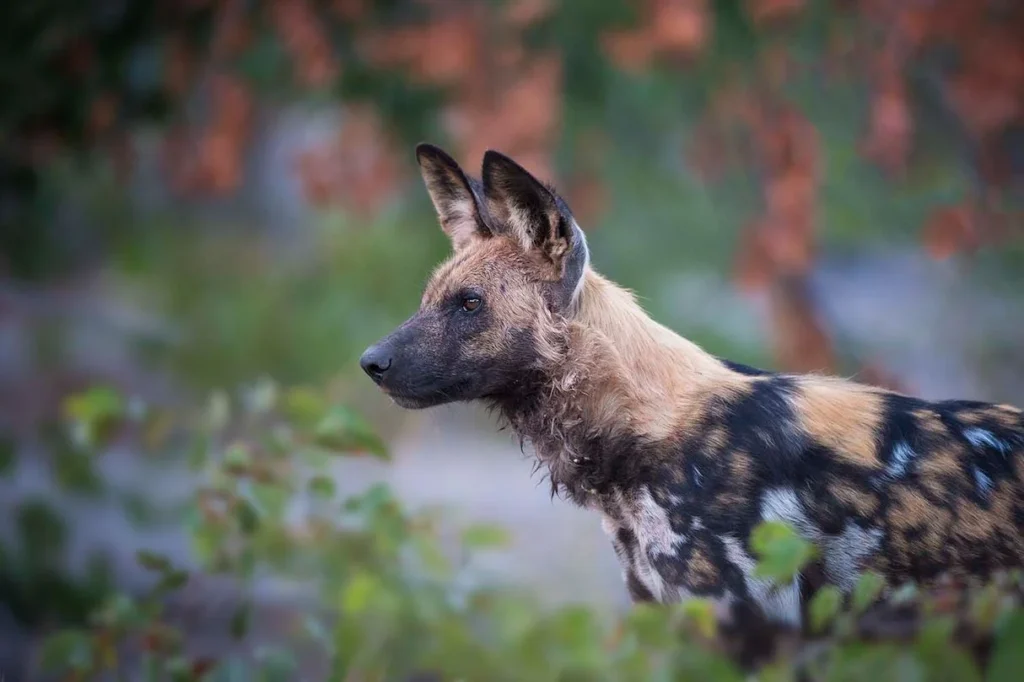
Image source: Wildernessdestinations Okavango
In many parts of Botswana, guests can spend an entire game drive without seeing another vehicle.
That level of exclusivity has become increasingly rare in African safari tourism.
The Okavango Delta: One of Earth’s Greatest Wildernesses
At the heart of Botswana’s safari appeal lies the Okavango Delta, one of the most extraordinary ecosystems in the world.
The Okavango Delta is a UNESCO World Heritage Site and the largest inland delta on the planet.
What makes it scientifically unique is that the Okavango River never reaches the ocean. Instead, floodwaters flow from the highlands of Angola into the Kalahari Basin, where they spread across northern Botswana and disappear into the desert sands.
This annual flood creates:
Seasonal wetlands
Permanent lagoons
Palm islands
Floodplains
River channels
The Delta transforms an otherwise dry landscape into a rich oasis supporting enormous biodiversity.
The flooding cycle is also unusual because peak water levels arrive during Botswana’s dry winter months between June and August. This creates ideal safari conditions as wildlife concentrates around water sources.
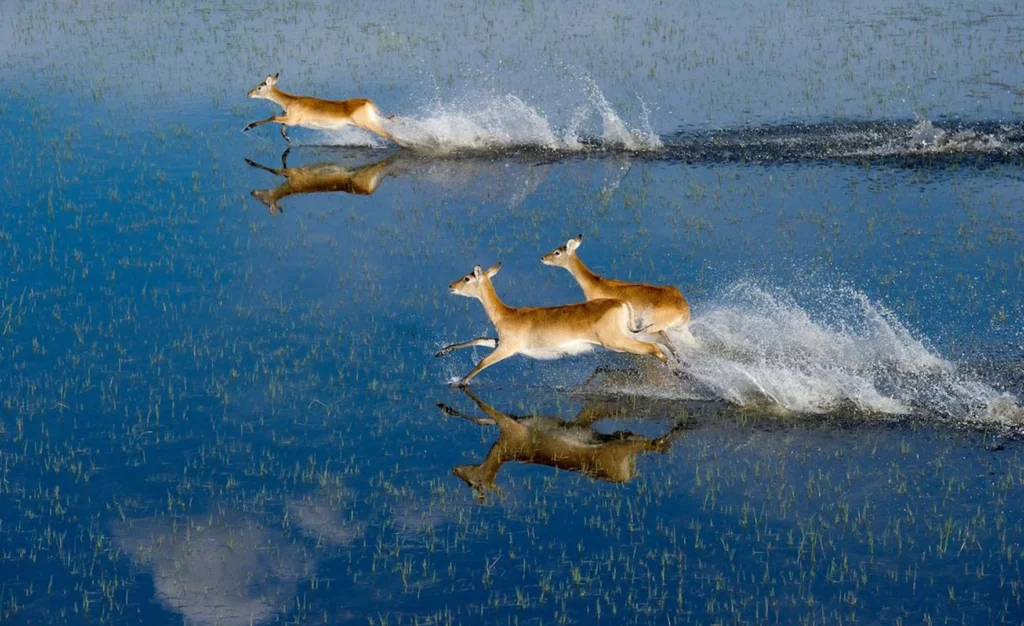
Image Source: Wildernessdestinations Okavango
Why Botswana’s Wildlife Viewing Is Exceptional
Botswana offers some of the best wildlife densities in Southern Africa.
Elephants
Botswana is estimated to hold Africa’s largest elephant population, with over 130,000 elephants spread across the country.
Chobe National Park is particularly famous for massive elephant herds gathering along the Chobe River during the dry season.
It is common to witness:
Hundreds of elephants crossing rivers
Young calves playing in the mud
Large breeding herds gathering near water
Bulls feeding along riverbanks
These sightings are among the most spectacular elephant experiences in Africa.
Predators
Botswana is also renowned for predator activity.
The country supports healthy populations of:
Lions
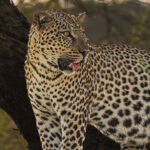
Leopards
Cheetahs
Spotted hyenas
African wild dogs
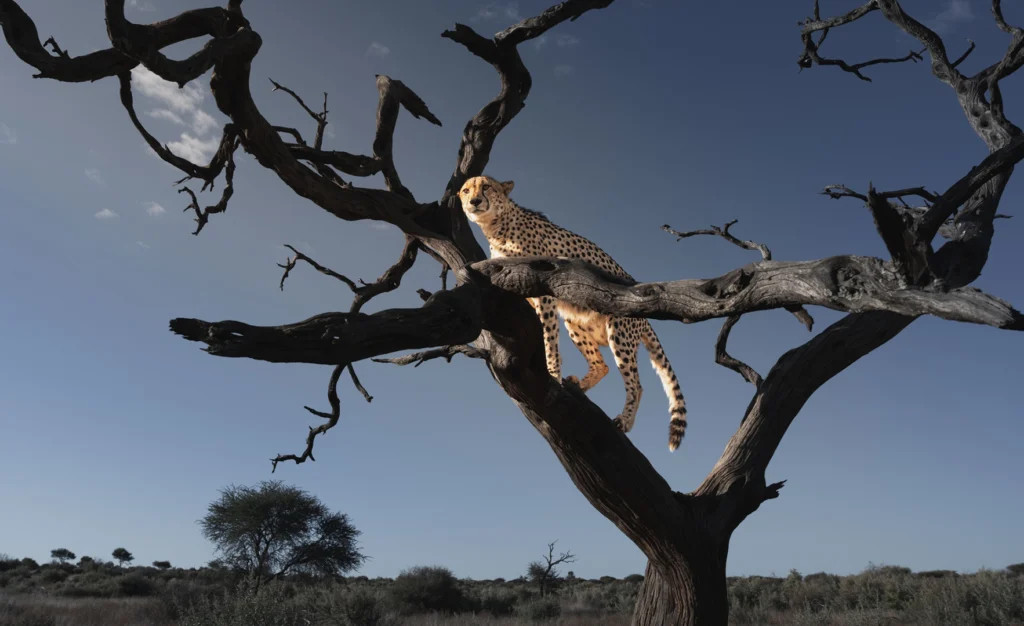
Image Source: natureziinwild
Botswana is especially important for endangered African wild dogs, one of Africa’s rarest predators.
The Okavango Delta and Moremi ecosystems provide ideal conditions for these predators because of:
Abundant prey species
Healthy wetland ecosystems
Minimal human interference
Predator sightings in Botswana are often dramatic and natural because wildlife behavior remains largely undisturbed.
Birdlife
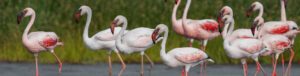
Botswana is a world-class birdwatching destination.
The Okavango Delta alone supports over 400 bird species, including:
African fish eagles
Saddle-billed storks
Pel’s fishing owls
Malachite kingfishers
Carmine bee-eaters
The green season between November and April is particularly rewarding for bird enthusiasts because migratory species arrive during this period.
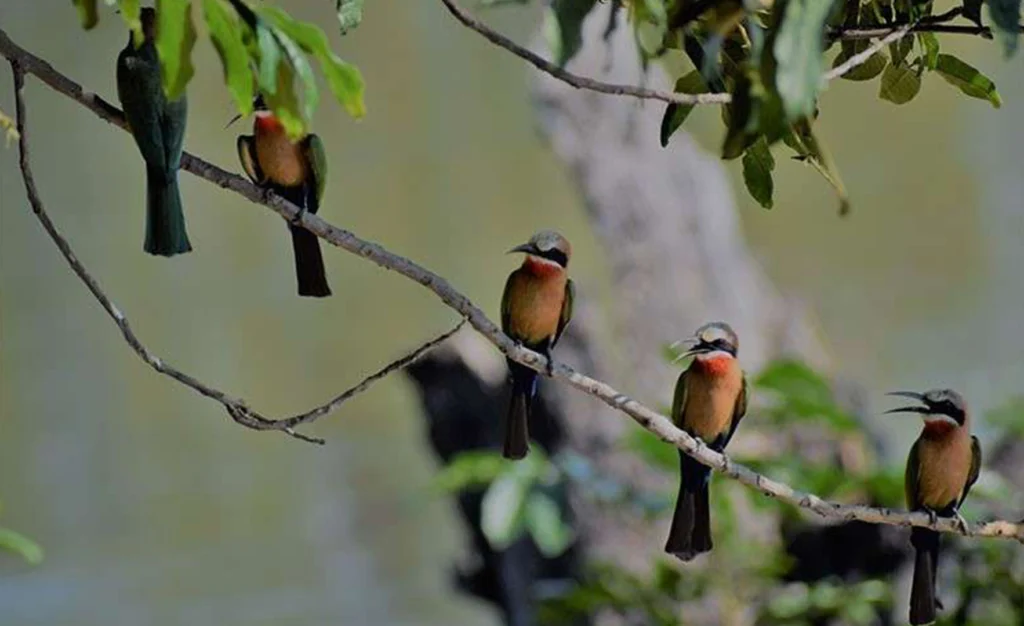
Image Source: wildernessdestinations
The Luxury Safari Experience in Botswana
Botswana’s luxury safari sector is among the most refined in Africa.
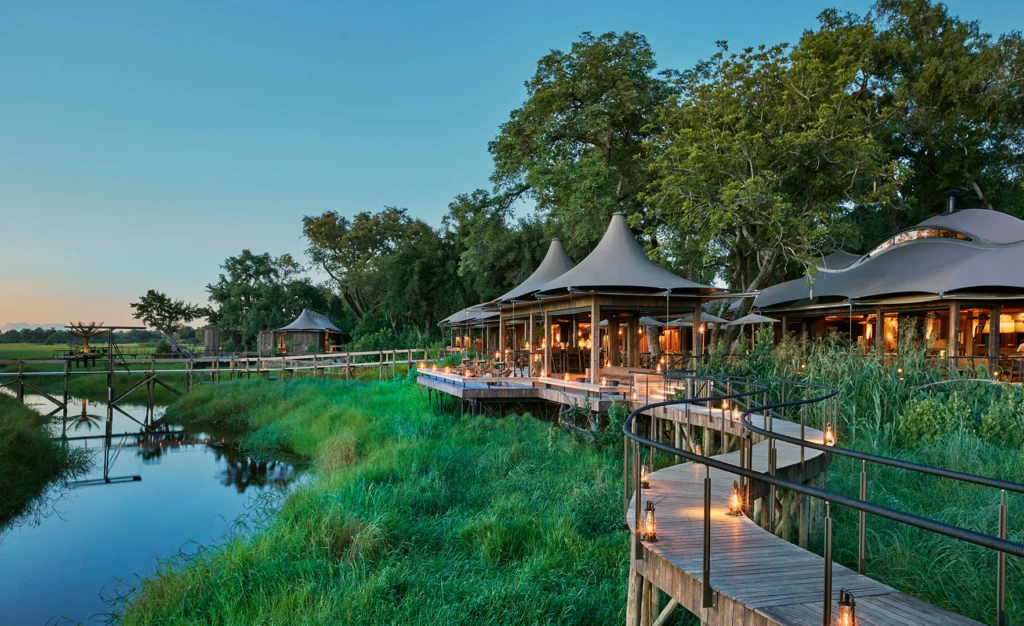
Unlike traditional hotels, most safari camps are intentionally small and highly personalized.
Many camps host:
8 to 20 guests only
Private tented suites
Open-air bathrooms
Outdoor bathtubs
Private plunge pools
Elevated decks overlooking wildlife areas
Luxury in Botswana is defined less by extravagance and more by:
Privacy
Location
Service quality
Wilderness immersion
Exclusive access
Guests often enjoy:
Dedicated guides
Tailor-made safari schedules
Private dining experiences
Personalized wildlife tracking
Because camps are small, service standards are exceptionally high.
Private Concessions: A Major Difference from Other Safari Destinations
One reason Botswana feels more exclusive than many safari destinations is the extensive use of private wildlife concessions.
Private concessions allow safari operators to offer experiences not permitted in many public national parks.
These activities may include:
Off-road driving
Night game drives
Walking safaris
Exclusive vehicle access
This creates far more flexible and intimate wildlife viewing opportunities.
For photographers and serious safari enthusiasts, private concessions significantly improve safari quality.
Water-Based Safaris: Botswana’s Unique Advantage
Unlike East African safari destinations dominated by land-based game drives, Botswana offers exceptional water safaris.
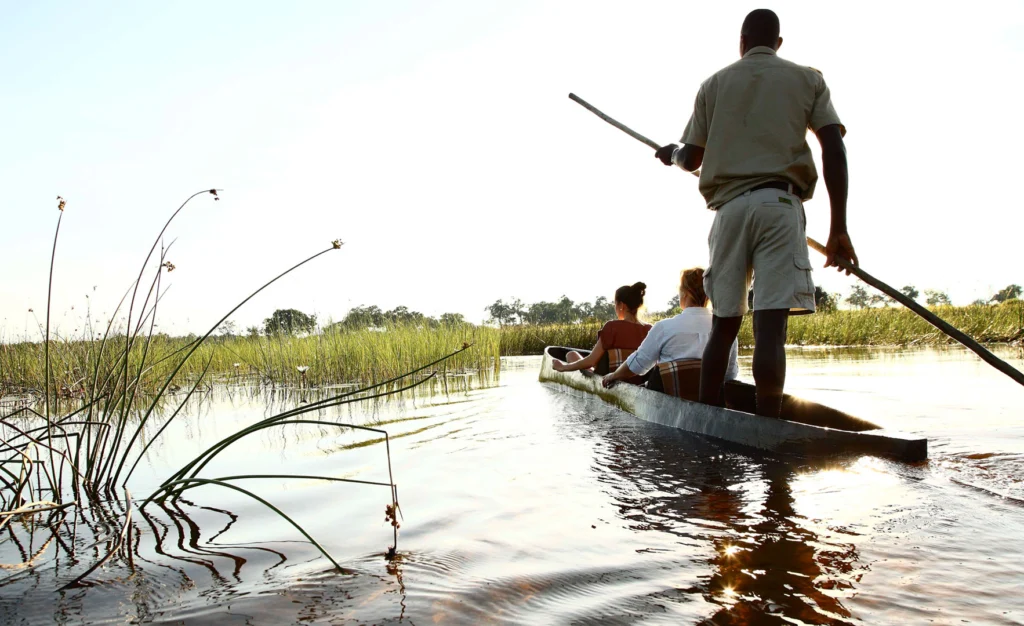
Image Source: andBeyond Mokoro Boat Safari
Mokoro Safaris
The mokoro is a traditional dugout canoe originally used by local communities.
Today, mokoro excursions are one of Botswana’s signature safari experiences.
Guests glide quietly through shallow waterways while observing:
Hippos
Frogs
Water birds
Elephants feeding nearby
Antelope crossing floodplains
Because mokoros move silently, they create a peaceful and immersive wildlife experience.
Boat Safaris
Boat safaris are especially popular in:
Chobe River
Okavango Delta waterways
They provide excellent opportunities to photograph:
Swimming elephants
Crocodiles
Hippos
Buffalo herds
Birds at eye level
Sunset boat safaris are considered among Southern Africa’s most scenic safari experiences.
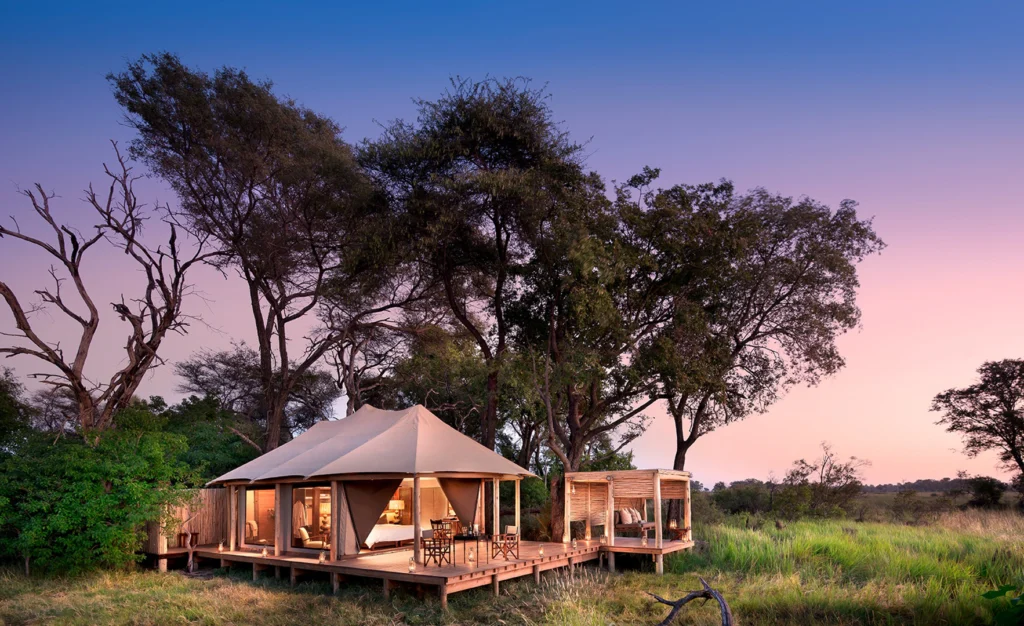
Image source: andbeyond Nxambega
Why Botswana Is Popular with Honeymooners
Botswana has become one of Africa’s leading honeymoon safari destinations.
Couples are drawn to:
Private luxury camps
Romantic wilderness settings
Low tourist density
Personalized experiences
Exceptional service
Many honeymoon itineraries include:
Private plunge pools
Candlelit bush dinners
Scenic helicopter flights
Spa treatments
Exclusive safari activities
The remote atmosphere makes Botswana ideal for couples seeking privacy and intimacy.
Botswana vs Kenya and Tanzania
Travelers often compare Botswana with East African safari destinations.
Kenya and Tanzania
Known for:
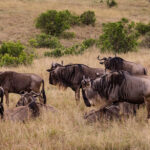
Great Migration
Open savannah ecosystems
Large wildlife concentrations
Classic safari circuits
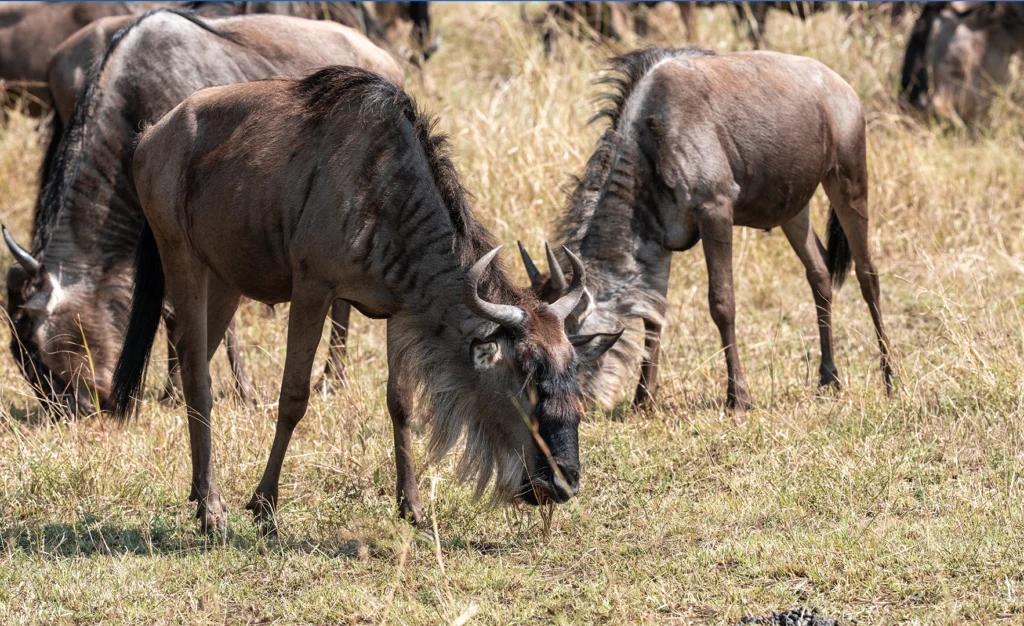
Image source: natureziinwild – Masai Maraa
Botswana
Known for:
Remote wilderness
Luxury exclusivity
Water-based safaris
Small private camps
Conservation-focused tourism
Botswana generally appeals more to travelers prioritizing exclusivity over high-volume wildlife spectacles.
Is Botswana Expensive?
Botswana is one of Africa’s more premium safari destinations.
Several factors contribute to higher costs:
Remote camp locations
Fly-in safari logistics
Luxury accommodation standards
Limited guest capacity
Conservation fees
However, many travelers consider Botswana worth the investment because of:
Exceptional guiding
Private wildlife experiences
Conservation success
Luxury service quality
Minimal crowds
For experienced safari travelers, Botswana often represents the pinnacle of African safari experiences.
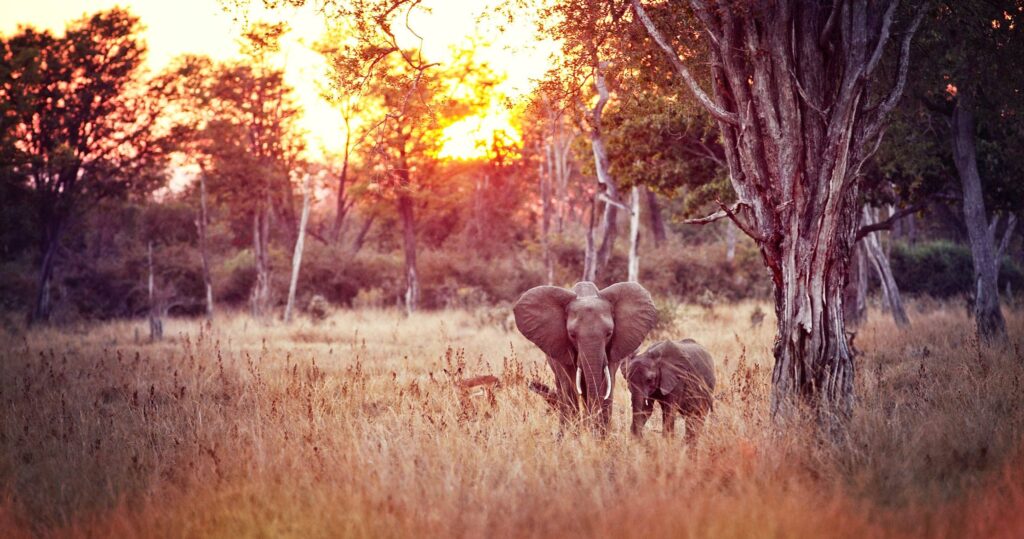
The dry season from May to October is widely considered the best safari period.
During these months:
Wildlife gathers around water
Vegetation thins out
Predator sightings improve
Temperatures remain comfortable
The Okavango flood season typically peaks between June and August, making this an excellent period for water safaris.
The green season from November to April offers:
Lower rates
Fewer tourists
Dramatic scenery
Exceptional birdwatching
Newborn wildlife
Both seasons provide rewarding safari experiences depending on traveler preferences.
Final Thoughts
Botswana has successfully positioned itself as Africa’s most exclusive safari destination through a combination of:
Strong conservation policies
Limited tourism development
Extraordinary ecosystems
High-end safari experiences
Exceptional wildlife viewing
The country offers a style of safari that feels deeply connected to wilderness rather than mass tourism.
From the flooded channels of the Okavango Delta to elephant-filled riverbanks in Chobe, Botswana delivers safari experiences defined by privacy, authenticity, and natural beauty.
For travelers seeking a refined and immersive African safari, Botswana remains one of the continent’s ultimate luxury destinations.