Do I need vaccinations or malaria medication before traveling to Kenya?

Yes. Traveling to Kenya requires some health precautions, including recommended vaccinations and malaria prevention, depending on your travel itinerary and the areas you plan to visit. Recommended Vaccinations All travelers should be up-to-date on routine vaccines such as: Additional vaccines may be required or recommended depending on travel style: Malaria Prevention Malaria is present in most of Kenya below 2,000 meters, including: Recommendations: Travel Health Tips Safari Health Kit Checklist What to carry for malaria & insect protection? malaria is present in many parts of Kenya, particularly in lower-altitude areas and near lakes and national parks, so preparation is important. Here’s what to carry: Antimalarial Medication: You’ll need a prescription from your doctor before travel. The most commonly recommended options are: Consult your doctor or a travel health clinic at least 4–6 weeks before departure to get the right prescription for you. Insect Repellent Clothing Mosquito Net Other Useful Items Key Habits to Remember on safari It’s always a good idea to visit a travel health clinic before your trip for personalised advice based on your specific itinerary within Kenya. Documents ✓Yellow fever ICVP certificate (yellow card) Keep with your passport at all times. Required for entry from endemic countries. ✓Travel insurance policy with medical evacuation cover Printed copy and photo on phone. Emergency number saved in contacts. ✓List of personal medications with generic names Brand names differ internationally — generic names help local pharmacists. 💊 General Medications ✓Pain relief (Paracetamol / Ibuprofen) Also useful for treating malaria symptoms if you fall ill before reaching a doctor. ✓Oral rehydration sachets Kenya’s heat and any stomach upset can lead to rapid dehydration. Essential. ✓Antihistamines (cetirizine or loratadine) For allergic reactions to insect bites, dust, or unfamiliar plants. ✓Loperamide (Imodium) and Dioralyte Traveller’s diarrhoea can occur. Useful for managing symptoms during game drives. ✓High-SPF sunscreen (SPF 50+) Kenya’s equatorial sun is intense — sunburn risk is high, especially on open-top game drives. ✓Antiseptic wipes and small first aid kit For cleaning cuts and scratches in the bush before they become infected.

Read more

Do I need a visa to enter Kenya?

You do not need a traditional visa sticker in your passport. However, you must apply for an approved eTA (Electronic Travel Authorization) before departure. This applies to travelers from: What Is Kenya’s eTA? The Electronic Travel Authorization (eTA) is: Airlines will request proof of approval before allowing you to board. Basic Entry Requirements To enter Kenya, you generally need: What If I’m Visiting Kenya and Tanzania? If your safari itinerary includes both: You must check Tanzania’s visa requirements separately, as they operate under a different visa system. When Should I Apply for an eTA? Apply for your Kenya eTA at least 7–14 days before travel, especially if visiting during peak safari season (June–October or December holidays). .How much does the eTA cost? $50 (inclusive of service fee) eTA Fee (USD) Standard fee for most nationalities. Paid online by card. Non-refundable. How long does a single-entry eTA last after it is issued? Once issued, the eTA is valid for 90 days. Visitors must enter Kenya within these 90 days; otherwise, the eTA becomes invalid. Once you arrive, immigration officers grant a stay of up to 90 days in the country. If you wish to extend your stay, you can apply for an extension at the nearest Immigration Office. The Visitor’s Pass may be extended for up to 90 days initially, with a possible further extension of 90 days, but the maximum stay cannot exceed 180 days in total. A multiple-entry eTA is valid for five years or until your passport expires, whichever comes first, and allows multiple entries during that period. How long does the eTA take to process? The Kenya eTA standard processing time is 3 working days, though it can take up to 5 business days in some cases, particularly if additional documentation is requested or during high-volume periods. It’s recommended to apply at least 7 days before your travel date to allow buffer time for any delays. What Does the $50 eTA Actually Cover? Which Documents are required for the Kenyan eTA? ✓Valid Passport Must be valid for at least 6 months beyond your intended departure from Kenya. Must have at least 2 blank pages for entry stamps. ✓Passport-Sized Photograph Recent photo (taken within 6 months), white background, clear face, JPEG format, under 1MB file size. ✓Return or Onward Flight Ticket Proof that you will leave Kenya before your 90-day permit expires. A booking confirmation (not necessarily fully paid) is acceptable. ✓Accommodation Confirmation Hotel, lodge, or camp booking confirmation showing your name, property name, address, and dates. For multi-destination itineraries, the first night’s accommodation is sufficient. ✓Credit or Debit Card for the $30 Fee Visa or Mastercard. Ensure your card is enabled for international online payments before starting the application. ✓Yellow Fever Vaccination Certificate (if applicable) Required if arriving from a yellow fever-endemic country. Must show vaccination at least 10 days prior to travel. Strongly recommended for all visitors regardless. ✓Email Address for Application Account Your approval confirmation and all correspondence will be sent to your email. Use a reliable personal email, not a work email that may filter or block messages

Read more

How far in Advance should i book for a Kenyan Safari?

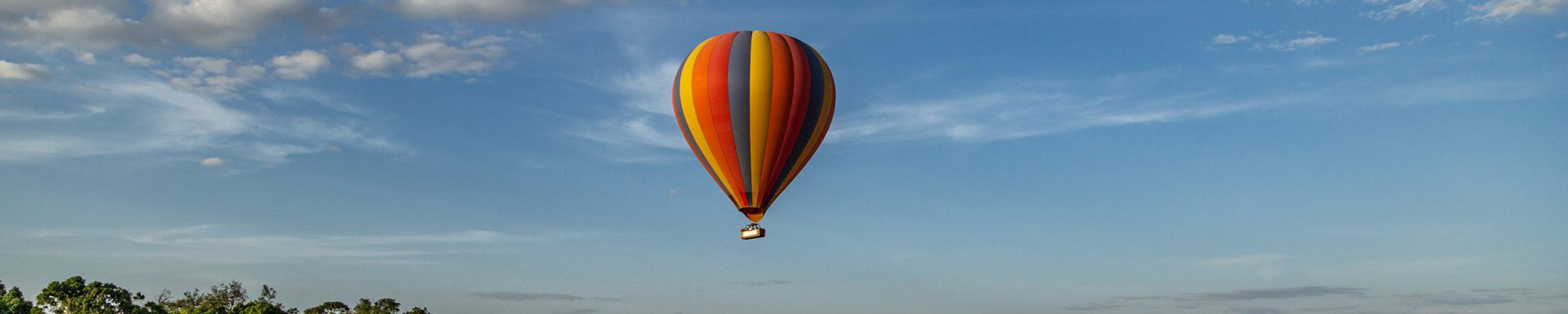
Planning ahead is essential for a seamless and well-organized safari experience in Kenya, especially during high-demand travel periods. For most travelers, we recommend booking: When should I book to see the Great Migration in 2026 or 2027? For River Crossings (July–September): Book by August 2026 for 2027 travel. For the Calving Season (January–March): Book by May 2026 for 2027 travel. Since these are the most sought-after wildlife events on earth, the best camps with “front-row seats” to the Mara River or Ndutu plains are the first to fill up. Are there any “Secret Seasons” in 2026 with better availability? Absolutely. We highly recommend the “Emerald Season” (late March to May).While there is more rain, the landscapes are lush, prices are up to 30% lower, and you can book just 4–6 months in advance. Why is early booking more important for 2026 and 2027? Travelers are now planning further ahead to secure “bucket-list” experiences. Additionally, 2026 is a high-demand year as many travelers are choosing it ahead of the 2027 election cycle in Kenya to ensure stable travel plans. Photo Credit: Natureziinwild What Factors Influence Safari Booking Timelines in Kenya and Tanzania for 2026–2027? Peak Season Demand: July–October sees the highest crowds for the Migration, requiring 9–18 months lead time to avoid sold-out lodges. Group Size and Customization: Larger groups or tailored safaris (e.g., family-friendly or luxury) need earlier bookings, often 12+ months out. Holiday Periods: Christmas/New Year in 2026–2027 books fast, aim for 18 months in advance for festive safaris. Economic and Global Trends: With potential economic shifts, availability can tighten; booking early with Bobu Africa ensures fixed rates and flexibility. Green Season Opportunities: For budget-friendly, lush landscapes in March–May, 4–6 months may suffice, but popular eco-lodges still require prompt action. Is it cheaper to book a safari early? Yes. Early booking offers: Waiting too long typically means fewer options and higher costs. Can I book a last-minute safari in Kenya or Tanzania? Last-minute bookings (1–3 months prior) are possible but limited to: For iconic parks like: Availability during peak season is extremely restricted. What happens if I book too late? Booking late can result in: Prime riverfront or migration-corridor camps may be fully booked. You may end up staying farther from key wildlife areas. You might have to choose mid-tier options instead of your preferred luxury camp. Result: More driving time, fewer prime sightings, and potentially less exclusivity. When availability is limited, a lodge may have only partial dates available. Example: This creates: Result: Your itinerary feels fragmented instead of seamless. As availability drops, pricing shifts due to: For migration season in the Maasai Mara National Reserve or cross-border safaris into Serengeti National Park, prices can increase significantly when demand spikes. Result: You pay more for fewer choices. The Great Migration moves in patterns. The best camps are strategically located near: If you book late: Result: You could miss peak river crossings simply because your camp is not positioned correctly. For strategic itinerary design, early booking ensures seamless logistics. Photo Credit: Natureziinwild When is the best time to book a honeymoon safari in East Africa? For honeymoon safaris in 2026–2027: Romantic, exclusive camps sell out fastest, especially those with limited suites. When should families book a safari for school holidays? For travel during: Families should book 10–12 months in advance. Family suites and interconnecting tents are limited and highly competitive. Is 2026–2027 expected to be busy for East Africa safaris? Yes. Safari demand continues to grow globally due to: Premium properties across Kenya and Tanzania operate with small room inventories, making early planning essential. What is the ideal safari planning timeline? 12–14 Months Before Travel 6–9 Months Before Travel 3–6 Months Before Travel Photo Credit Natureziinwild Why Book Your 2026–2027 Safari with Bobu Africa? Bobu Africa is a Kenya-based safari specialist curating tailor-made experiences across East Africa. We secure: Photo Credit: Angama Mara

Read more

Romantic Restaurants To Take Your Loved Ones In Nairobi

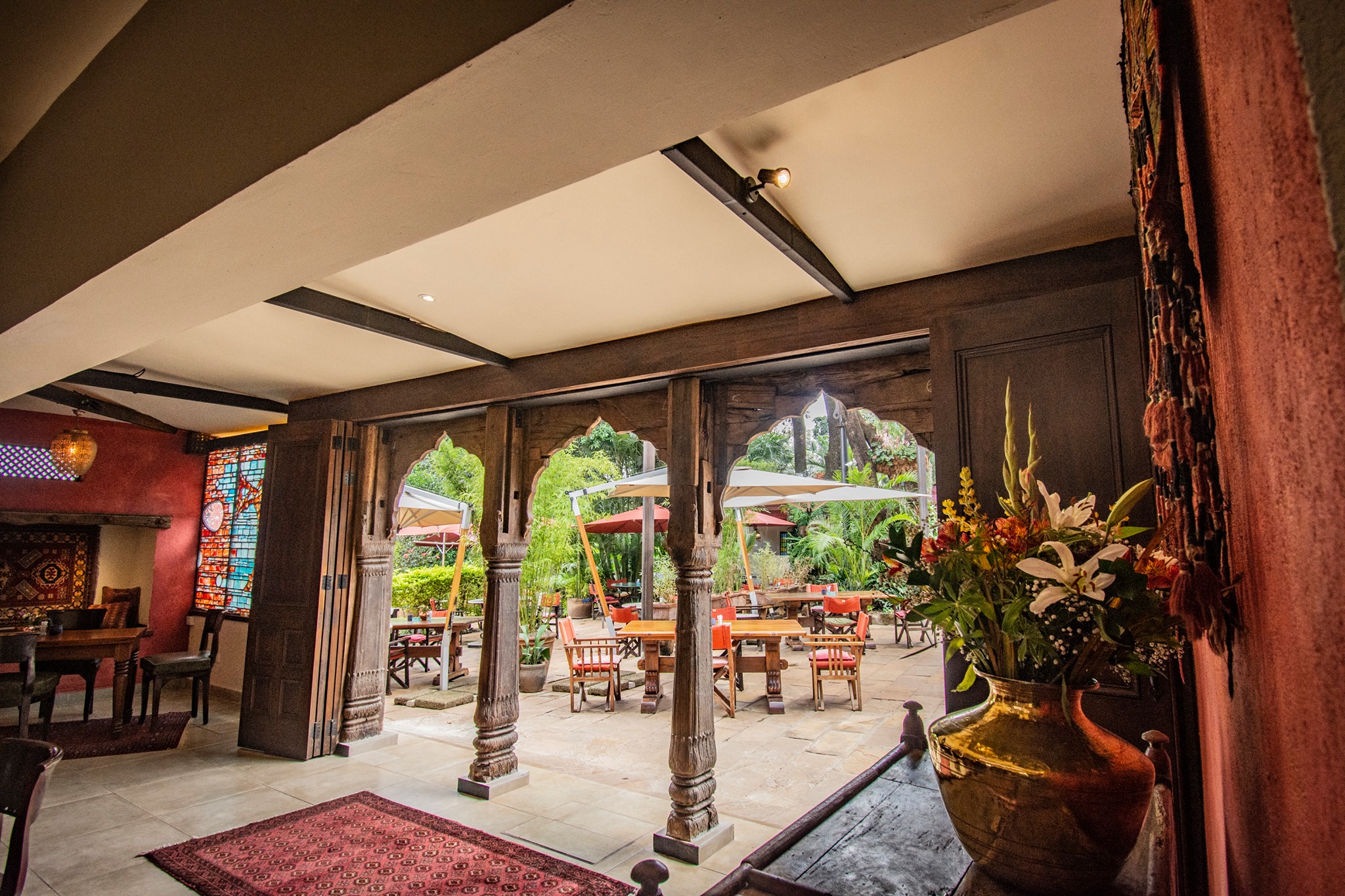
Ankole Grill  Named after an iconic cattle breed in East Africa, Ankole Grill is one of the best restaurants to get an authentic steak experience in Nairobi. You can also hit the romantic sweet spot when you go to enjoy the live entertainment on Acoustic Wednesday. Accessibility: Located at Senteu Plaza, Galana Road 25 Minutes from lenana Road  Cost: Based on the Menu you choose.  Experiences: Fine dining, Different cuisines The Talisman Restaurant  From the humble beginnings back in the 90’s, The Talisman started as a small old house in Karen originally occupied by the famous wildlife photographer and author Alan Root in their youth. The Talisman has since grown into a household name with one of the best cuisines in the country. Come experience fine dining in a whole different setting. An environmental friendly place with an organic garden and highly rated and awarded on International restaurant platforms. Accessibility: Ngong Road, 30 Min drive from Nairobi   Cost: Ksh 7500 Per Person  Experiences: Unrivaled candle-lit al fresco dining, the continental menu stretches from Japan to Zanzibar, Limuru to Mombasa. Mandhari Fine Dining Restaurant Our creative culinary team has produced one of the best fine dining experiences in Kenya. Seasonal menus and wine pairings shift in rhythm with the flowering Tuscan-styled outdoor terrace overlooking the pool. At the terrace or in the elegantly appointed dining room, take pleasure in a rich montage of regional and international specialties with flavorful textures and aromas as well as live piano music creating a delightful sensory experience. Aperitifs or digestifs may be enjoyed on the outdoor cigar deck or in the relaxed sophistication of the cocktail lounge. Guests seeking an additional measure of exclusivity are invited to dine at the Mandhari Captain’s table.  Accessibility: Nairobi Serena Hotel Cost: Ksh 9500 Per Person  Experiences: A bottle of sparkling wine for a couple, an entertaining band, a 6 course meal.  Urban Eatery Urban Eatery is an unpretentious, fun, modern day African roadside diner. Locally inspired, some of our skillfully concocted dishes include Classic Chicken Poussin and flavorful sides. Indulge in some nostalgia with our sharing platters and signature cocktails served in iconic cocktail crockery. Accessibility: Capital Center, Mombasa Road  Cost: Ksh 6500 per Person  Experiences: Entertainment in the house, a special valentines Menu.  Graze Steakhouse They know steak. They understand its temperament and its temperature. They also happen to enjoy steak. They enjoy it so much they want you to see how they enjoy it through their open kitchen. The tables are close together but without you finishing the sentences of the person in the next table. The service is unstained and unmatched. Sure, there is seafood but who goes to graze for seafood? You go for the aged beef which when you chew it tastes like a happy cow. Accessibility: Sankara Hotel, Westlands ; 25 Min. from Nairobi  Cost: Ksh 6500 per Person  Experiences: Entertainment in the house, a special valentines Menu  Tamambo Karen Blixen Accessibility: Karen, Close to Karen Blixen Museum; 30 Min. from Nairobi  Cost: Ksh 5500 per Person  Experiences: Entertainment in the house, a special valentines Menu. Hemingway’s Brasserie When you think of a romantic meal you mostly think of dinners. What this place has managed to do is also make all the meals of the day feel romantic. Accessibility: Karen, Close to Harkness Cottage & Hotel; 30 Min. from Nairobi  Cost: Ksh 9500 per Person  Experiences: Entertainment in the house, a special valentines Menu  Mercado — Mexican Kitchen & Bar There are restaurants you remember for its ambiance and how it can define a moment. You remember the view and the crispy battered red snapper. And you carry with you these moments in your pocket and you never want to go back because you are afraid they will mess it up for you. And so as long as you have that memory in your pocket, it’s yours. Accessibility: Parkland’s, along Ring Road & Hotel; 30 Min. from Nairobi  Cost: Ksh 6500 Per Person  Experiences: Entertainment in the house, a special valentines Menu  Lord Eroll Restaurant The premier French and gourmet restaurant in East Africa, The Lord Erroll offers diners a delightful array of alfresco seating areas to choose from, each overlooking a different façade of the enchanting green gardens complete with beautifully ornate waterfalls, streams and ponds Accessibility: Ruaka, Ruaka Town; 30 Min. from Nairobi  Cost: Ksh 7500 per person  Experiences: Entertainment in the house, a special valentines Menu, Sparkling Wine for the Couple in the house  Carnivore Restaurant The carnivore is the ultimate ‘beast of a feast’ a variety of meats including ostrich, crocodile and camel, are roasted over charcoal and carved at your table. Delicious side dishes and an exceptional array of sauces complement this fixed price feast that also includes soup, a selection of desserts and Kenyan coffee. Set in attractive tropical gardens, the service and the décor are outstanding. Accessibility: Langata Road, Close to Uhuru Gardens; 30 Min. from Nairobi  Cost: Ksh 4500 per person  Experiences: Entertainment in the house, a special Beast of Feast Menu.

Read more

Hiking Mt Kilimanjaro via Lemosho Route -What To Expect!

Just so you know, the snow of Kilimanjaro is constantly melting away. If you want to have your own Kilimanjaro mountaineering experience, maybe you should try while it is still snow capped. Video Link: https://www.youtube.com/watch?v=pXLbfk0O9cI Climbing to the top of Mt Kilimanjaro does not mean you are conquering Kilimanjaro. Perhaps it’s more of a feeling that you are conquering your fear year by year, the fear of life, of death, and of love. Some people have had this place in their hearts and bucket lists for many years, but have not managed to put words into action. Saying you are interested in Africa and watching BBC AFRICA hundreds of times is not the same experience as being on the ground here. Unfortunately, many times we lose our sense of curiosity not only in Africa but in many other things especially when it involves exploring the unknown and self. Fortunately, there are always so many interesting people in the world who will break away from the shackles of the norm. They are willing to trek to find the legendary gorillas in the rainforest, not to take a shower for a week and even when battered, are willing to climb the snowy mountains to see the scenery above.  Video Link: https://www.youtube.com/watch?v=GqN3dcnz3t0 On January 22, 2017, a group of people who I had known previously arrived at Kilimanjaro Airport. We are excited to discuss the trip, after all, it was the next day. That night, several ladies filled the bathroom. After all, for a week from the next day, for a full 7 days, we wouldn’t be able to take a shower or wash our hair. We took out all the things that could be charged and charged them, everyone tried not to show their tension and fear. Although the night was long, it always passed quickly before a climb. Early the next morning, each of us carried our luggage. In theory, it is better not to bring more than 18 kg of mountaineering luggage. All unnecessary items are reassessed and reduced from bags over and over again until a safe weight is acquired. Because of this lighter load, we had enough energy to walk to the foot of Mount Kilimanjaro. Before we arrived, we saw groups of zebras adjacent to dead trees.  Day 1 Glades Starting Point to Big Tree   Altitude: 2100m-2800m Walking distance: 7 km Walking time: 3-4 hours  Roadside landscape: tropical alpine rainforest!  On the first day, the actual hike started in the afternoon, and it was basically used for us to get the hang of the road and line up in the morning. Everyone was excited and expectant. We were stunned by the tiny cabin toilet at Glades Starting Point that we used before setting off. The tropical alpine rainforest was our first stop on that day, the magical plants there were not something that my eyes could recognize, but I knew a few that everyone didn’t. I let everyone try to guess but no one knew any, disappointed and embarrassed that no one had any interest in my plant knowledge, we forged on . We even had a situation later where one of our teammates accidentally got stuck to a plant on the side. She was tangled and in quite a bit of discomfort As a result, she wasn’t able to take even a single step away from the place where she was stuck. Fortunately though, another lady in our team was quite witty and decisively found a way to extract her without much harm save for a little swelling. The first day was not as difficult as it was eventful. The weather in the rain forest is always often wet, so it is necessary to carry waterproof tools daily.  Day 2 Big Tree to Shira 2 Camp Altitude: 2895 meters-3810 meters Walking distance: 17 km Walking time: 8-9 hours  Roadside landscape: Alpine wasteland The heavy rain the night before gave everyone a hard time. The sleeping bags were drenched wet, thanks to the continuous rainy season in the south. The tent seemed to droop down. In fact, we hoped the tent’s moisture-proof pad would work but it was like a sluggish doorkeeper, barely holding off anything. In the morning, everyone poured themselves large cups of ginger tea since they were afraid of catching colds. In addition, we were fortunate enough to have a good cook who made breakfast to our liking and met our much-required energy needs. Our spirits rose instantly, and we immediately had the courage to conquer the mountain. So we opened up. Lemosho is the most beautiful climbing route to Kilimanjaro. The morning climb there is easy and scenic. The sky was unsurprisingly clear and blue, with the sun’s heat so directly above us, we ended up sweating a lot and those who carried baby towels or sweat towels at my suggestion were quite relieved. The one thing we were afraid of, apart from the impending climb, was getting sunburned. In my case, it turns out that 7 days later, I was not only sunburned, but I also got two black moles. Can you believe it? In short, sunscreen is your best friend on this hike. For those of you who have sinusitis and runny noses like me, a quick tip to remember is to apply sunscreen after wiping your nose with a paper towel or serviette. Otherwise, like me, your skin may end up peeling. After walking all morning, we were extremely hungry at noon. Our chef made a large plate of pasta with beef sauce, which we devoured heartily. One of our teammates had a ‘bright’ idea, he said “It ’s not enough to eat, let ’s cook more! As a result, we did not have much food left. After climbing the mountain, people lost up to 6 pounds. In short, although the scenery was beautiful in the afternoon of the next day, everyone felt that the training was quite fierce. After arriving at the camp, we all just wanted

Read more

Do You Really Know The African Giraffe?

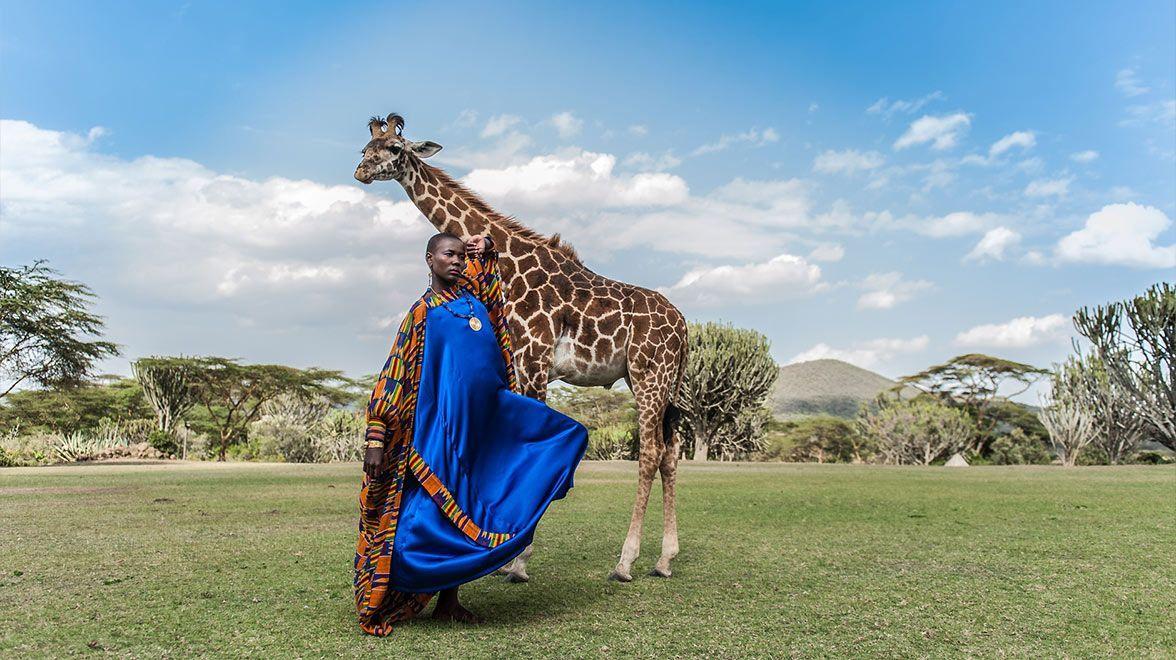
Apart from their cute appearance, most people have no idea about other aspects of the giraffe. Today, we’ll give you a little extra knowledge about the giraffe! There are tens of thousands of giraffes living in the African savannah. These long-legged creatures are among the most well-known animals on the African continent. Their long necks are covered with different shades of tan and white intertwined mesh patterns. They gradually and gracefully stroll on the prairie, exhibiting meekness and beauty.  Humans have also developed a love for giraffe print through the ages, from clothes to objects, there is a lot, especially cute giraffe dolls are quite popular among youngsters. Apart from their cute appearance, most people have no idea about other aspects of the giraffe. Today, we’ll give you a little extra knowledge about the giraffe!  Video Link: https://www.youtube.com/watch?v=deLZnvjy3Dg&t=21s Don’t JudgI believe that many people think that giraffes are all the same. Remember! Don’t judge a book by its cover! Actually, giraffes are divided into the following four types: Reticulated giraffes(also known as the Somali giraffe), Northern giraffes ( also known as the white giraffe as it is relatively light on the body), Southern giraffes(The most common and are in domestic zoos), Maasai giraffes(Wearing white stockings on legs).  From their descriptions, you can easily identify the type of giraffe at a glance on the African grasslands. About Giraffes Surely you must be very curious, with its big eyes, eyelashes, and legs how does it sleep? How does it give birth? How long is the tongue? If you are curious, keep reading below.  How long is a giraffe’s tongue? Giraffes have more than just a long neck, they are also categorized among the longest-tongued animals in the world. Just to compare, human tongues are mostly about 7 or 8 centimeters, but the giraffe’s tongue is whopping 45-50 centimeters! Their tongues are blue and experts believe that this may be because they need to keep their tongues out to eat bamboo and the colour protects them from the sun.  Video link: https://www.youtube.com/shorts/Z9ctmk5hTzA How do giraffes sleep? When giraffes lay down to sleep, it is extremely difficult for them to stand up and it often takes a minute. Sleeping for two hours a night is the norm for giraffes. In the African Savannah, you will often see baby giraffes crossing their legs to sleep, they leave one stretched out so that they can stand up quickly. Although, after they grow up, they will sleep less and less!! Though beautifully long, the length of their legs can seem troublesome, especially when they are sleeping. How does the giraffe give birth? When a giraffe mother is 14-15 months pregnant, the baby giraffe is often almost due. In order to prevent animal attacks, other giraffes will come to protect her. Giraffes give birth while standing so the calf falls hooves and head first for quite some feet till they drop to the ground. The mother will begin to lick the mucus and coat off of the baby until the baby giraffe can slowly stand up. If they can’t stand, the mother kicks the baby giraffe and will wait for a while before she continues kicking until it can stand up. Does the giraffe make a sound? Many people have long thought that giraffes are the most “gentle” animals on the savannah, this is because they rarely make sound and they are often mistakenly assumed to be “dumb”. If you are patient enough to watch giraffes from morning till evening, you will find they are able to emit a variety of sounds.  Giraffe Survival Stats: Population  Although everyone knows the African elephant is endangered due to poaching, few realize that the population of giraffes is more endangered in comparison. In fact, the total number of giraffes is now 90,000, which is one-fifth of the African elephants. Among them, the Nubian subspecies of the northern giraffe are only 2150 and may disappear from the earth at any time.  Video Link: https://www.youtube.com/watch?v=XWSo_meYq2U Prime Prey for predators in nature  Giraffes have many enemies in nature, mainly lions, leopards, hyenas, and crocodiles ( who also step in from time to time) The truth of nature remains that a young giraffe is enough dinner for three lions. The existence of these natural enemies has prevented 50% of baby giraffes from living to a year old.  Multipurpose for Poacher’s Benefit  The Giraffe’s gorgeously patterned skin is used by poachers to make hats, shoes, belts, and other accessories.  In addition, their meat is edible, and hunting a giraffe can feed a whole village. What’s more unfortunate is that the giraffe’s bone marrow can be used to treat a certain disease in some places, and the giraffe has gradually become a victim of brutality due to this.  Habitat destruction The expansion of cities and the strengthening of infrastructure in recent years has become a potential threat to giraffe’s expansive habitats. The needs of humanity have outweighed theirs and as such we see more and more animal orphanages or small conservancies restricting their movement. Additionally, some local roads are within the range of giraffe activity or national parks, causing some giraffes to be killed in traffic accidents. I dare not imagine that one day, such a cute giraffe will disappear from the earth without a trace and only remain in our imagination.  Summary Now you know that there is more than one giraffe living in the African savannah. Do you know though that they have changed for tens of millions of years yet still maintain their species diversity? It is a shame that these “gentle giants” on the savannah may disappear from the earth at any time. If human beings respect and protect them a little more, we can continue to have our hearts melted by their flickering eyes, long eyelashes, and majestic presence. Come see them up close!

Read more

Climbing Mount Kenya

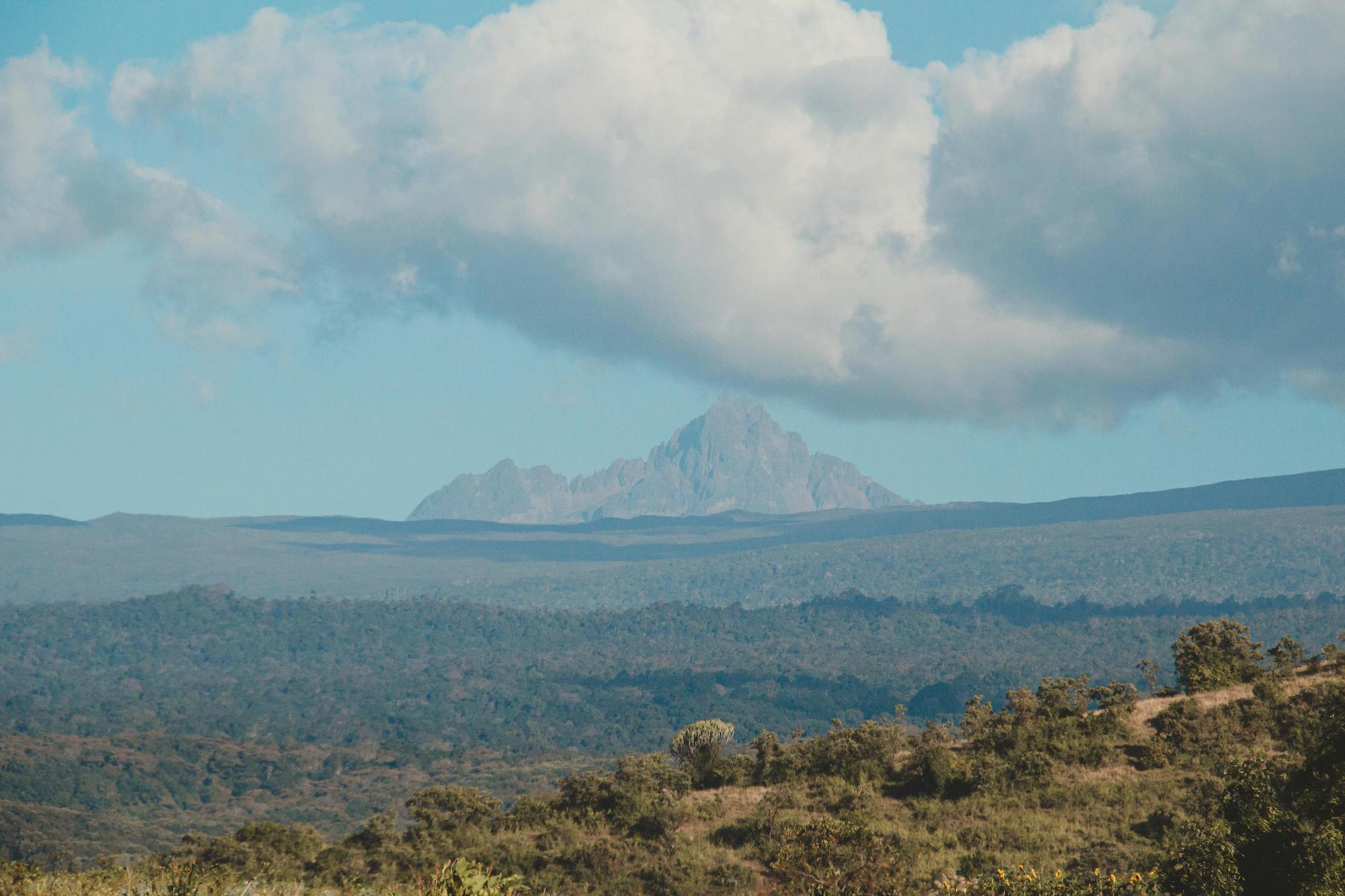
There is this popular gnome that goes… Everybody dies but not everybody lives. Ever wondered why this saying has circulated and gained traction over the years? I mean, why do people say it? How deep is the meaning attached to it? Video Link: https://www.youtube.com/watch?v=6X5ABYfFkz4 Journey to Lenana Peak  Well, as I live and breathe, this statement holds absolute truth – especially when the latter comes as a result of misguided decisions or a quest to fill a void through adrenaline rushes originating from a negative headspace. For this reason, curious souls from different walks of life, coming from disparate yet distinctively unique points on this world, existing on this ginormous green and blue ball that sustains life itself; still seek to find this renewing clarity. And needless to say, it comes through nature. Just imagine this… High mountain peaks that make you realize just how much beauty goes unnoticed, even in the tiniest of details that life has so gracefully offered to us while we are busy chasing it.  The silence that overwhelms you, so profound that you can feel the faint thumping of your heart in your ears… almost as if for a second, you are a god. Views so breath taking, the breeze in your hair, the gust of fresh air reactivating your system and waking your inner child up, everything the light touches laid before you like a painter’s canvas in detail, and every physical feature you wanted to see from above actualizing before your very eyes. These adrenaline activities always bring a sense of clarity to the mind and soul, pushing your body beyond your physical limits and goals, all to feel alive again. Oh how this fond desire awakes your sleeping spirit as you set your eyes on the summit… and once there, the overwhelming ripples of emotions you are trying to piece up and understand moves up and down your spine to the tips of fingers. Electric excitement is the way I would put it. And where else to capture this special memory, solely and in the flesh than by going up Mt. Kenya, an ancient extinct volcano and the second highest peak in Africa. Fun fact, she was named a UNESCO World Heritage Site in 1997. So you know you’ll be carrying a piece of history in your hearts till the end of time.  About Mount Kenya Mount Kenya stands at 5199m tall, boasting as the tallest in Kenya, and the second-highest in Africa. With it comes several summits; which is basically the highest points of the mountain. They are namely: Batian, Nelion, and Point Lenana. Now, climbing a mountain has its challenges, and with every challenge comes a chance to embark on an adventure, testing your wits and your ability to conquer it. The Batian peak in the North Face, the highest peak of the mountain, standing at 5196m, is preferably climbed during the northern hemisphere’s summer, running from June through to August. This is because the mountain is on the equator, and so the sun will be slightly to the North, hence less ice and snow and some warmth for your racing heart. But wait! There’s more peaks!  The Nelion peak is in the South Face, 5188m tall, is trekked around the period of December to March, when the sun is on the route. The last peak is Point Lenana, standing at 4985m. People prefer the scenic Mt. Kenya route to Mt. Kilimanjaro’s (5895m) because of the abundant wildlife, stunning mountain lakes, and amazing wilderness views. Lenana Peak which is 4985m high is the most feasible route to trek with a panoramic view of the jagged volcano peaks, wide valleys, and stunning savanna making the experience challenging yet exhilarating at the same time. I kid you not, this is a one-time experience in Africa Mountaineering.  Mt Kenya Hiking via Naromoru-Chogoria Route The Journey from the County’s capital, Nairobi City, takes about 4 hours on road en route to the Naro moru destination. This is a local town close to the mountain base. Here, you will find a heated swimming pool, tennis courts, squash court, sauna, horse riding, bird watching, bars, restaurants and lounges, beautiful grounds for your heart’s desire, rooms with private bathrooms and a fully equipped Mountain Store for all your hiking needs! Day 1: Naromoru to Met Station The Naro Moru is the route most travelled by during the climb. The 17km Paved roads with signposts for the purpose of navigation lead to the park’s entrance, 2400m above sea level. At the entrance, the road continues on to the Meterological Station, a pathway culminating to 3050m. The ascension, stay and descent usually takes 3 days. This route is blessed to have bunkhouses at the camps, so carrying a tent is not a necessity. Well, unless you want to camp then have at it! Just as the yin and yang analogy states how the universe is governed by a set of two opposing and complementing principles that can be observed in nature, the friendly terrain is meets a section known as the Vertical Bog – a steep marshland of open uncultivated upland, typically covered with heather. This will be after you get through the African rosewood forest (hagenia) forest on a beautiful breath taking footpath that flows to the edge of the forest. On this blissful journey, you get the chance to be free and be yourself in the most natural state of mind, as you enjoy stunning wildlife views of the Waterbucks, Antelope, Olive Baboon, and the Sykes Monkey, all inhabitants of the forest there.  Day 2: Met Station to Mackinder With the latter day’s hurdles jumped, a new day starts a fresh with a new challenge to conquer – the 6 to 7 hour trek to Mackinder Camp. Mackinder’s campsite is the second campsite encountered along the Naro Moru trekking route and is located within the Teleki valley. This point will be the stopover for the night. At this campsite, you will witness the last stages of

Read more

Best Places to visit in Nairobi

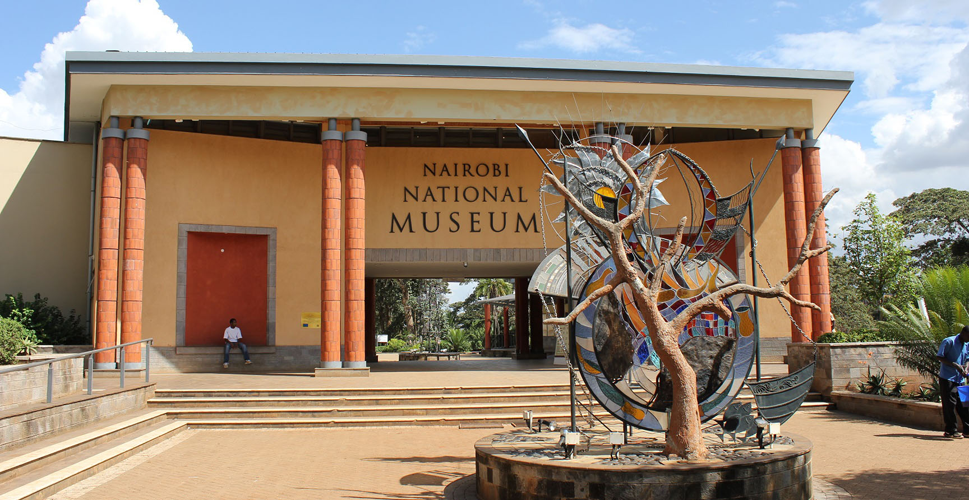
The World’s only Wildlife Capital” A short drive out of Nairobi’s central business district is the Nairobi National Park. Wide open grass plains and backdrop of the city scrapers, scattered acacia bush play host to a wide variety of wildlife including the endangered black rhino, lions, leopards, cheetahs, hyenas, buffaloes, giraffes and diverse birdlife with over 400 species recorded. Visitors can enjoy the park’s picnic sites, three campsites and the walking trails for hikers. The Giraffe Centre is located in Lang’ata, approximately 20 kilometers from the centre of Nairobi, Kenya. It was established in order to protect the vulnerable giraffe that is found only in the grasslands of East Africa In 1979, the Giraffe Center, a nature sanctuary for visiting and including wildlife conservation education for urban school children, was started by Jock Leslie Melville, the Kenyan grandson of a Scottish Earl, when he and his wife Betty captured two baby giraffe to start a programme of breeding giraffe on their Langata property, site of the present Centre. Since then the programme has had huge success, resulting in the introduction of several breeding pairs of Rothschild Giraffe into Kenyan national parks. By 1983 enough money had been raised to establish the Giraffe Visitor’s Center as a tourist destination just outside Nairobi. The main attraction for both school children and visitors is feeding giraffes from a raised observation platform. The Giraffe Center is also home to several warthogs which freely roam the area along with the giraffes The Nairobi National Museum is the flagship brand for the National Museums of Kenya. Located on Museum Hill, the museum showcases Kenya’s rich Heritage with four distinct themes representing Kenya’s Culture, Nature, History and Contemporary Art. Other attractions within the compound include the Snake Park and Botanical Gardens as well as a State of the Art Auditorium that occasionally hosts concerts, film shows and other events. Dining and shopping facilities await you after your tour with us in our commercial wing.  4. Bomas of Kenya Bomas of Kenya is a tourist village in Langata, Nairobi. Bomas displays traditional villages belonging to the several Kenyan tribes. Bomas of Kenya is home to one of largest auditorium in Africa. It is located approximately 10km from the Central Business District. Each boma (homestead) in this cultural village was built using traditional specifications of myriad Kenyan tribes; through architecture, crafts, music and dance this village serves to preserve Kenyan culture. The Ngong Hills are peaks in a ridge along the Great Rift Valley, located southwest near Nairobi, in southern Kenya. The word “Ngong” is an Anglicization of a Maasai phrase “enkong’u emuny” meaning rhinoceros spring, and this name derives from a spring located near Ngong Town Trek through the Ngong Forest Reserve on a hiking tour from Nairobi into the scenic Ngong Hills. You’ll set out on a trail that crosses each of the reserve’s seven hills, with the option to summit three or tackle the entire series, enjoying views of the Great Rift Valley and the Nairobi skyline as you walk. The Sheldrick Wildlife Trust is based in Nairobi, Kenya, with a field headquarters bordering Tsavo East National Park. The Sheldrick Wildlife Trust is a separately registered charity in the UK and is directly supported by Sheldrick Wildlife Trust USA, a registered 501(c)(3) in the United States. Born from one family’s passion for Kenya and its wilderness, the Sheldrick Wildlife Trust was established 45 years ago and is best known for its Orphans’ Project, the first and most successful elephant orphan rescue and rehabilitation program in the world. The Sheldrick Wildlife Trust is a pioneering conservation organisation, dedicated to the protection of wildlife and the preservation of habitats in East Africa. The Karura Forest Reserve is an urban upland forest on the outskirts of Nairobi, the capital of Kenya. The forest was gazetted in 1932 and is managed by the Kenya Forest Service in conjunction with the Friends of Karura Forest Community Forest Association. This remarkable geographical location and natural resource is one of the largest gazetted forests in the world fully within a city limits. It covers an area of about 1,000 ha (2,500 ac) consisting of three parts separated by Limuru and Kiambu roads and today is a shining example of how country-based corporate social responsibility and individual philanthropy can serve to secure and protect a country’s natural resources. The forest offers eco-friendly opportunities for Kenyans and visitors to enjoy a leafy  green respite from the hustle and bustle of the city to walk, to jog, or simply to sit quietly and experience the serenity of nature in all its diversity. Oloolua Forest is an important wildlife refuge and biodiversity hotspot.Considered as a lung for Nairobi, the forest covers 618 hectares and is home to significant acreage of indigenous trees. The forest is part of the larger Ngong Forest block which also comprises Ngong Hills and Kibiko Forest blocks. Within an ever increasing urban environment, the forest provides a safe heaven for a number of mammal species, birds, indigenous flora and fauna.The forest, a biodiversity hotspot is home to large numbers of indigenous trees, birds and small wildlife.   Not only is Oloolua Forest a wildlife and nature heaven, it’s the perfect opportunity to escape the hustle and bustle of Nairobi city life, you can explore the forest on various.  Nature Trails,  Visit the waterfalls,   Enjoy picnic lunches at the numerous picnic spots,  Visit the 37 meter Mau Mau cave,  Viewing Tower. East Africa’s largest entertainment and shopping destination.  The Village Market is East Africa’s largest Shopping, Recreation and Entertainment destination. The complex is home to over 150 outlets covering 210,000 square feet of retail space, 20,000 square feet of office space in addition to a host of recreation facilities.  As the name suggests, the complex embodies the spirit of the African market in an open-air setting. To live up to its African theme, are waterfalls, rivers and over 2000 exotic plants and gardens, giving this magnificent shopping centre an edge over other shopping malls. Since its inception 14 years ago, The Village Market has revolutionized shopping

Read more

Best Country to See the Wildebeest Migration, Kenya or Tanzania?

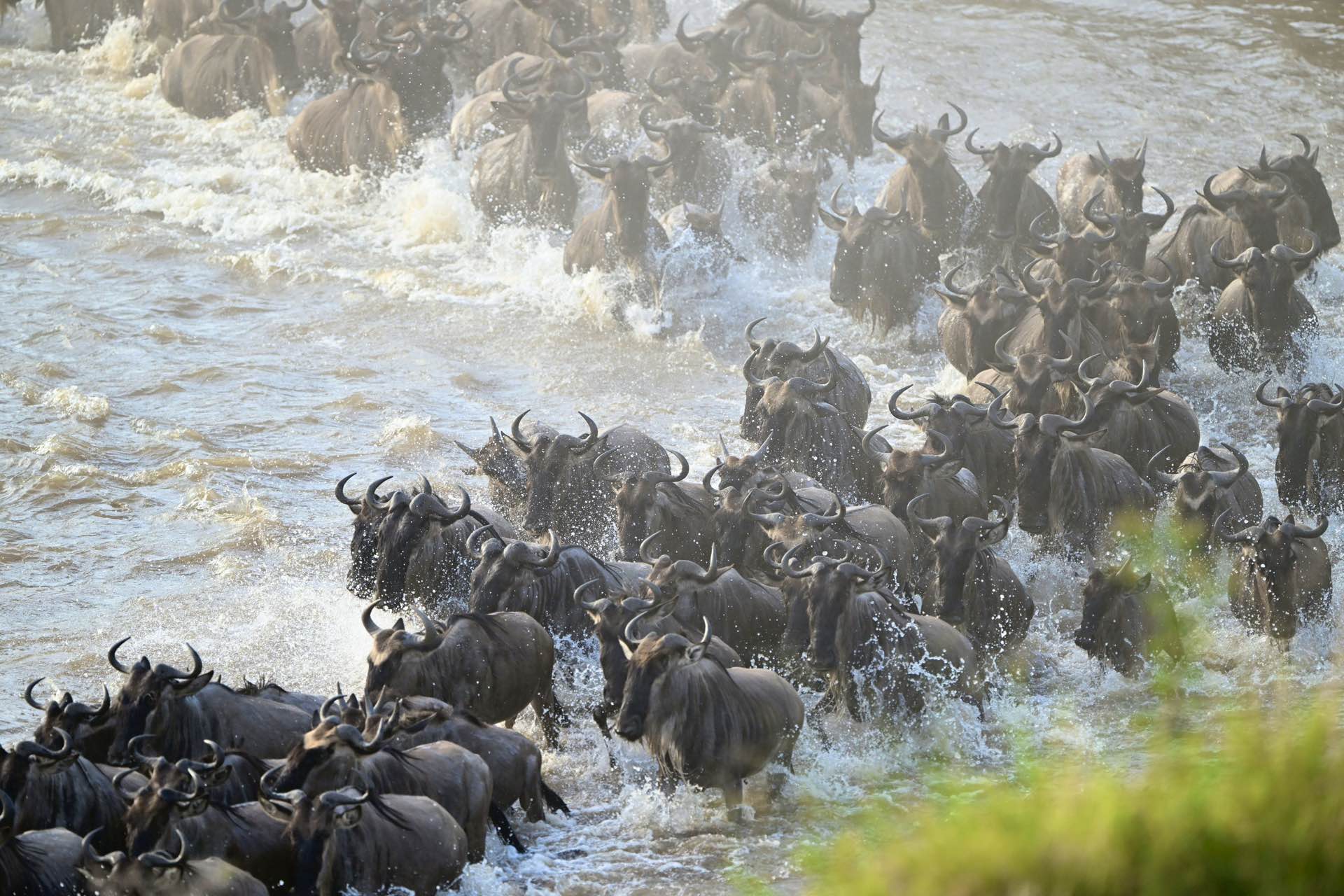
Many a time, travelers have debated where to go see the Wildebeest Migration. The two contenders; Kenya and Tanzania have both been battling it out for the top spot ever since the formation of the today we are here settling that age-old debate and give you an answer. Factors to Consider Before settling into one conclusion, here are several items to consider first. Video Link: https://www.youtube.com/watch?v=-1rXHlrORMc Travel Dates Since it happens year-round, there’s never a dull moment and visitors receive an up-close experience at any time of year between the two countries.  Therefore, the time you choose for your safari will critically determine your choice of destination. During the months of July to September, you will find the herds congregated in the Mara and for the rest of the year October to June they are to be found in Tanzania’s Serengeti. Have look here to see the Best Places to stay During the Migration. Video Link: https://www.youtube.com/watch?v=_U5rQWj7474 Distance Covered Serengeti is almost ten times bigger than Masai Mara, therefore to cover the whole ecosystem of Serengeti requires one to book longer days to have a wholesome experience of the area. For travelers who like a longer stay will definitely get to enjoy the sights and sounds of Serengeti. Meanwhile the smaller size of Mara might be convenient for those that prefer a shorter stay while getting to see the vast landscape and ecosystem. Also, it is easier to get from one end to the other when the migration happens and you happen to be on the opposite end. Overall Experience The Wildebeest Migration is a wondrous spectacle and the sheer experience differs from each country is quite apparent. For adventure lovers and photographers, the best place to catch the action is Kenya’s Mara since you will see sheer force of nature as predator and prey clash. The steep jump makes for quite a memorable moment as lions await on land and crocodiles on the river and the open plains provide for shots. While for the reserved ones who prefer a gentler and less graphic experience, we would recommend Tanzania’s Serengeti. Car Access Serengeti only allows land cruisers to go into the park as the designed car of choice, therefore, self-drive travelers with other car brands are left out of the equation. On the Kenyan side, however, cars are allowed into the park regardless if it’s a Vitz or Swift (woe unto you if you get stuck though!). Additionally, overland trucks are a favorite among locals as they go in huge droves to witness the migration. Crowds on Safari Ever since the Migration gained its popularity, it has pulled in large crowds that go there to witness this auspicious event. The Tanzanian side is ten times bigger than its Kenyan counterpart thus providing huge tracts of lands to explore. You will find these areas less crowded as compared to the Kenyan side where it has been seen to cause quite the traffic jam in the wild! Anytime something spectacular is happening like someone spotted a pride of lions or a leopard in a tree half a dozen jeeps or more will soon pulled up to watch, too. Though to be fair even the Tanzanian side sometimes gets packed during the peak season. Safari Budget Making that journey requires a budget and depending on your reach this is how these two countries differ. Both Serengeti and Masai Mara require a fee before you enter, Park Fees. The Park Fees in Tanzania’s Serengeti during the peak season for a Non-Resident is USD71 per day while, Kenya’s Masai Mara charges the same $100 (Low Season and $200 (High Season) per day provided your choice of accommodation is inside the Greater Mara.  However, for those staying in a hotel, lodge or tented camp there is a stark difference. Majority of the properties on the Tanzanian side range from high end to luxury thus the cost of accommodation is much higher. The Kenyan side accommodation caters to travelers of different budgets from affordable to luxury. Depending on your scale of spend you may consider this as a factor. Video Link: https://www.youtube.com/watch?v=25JCPBvh8B0 Better Option? So, which is the better country to see the Migration? After taking all these factors I believe you may have come to a conclusion unto which side works best you as everyone has different needs and expectation based on the above factors. Choose wisely… Thinking of having your Migration safari this year or the next? We’re here to help, with expert information just a click away. Reach out to us and consult with our experts today: sales@bobuafrica.com or Whatsapp: +254 705 709 998

Read more

20 Reasons Why You Should Travel To Kenya

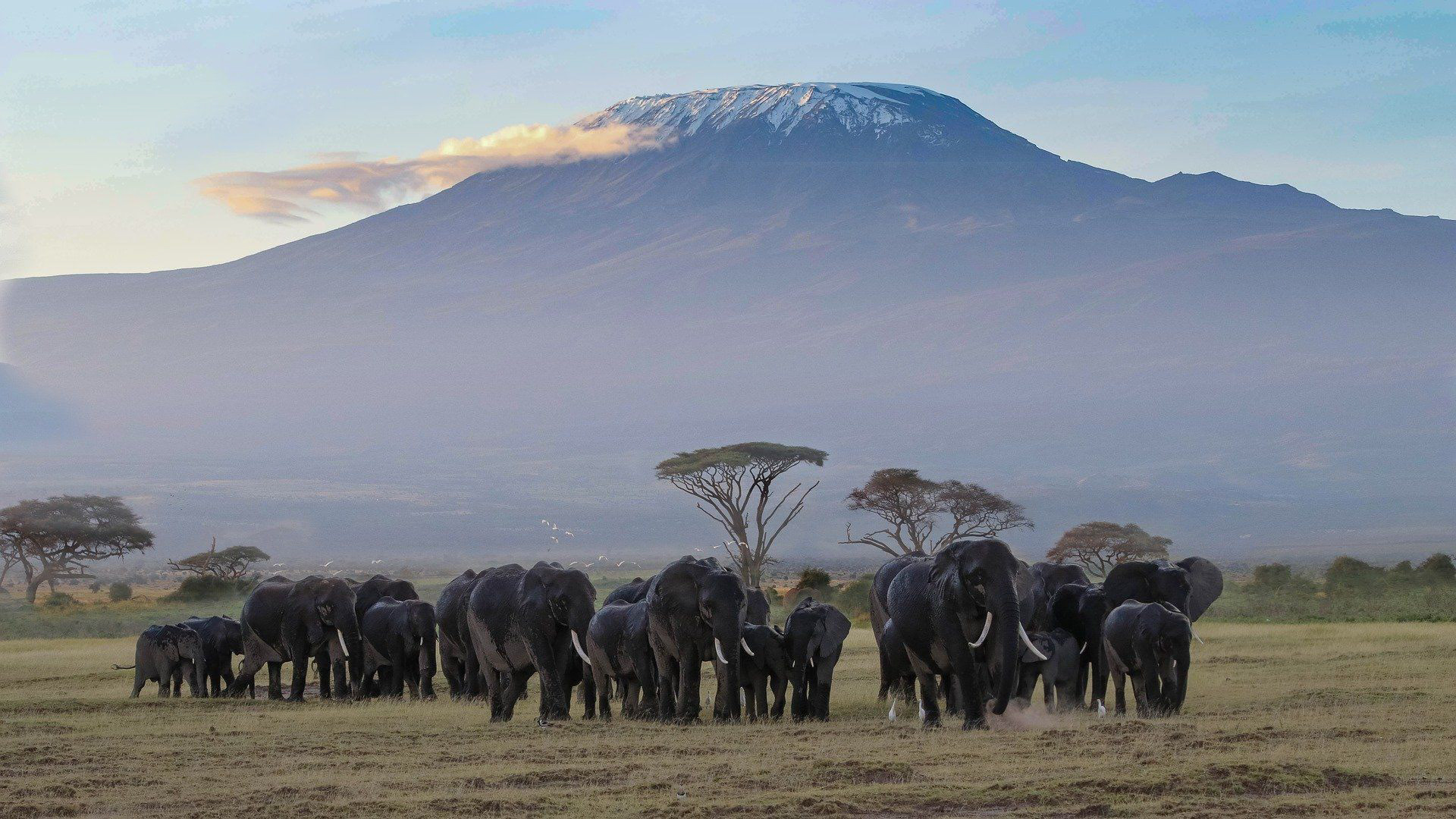
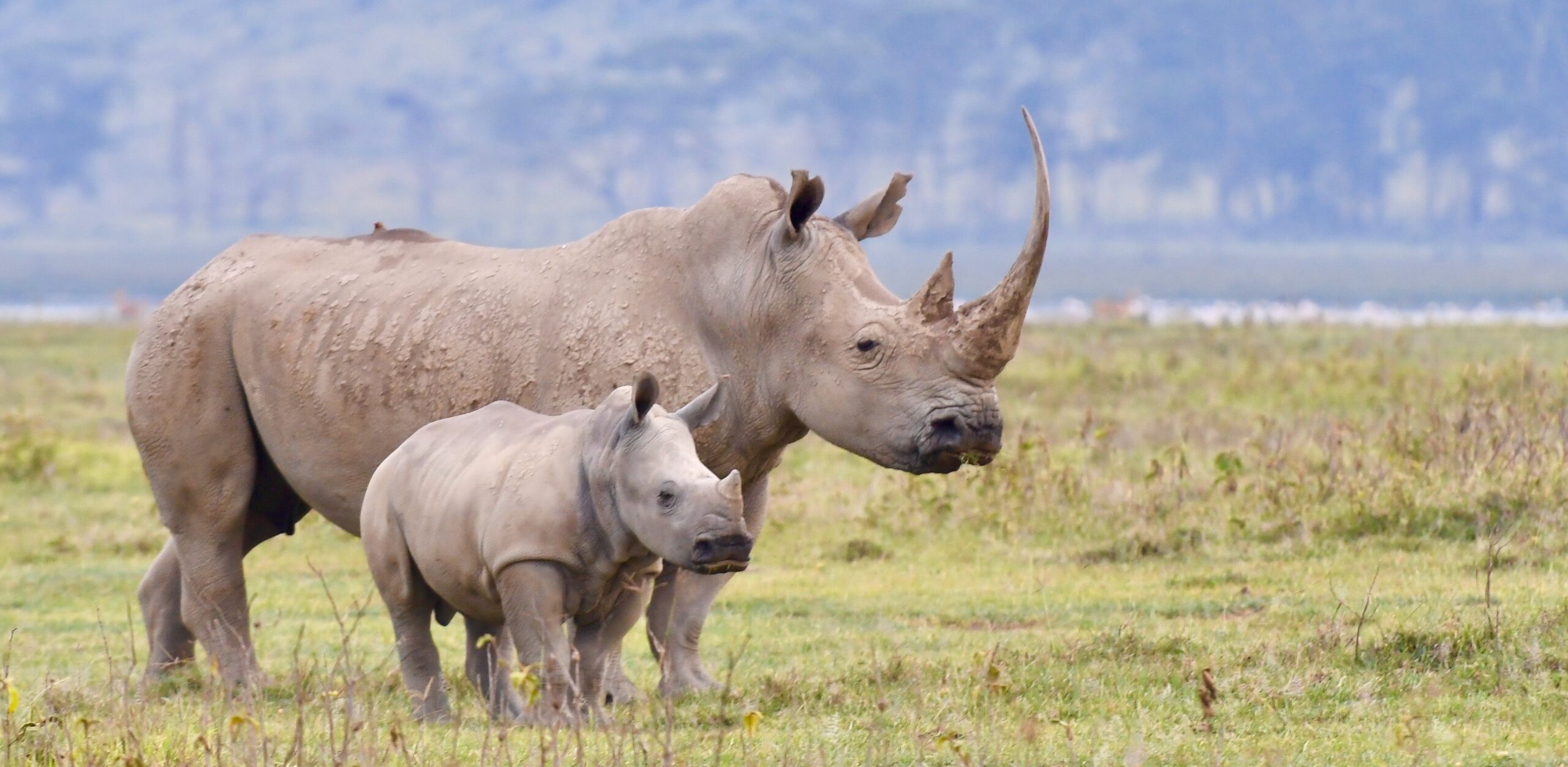
There are a lot of amazing sites to visit in Kenya if you want to have your own African experience. The country is recognized for its exquisite rustic environment and cultural sophistication, as well as its rich history and abundant natural beauty. In actuality, Kenya might just be Africa’s best-kept tourism secret. Kenya is a lovely place to visit because of the intriguing areas that are revered for their beauty and offer unmatched opportunities to unwind and relax in African style. If you are eager for your own African experience, there are plenty of fascinating places to explore in Kenya. The country is steeped in history, lauded with bountiful natural beauty, and renowned for refining its rustic ambiance and cultural elegance. As a matter of fact, Kenya may simply be the best-kept travel secret in Africa. The fascinating places are treasured for their beauty, and they offer unequaled opportunities to unwind and relax in African style; thus, making Kenya a beautiful country to visit.  1. The Great Wildebeest Migration in Maasai Mara  One of Africa’s most stunning game reserves is the Maasai Mara National Reserve (commonly known as “Maasai Mara”). The Serengeti’s northern extension, the Mara, borders Tanzania and creates a wildlife corridor between the two nations. It is named for the statuesque Maasai tribe, who have lived in the area for millennia and still graze their animals here while wearing red cloaks. Maa, which in their language means “mottled,” may be a reference to the way the acacia trees and cloud-covered skies cast light and shadow on the broad plains. Video Link: https://www.youtube.com/watch?v=25JCPBvh8B0 The park is well-known for the Great Migration, which occurs from July to October and involves millions of wildebeest, zebra, and Thomson’s gazelles moving toward and away from the Serengeti. Numerous hippos and crocodiles lurk in the Mara River. Due to its relatively significant populations of lion, cheetah, and leopard, the park is also renowned for offering exceptional predator sightings, particularly during the dry months of December through February. Because of the park’s elevation, the climate is pleasant and moderate all year long. 2. View the Largest Mammals and Kilimanjaro at Amboseli  Crowned by Mount Kilimanjaro, Africa’s highest peak, Amboseli National Park is one of Kenya’s most popular tourist parks. The name “Amboseli” comes from a Maasai word meaning “salty dust,” an apt description for the park’s parched conditions. The park is one of the best places in Africa to view large herds of elephants up close. Other wildlife commonly spotted in the park includes big cats, such as lion and cheetah, as well as giraffe, impala, eland, waterbuck, gazelle, and more than 600 species of birds. Video Link: https://www.youtube.com/watch?v=i8xvdrGp_aM Nature lovers can explore five different habitats here, ranging from the dried-up bed of Lake Amboseli to wetlands with sulfur springs, savannah, and woodlands. Look for the local Maasai people who live in the area around the park. Accommodation: Ol Tukai, Kibo Safari Camp, Elewana Tortilis Camp, Amboseli Serena Safari Lodge, Kibo Villa Amboseli, Little Amanya Camp, Kilima Safari, Camp,  3. Red Elephants of Tsavo  Kenya’s largest park, Tsavo, is sliced in two: Tsavo West and Tsavo East. Together these parks comprise four percent of the country’s total area and encompass rivers, waterfalls, savannah, volcanic hills, a massive lava-rock plateau, and an impressive diversity of wildlife. Midway between Nairobi and Mombasa, Tsavo East is famous for photo-worthy sightings of large elephant herds rolling and bathing in red dust. The palm-fringed Galana River twists through the park, providing excellent game viewing and a lush counterpoint to the arid plains. Other highlights here include the Yatta Plateau, the world’s longest lava flow; Mudanda Rock; and the Lugard Falls, which spill into rapids and crocodile-filled pools. Tsavo West is wetter and topographically more varied, with some of the most beautiful scenery in the northern reaches of the park. Highlights here are Mzima Springs, a series of natural springs with large populations of hippos and crocodiles; Chaimu Crater, a great spot for seeing birds of prey; and Ngulia Rhino Sanctuary. Wildlife is not as easy to see in Tsavo West because of the denser vegetation, but the beautiful scenery more than compensates. Accommodation: (Tsavo West) Ngulia Safari Lodge, Finch Hattons, Severin Safari Camp, Kilaguni Serena Safari Lodge, Voyager Ziwani Tented Camp. (Tsavo East) Ashnil Aruba, Voi Wildlife Lodge, Satao Tented Camp, Sentrim Loyk Tsavo Camp, Kulalu Camp 4. Special Five at Samburu On the banks of the palm-lined Ewaso Nyiro River, Samburu, Buffalo Springs, and Shaba Reserves lie in an arid region in the remote north of Kenya. Shaba National Reserve is one of two areas where George and Joy Adamson raised Elsa the lioness, made famous in the film Born Free. The wildlife in all three reserves depends on the waters of the river to survive, and many species are specially adapted to the parched conditions. These include Grevy’s zebras; Somali ostriches; and gerenuks, the long-necked antelope that stand on two rear legs to reach the fresh shoots on upper tree limbs, the Reticulated giraffe, and the Beisa Oryx. A top attraction in Samburu National Reserve is the Sarara Singing Wells, local watering holes where Samburu warriors sing traditional songs while hauling water for their cattle to drink. You might also be rewarded with sightings of big cats and wild dogs. Accommodation: Samburu Sopa Lodge, Ashnil Samburu, Simba Lodge, Sentrim Camp, Intrepids Camp, Elephant Watch, Samburu Game Lodge, Elephant Bedroom, Larsen’s Camp 5. Lake Nakuru Rhino Heaven Lake Nakuru National Park, in Central Kenya, is famous for its huge flocks of pink flamingos. The birds throng on Lake Nakuru itself, one of the Rift Valley soda lakes that covers almost a third of the park’s area. Video Link: https://www.youtube.com/watch?v=XWSo_meYq2U The park was established in 1961, and more than 450 species of birds have been recorded here, as well as a rich diversity of other wildlife. Lions, leopards, warthogs, waterbucks, pythons, and white rhinos are just some of the animals you might see, and the landscapes range from sweeping
Read more