

Most travelers looking for hidden birding gems in Kenya and Tanzania imagine a secret place with no other vehicles, a rare bird in perfect light, and the quiet satisfaction of having discovered something overlooked. Sometimes that happens. More often, the real hidden gem is less romantic and more useful. It is the place that changes the trip.

That may sound less glamorous than a mythical undiscovered hotspot, but it is how strong East Africa birding routes actually work. A lesser-known wetland can add more to the list than another night in a famous mammal park. A dry-country stop can reset the entire species profile of the safari. A forest edge can feel slower at first, then quietly become one of the most important parts of the route.
At Bobu Africa, we usually treat hidden birding gems as places that add disproportionate ecological value relative to how often they appear in mainstream safari planning. In field terms, a hidden gem is less about remoteness and more about what it contributes that the rest of the itinerary does not.
That is the spirit of this list. These are not obscure locations chosen for novelty alone. They are overlooked birding stops in Kenya and Tanzania that often add more to a serious trip than another famous safari block in repeated habitat.
What makes a birding place a true hidden gem
A true hidden gem is not simply less famous. Plenty of lesser-known places are also logistically awkward, thin in bird activity, or too narrow to justify the detour. The places worth your time are the ones that change the route in a meaningful way.
In real safari planning, that usually means one of four things. The place adds a new habitat, improves access to a difficult bird community, creates a more productive pace for observation, or fills a gap that iconic parks leave behind. One transfer day often costs two prime wildlife windows, so the hidden gem has to earn those hours.

In our 15 years of field operation across East Africa, we see this mistake most often: travelers chase famous names for reassurance and miss the quieter stop that would have made the whole route stronger. A strong safari is not defined by one dramatic sighting, but by repeated high-quality field sessions in the right habitats.
1. Lake Baringo, Kenya
Lake Baringo is not exactly unknown among serious birders, but it is still underused by mainstream East Africa safari planning. That makes it a genuine hidden gem in practical terms. Many classic Kenya itineraries remain heavily weighted toward Mara, Amboseli, and perhaps Naivasha, leaving out one of the most strategically useful birding areas in the country.
What makes Baringo special is not just the species count. It is the way it changes the tone of the route. Dry scrub, acacia, cliffs, lake edge, and nearby rocky country work together to produce a semi-arid bird community that feels very different from southern Kenya. This is where many itineraries stop repeating themselves and start deepening properly.
For photographers, Baringo is also attractive because many birds show in relatively clean settings. The light can be good, the backgrounds often simpler than in dense woodland, and the field rhythm more deliberate.
Practical advice: two full birding days is a sensible baseline. Baringo is one of those places that can look optional on paper and then feel essential once you are there.
2. Lake Bogoria, Kenya
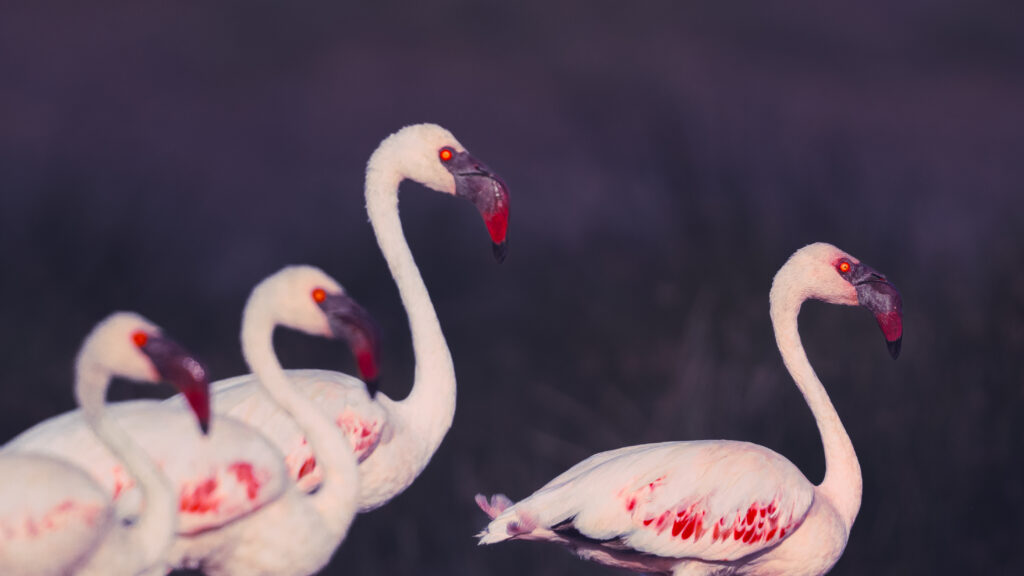
Lake Bogoria often gets overshadowed by better-known Rift Valley names, yet it can be one of the most visually distinctive and strategically useful birding stops in Kenya. Its alkaline character, dramatic escarpment framing, and concentration of water-associated life make it a strong complement to Baringo rather than a duplicate.
This is a place where landscape and birding work together especially well. The atmosphere feels sharper, more mineral, more graphic. For travelers who care about both observation and visual memory, Bogoria often leaves a stronger impression than expected.
Practical advice: pair Bogoria with Baringo rather than treating it as a standalone detour. Together, they create a much stronger Rift dry-country and lake-edge block than either does alone.
3. Arabuko-Sokoke Forest, Kenya
Arabuko-Sokoke is one of the clearest examples of a place that serious birders know but general safari planning often neglects. That neglect is exactly why it matters. Many Kenya itineraries remain completely inland, which means they miss one of the country’s most valuable ecological shifts.
This forest is important because coastal systems do a different job from inland forest or savanna. The birding here feels more localized, more specialized, and often more dependent on patient fieldwork. It is not the kind of place that overwhelms you immediately with spectacle. It is the kind of place that deepens the route and sharpens the final list.
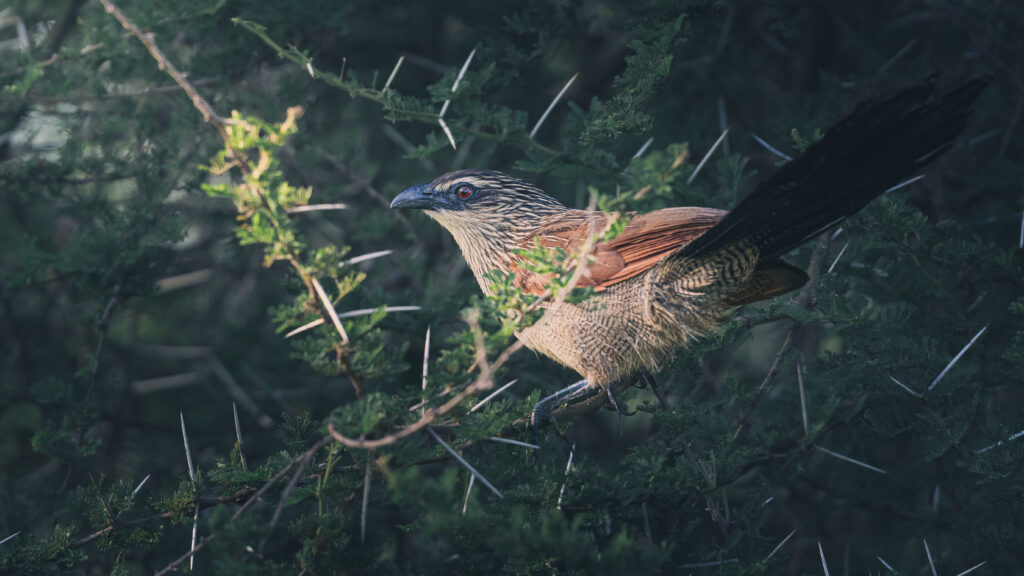
For photographers, Arabuko-Sokoke is more challenging than open country, but that is part of its appeal. The work becomes more selective and more satisfying.
Practical advice: if your trip already has strong inland birding, the Kenyan coast can be the move that turns a good route into a genuinely rich one. Place it cleanly at the beginning or end of the itinerary where possible.
4. Mida Creek, Kenya
Mida Creek is often paired with Arabuko-Sokoke, and rightly so, but it deserves independent attention. Tidal edge, creek systems, shorebirds, roosting activity, and coastal light give it a different field character from the forest nearby. This is not just an add-on. It is a separate visual and ecological asset.
The reason Mida Creek counts as a hidden gem is that many travelers who come to the coast still think mainly in beach terms. Birders should think in tidal logic instead. Water movement changes the value of a session here, and timing matters.
Practical advice: work the tides deliberately. In field terms, Mida is less about spending all day out and more about being there at the right stage of water movement.
5. Kinangop Plateau, Kenya
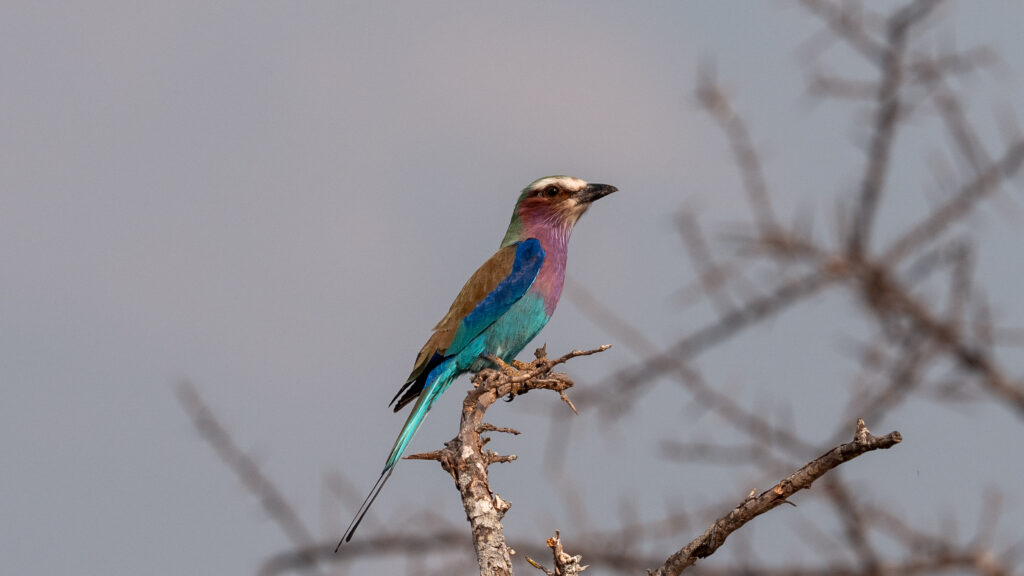
Kinangop Plateau is not the kind of place that appears in glossy safari marketing, which is exactly why it remains useful to serious birders. Highland grassland is one of the most underappreciated birding habitats in Kenya, partly because it looks quiet until you understand what you are looking for.
This area matters because it breaks the assumption that a high-value birding stop needs to feel theatrically wild. Kinangop works through altitude, open country, and specialist habitat. It is a strong reminder that hidden gems are often about ecological precision, not scenic fame.
Practical advice: do not expect a classic safari atmosphere here. Come for targeted highland and grassland birding, ideally with a guide who knows the area well.
6. South Nandi Forest, Kenya
South Nandi Forest rarely makes mainstream Kenya travel lists, but it offers exactly the kind of forest value that experienced birders learn to respect. It is quieter in reputation than Kakamega, and that can make it attractive to travelers who want forest birding without leaning entirely on the obvious name.
The appeal here is not that it replaces the country’s bigger forest sites. It is that it can add nuance and a different pace to a route that would otherwise remain too open-country heavy.
Practical advice: use South Nandi when the itinerary already supports forest time and when the trip benefits from more depth rather than more spectacle.

7. Mkomazi, Tanzania
Mkomazi National Park, Tanzania, is one of the clearest hidden gems in the broader East Africa conversation. Overshadowed by Serengeti, Ngorongoro, and Tarangire, it is often ignored by travelers who would benefit most from it. That is a mistake, especially for birders interested in dry-country and northern Tanzania variation.
Mkomazi has a different feel from the better-known northern circuit parks. It is drier, quieter, and in some ways more stripped back. That is exactly where its birding value lies. Instead of repeating the visual and ecological language of the classic circuit, it introduces a fresh one.
For photographers, that can be a major advantage. The space feels cleaner, the atmosphere less overfamiliar, and the final body of work more distinctive.
Practical advice: Mkomazi works best for travelers who already understand that a strong birding route does not need every stop to be famous. It needs every stop to be useful.
8. Usambara Mountains, Tanzania
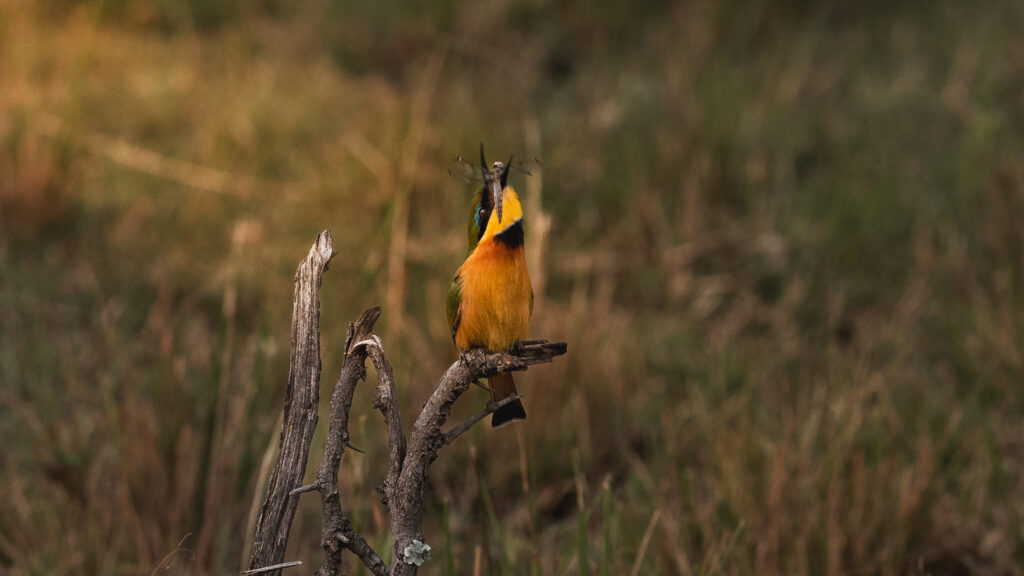
The Usambara Mountains are one of Tanzania’s most rewarding overlooked birding regions because they slow the route down in exactly the right way. Montane forest, edge habitat, elevation shifts, and localized bird communities make this a deeply valuable contrast to the open-country north.
This is not a place you add for speed. It is a place you add for texture, depth, and species that are difficult to recover elsewhere. In field terms, the Usambaras are less about safari momentum and more about ecological refinement.
Practical advice: the Usambaras need time and patience. If you are going to include them, do it properly. A rushed visit often misses what makes the mountains worthwhile.
9. Lake Jipe, Tanzania and Kenya border zone
Lake Jipe is one of those places that rarely appears in mainstream itineraries yet makes immediate sense once you see its ecological role. Wetland systems near better-known dry-country and savanna areas often create exactly the kind of contrast that lifts a route.
Jipe is useful because it can be folded into broader Kenya Tanzania planning without feeling artificially remote. For birders, that kind of efficient habitat shift is gold. For photographers, wetlands also introduce a different image mood, calmer and more layered than open plains work.
Practical advice: treat Lake Jipe as a strategic wetland counterpoint, not as a headline destination. Its value lies in what it adds to the surrounding route.
10. Ndutu in the green season, Tanzania
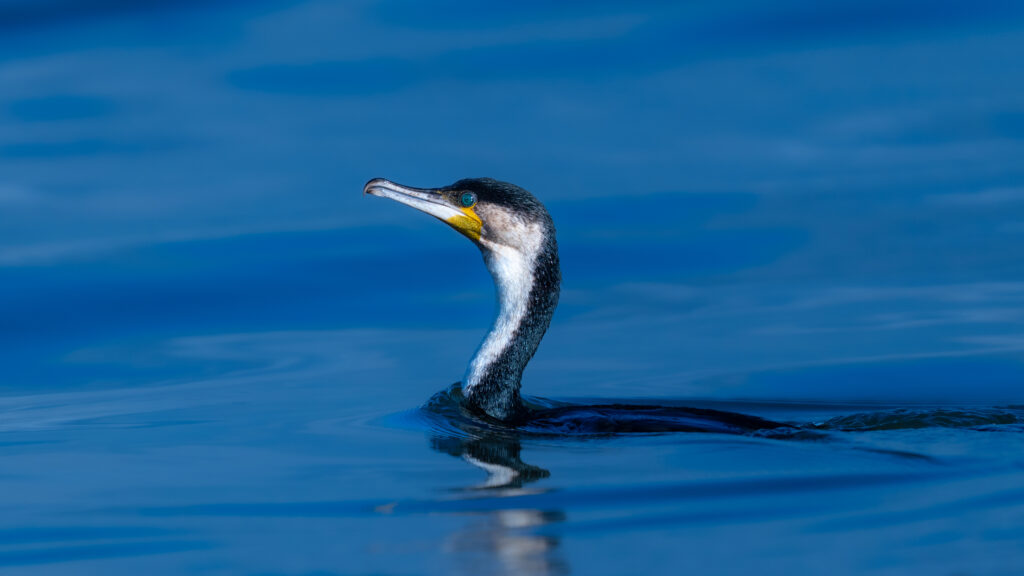
Ndutu may not look like a hidden gem at first glance, but in birding terms it often is. Many travelers read it almost entirely through migration and big cat photography, especially in calving season. Birders who slow down and look properly find a much richer and more varied field story than that reputation suggests.
What makes Ndutu feel hidden is not obscurity. It is under-reading. Woodland edge, pans, open short-grass plains, seasonal water, and shifting activity create a more layered birding environment than many people expect from a place so strongly branded around mammals.
Practical advice: if you are already using the southern Serengeti system in the green season, treat Ndutu as more than a mammal stage. It can quietly become one of the most useful birding blocks in the route.
How to choose the right hidden gems
Not every hidden gem belongs on every safari. The right choice depends on what the existing route lacks.
At Bobu Africa, we usually think about hidden birding additions in terms of ecological function:
- choose Baringo or Mkomazi when the route needs stronger dry-country contrast
- choose Arabuko-Sokoke and Mida Creek when the itinerary needs a coastal lift
- choose Kinangop or the Usambaras when elevation and specialist habitat matter
- choose Lake Jipe or Bogoria when the route needs a wetland or lake-edge shift
- choose South Nandi when forest depth matters more than mainstream recognition
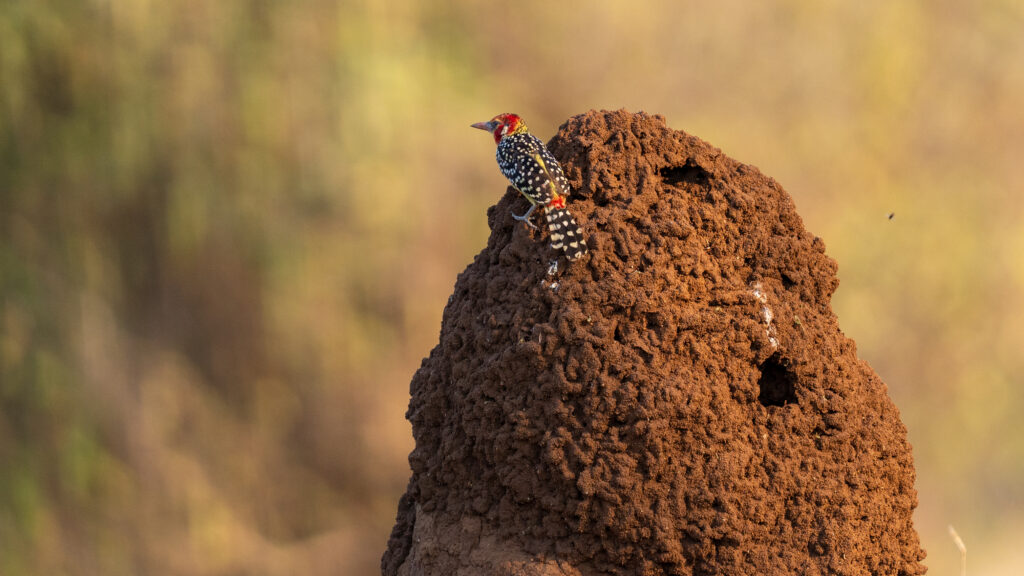
Three nights usually means six prime field sessions. That is enough time to justify one strong hidden-gem block if it changes the species profile meaningfully. What rarely works is trying to force too many subtle stops into the same trip. One well-chosen quiet place often does more than three rushed ones.
Why these places matter more than they look
The real value of hidden birding gems in Kenya and Tanzania is not secrecy. It is leverage. They often add more than expected because they solve a weakness in the route. They are the places that experienced field planners notice because they shift the list, the pace, and sometimes the whole feel of the safari.
For photographers, that also means originality. A strong portfolio is less about famous labels and more about visual variety, habitat change, and repeated productive sessions. For birders, it means the final tally is shaped by smart planning rather than simple name recognition.
In real safari planning, hidden gems usually mean places that add high ecological value without demanding headline status. That is why they matter.
FAQ
What are the best hidden birding gems in Kenya and Tanzania
Some of the most useful hidden birding gems include Lake Baringo, Lake Bogoria, Arabuko-Sokoke, Mida Creek, Kinangop Plateau, South Nandi Forest, Mkomazi, the Usambara Mountains, Lake Jipe, and Ndutu in the green season. They matter because each adds a different habitat or field function.
Are hidden birding gems better than famous parks
Not always. Famous parks still matter, especially for broader safari value. The point is that a well-chosen hidden gem often adds more species depth than another repeated block in similar habitat.
How many hidden birding stops should I include in one trip
Usually one or two is enough if they are chosen well. The aim is not to make the route obscure. It is to make it ecologically stronger.
Are these places only for serious birders
No. Many of them also work well for wildlife photographers and safari travelers who want a trip to feel more layered, less predictable, and more field-smart.
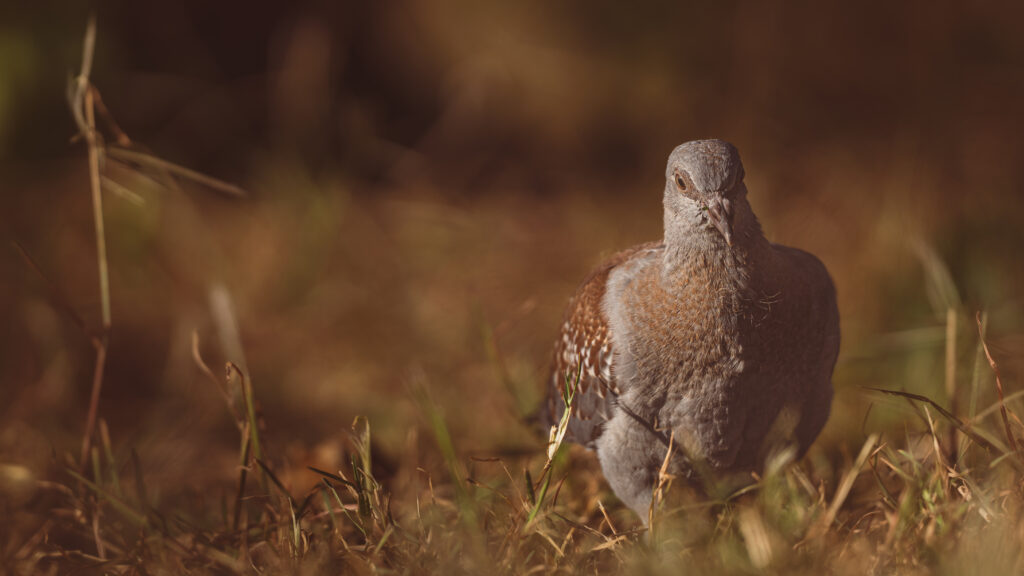
A softer, smarter way to build the route
If you want to shape a Kenya and Tanzania birding journey with more depth, stronger habitat contrast, and cleaner field logic, Bobu Africa can help build it as a professional creative route rather than a generic safari loop. The goal is not to collect obscure names. It is to use the right overlooked places at the right moment so the whole journey becomes richer.
FAQ
Q: What are the best hidden birding gems in Kenya and Tanzania
A: Some of the most useful hidden birding gems include Lake Baringo, Lake Bogoria, Arabuko-Sokoke, Mida Creek, Kinangop Plateau, South Nandi Forest, Mkomazi, the Usambara Mountains, Lake Jipe, and Ndutu in the green season. Each matters because it adds a different habitat or a different field function.
Q: How many hidden birding stops should I include in one trip
A: Usually one or two is enough if they are chosen well. As a planning rule, the hidden stop should solve a habitat gap in the route rather than simply making the itinerary longer or more obscure.
Plan Your Journey
If you want, Bobu Africa can help turn this into a field-smart Kenya and Tanzania birding route built around habitat contrast, realistic pacing, photography priorities, and the overlooked places that genuinely improve the trip.