

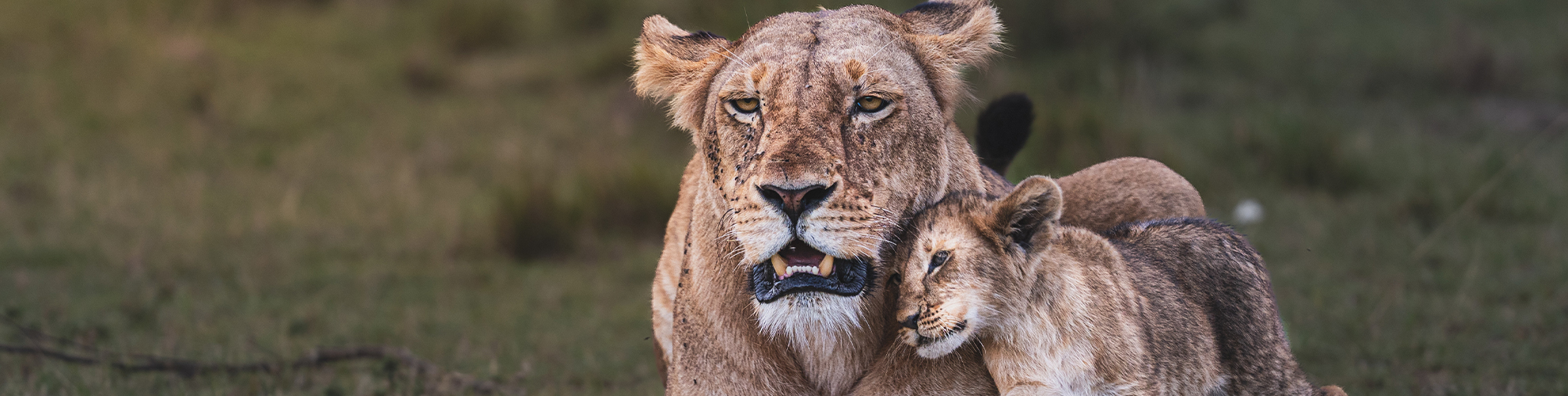
Most safari guests think the hard part is finding wildlife. In East Africa, the harder part is knowing what to do once you have found it.
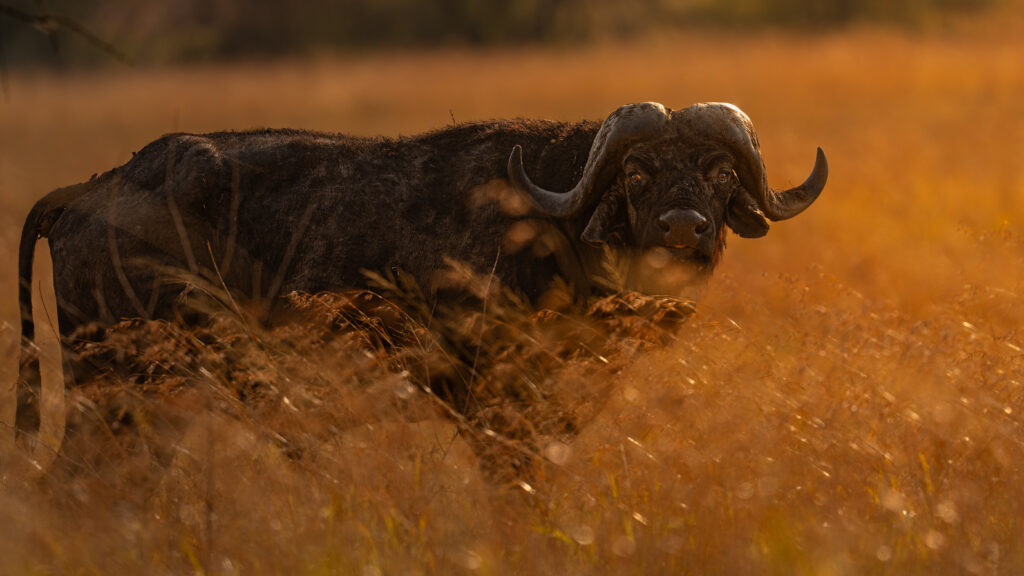
That is the gap a resident photographer often fills. Not by turning every guest into a serious photographer, and not by making the safari feel like a workshop from dawn to dusk, but by teaching people how to see more clearly in the field. A lion on a termite mound, a malachite kingfisher on a reed, a herd of elephants crossing dust in Amboseli, all of these can feel brief and chaotic unless someone helps you understand timing, angle, distance, and patience.
In real safari planning, learning on safari usually means learning how to notice. The camera is only part of it. The more important lesson is how to stay present long enough for the sighting to open up.
A resident photographer is not just there for camera settings
The phrase resident photographer can sound cosmetic, as if it simply means there is someone on hand to help with lenses and memory cards. In the field, the role is much more practical. A good resident photographer helps guests understand what makes a sighting stronger, what weakens it, and when it is worth holding position instead of rushing off in search of the next animal.
At Bobu Africa, we usually treat a resident photographer as a field interpreter, not only a technical instructor. That matters because many guests arrive wanting better photographs, but leave having gained something broader: a more observant safari eye.
This is especially valuable in East Africa, where strong sightings are often built in layers. In Maasai Mara (Kenya), a cheetah encounter may begin as a distant rest under a bush before turning, twenty minutes later, into a hunt sequence or a scan toward topi on the plain. In Samburu (Kenya), the first minutes with a reticulated giraffe or a vulturine guineafowl flock can feel visually messy until someone shows you where the clean angle is and why the background matters. In Ndutu (Tanzania), the story may not be one dramatic moment at all, but the repetition of predator movement, calf vulnerability, and changing light across several drives.
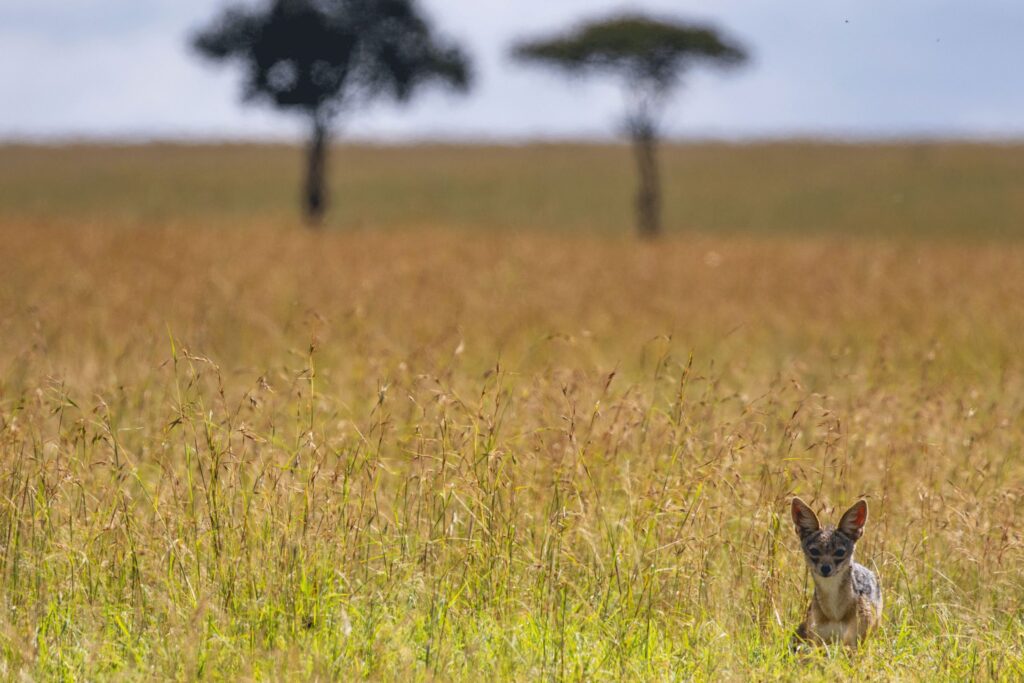
A strong safari is not defined by one dramatic sighting, but by repeated high-quality field sessions. That is one of the most important things travelers learn from being around a working photographer.
The first lesson is patience, not gear
One of the most common safari mistakes is assuming that every sighting reveals itself immediately. Guests often arrive with a hero-shot mindset. They see the animal, take a quick photo, and mentally move on. Experienced field photographers do the opposite. They assume the first minute is only the start of the information.
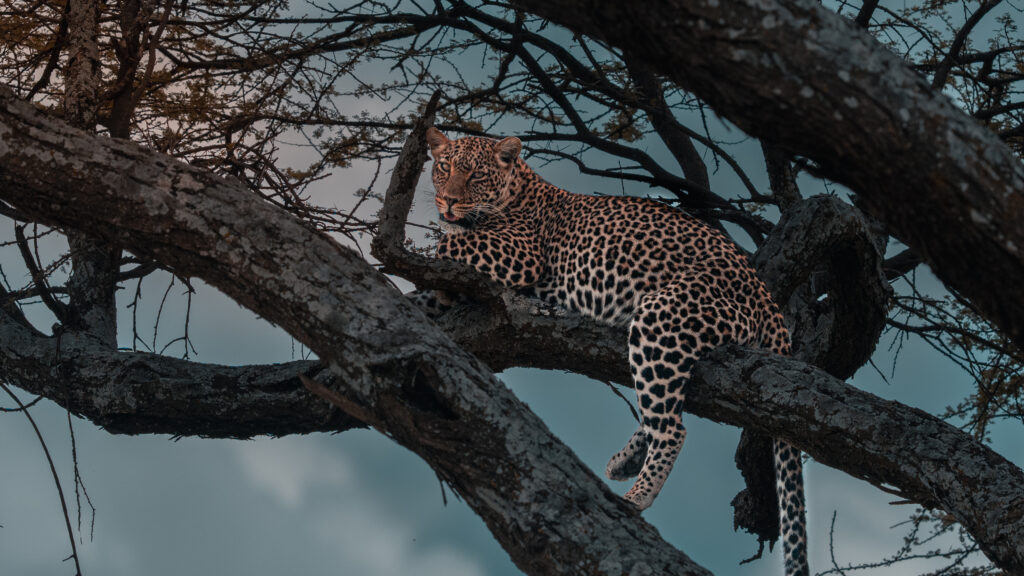
In our 15 years of field operation across East Africa, we see this mistake most often when guests are excited by species count and underinvested in field time. They want one frame of the leopard, one frame of the elephant herd, one frame of the fish eagle, then the vehicle moves. What they miss is the next layer: the elephant calf reaching under the mother, the leopard choosing a branch, the fish eagle leaning forward before launch.
A resident photographer slows the pace in a useful way. Not slow for the sake of being slow, but slow in the right places. That is a field skill. It teaches travelers that the best moments are often not the first visible moment, but the first meaningful shift in the scene.
For photographers, this is obvious. For non-photographers, it still changes the experience. You begin to read intention in wildlife rather than just identify species.
You learn how light changes the whole value of a sighting
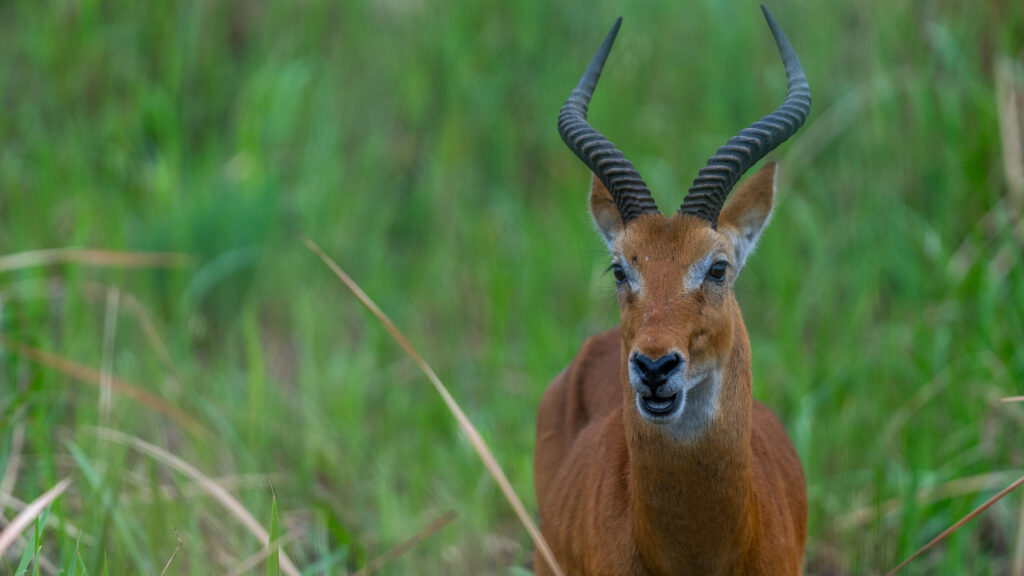
Guests often judge a sighting by rarity. Field people judge it by quality as well. A common animal in beautiful light can be more memorable, more informative, and more visually satisfying than a rarer animal seen badly.
In field terms, good safari photography is less about rare species and more about usable conditions. The direction of the sun, the openness of the background, the animal’s line of movement, and the way dust or cloud softens a scene all affect whether a sighting becomes flat or exceptional.
This is one reason early morning and late afternoon remain so valuable. The point is not simply that the light is warm. It is that shape becomes clearer, contrast becomes gentler, and the landscape starts working with the animal rather than against it. In Amboseli (Kenya), side light on elephants can separate body texture from pale dust and distant Kilimanjaro haze. In Serengeti (Tanzania), low-angle light can turn a line of wildebeest into rhythm and depth instead of visual clutter.
A resident photographer helps guests understand that moving the vehicle ten meters, waiting five minutes, or choosing not to shoot into a harsh sky can completely change the result. Even if you are using a phone or a compact camera, the lesson carries over. Better seeing usually beats better equipment.
You learn that position matters more than closeness
Many first-time safari travelers assume the best vehicle position is simply the closest one. In practice, the best position is the one that gives you a clean line, stable light, and room for the animal to behave naturally.
In the Mara ecosystem, location matters more than room glamour when field hours are limited. The same logic applies inside a sighting. Position matters more than raw proximity when the goal is to see well.
A resident photographer will often explain why a vehicle slightly farther back may have the better frame, the cleaner background, or the more natural animal posture. Being too close can flatten perspective, crowd the subject, or interrupt the moment. With birds, it can be even more obvious. A lilac-breasted roller perched cleanly against open space is stronger than the same bird jammed into branches from the wrong angle.
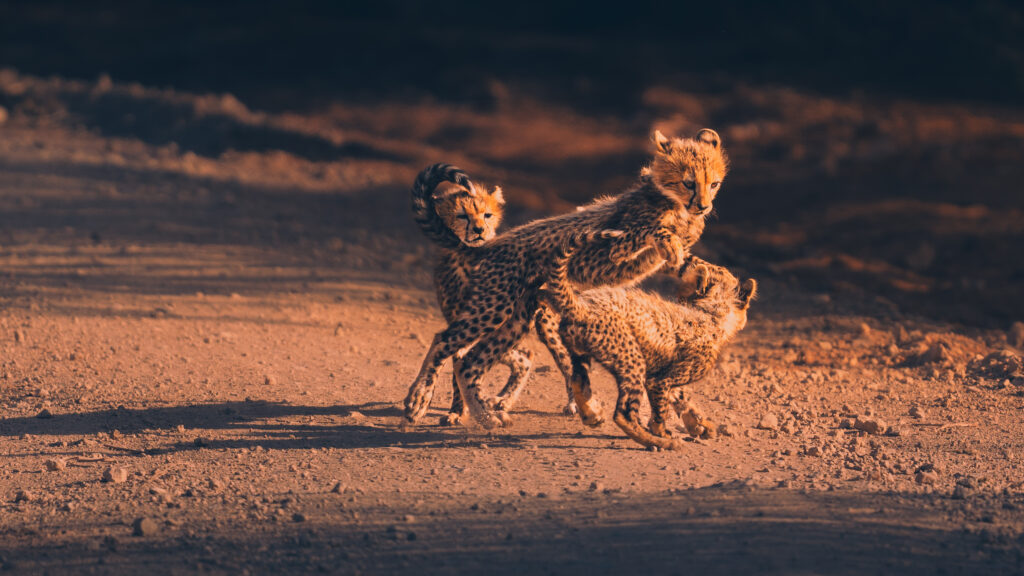
This becomes a lesson in restraint. Guests learn that not every close encounter is a good encounter. A well-judged position often gives both better viewing and better images.
You start noticing the build-up before the action
The biggest shift many travelers experience is learning to read pre-action cues. Wildlife photography is not only about reaction speed. It is about anticipation.
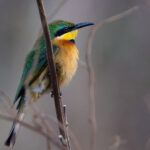
A photographer in the field is constantly asking small predictive questions. Is the cheetah becoming alert to prey movement. Is the secretary bird about to stride into open ground. Is the elephant family tightening formation because there is a youngster crossing. Is the bee-eater shifting posture before takeoff.
These cues matter because the action itself may last seconds. If you only notice movement after it starts, you are often already late. A resident photographer teaches guests to watch the edges of a scene: ear position, gaze direction, body angle, spacing between animals, the tension in stillness before release.
That is valuable even for travelers who never touch a camera. It turns passive game viewing into active field observation.
You learn trade-offs instead of generic safari advice
A lot of safari content on the internet gives broad advice without showing the cost of each decision. Field-based guidance is better because it explains the trade-off.
One transfer day often costs two prime wildlife windows. That is a practical planning rule, not a slogan. If you move camps at the wrong time, you may save money or change scenery, but you lose the best early and late field sessions.
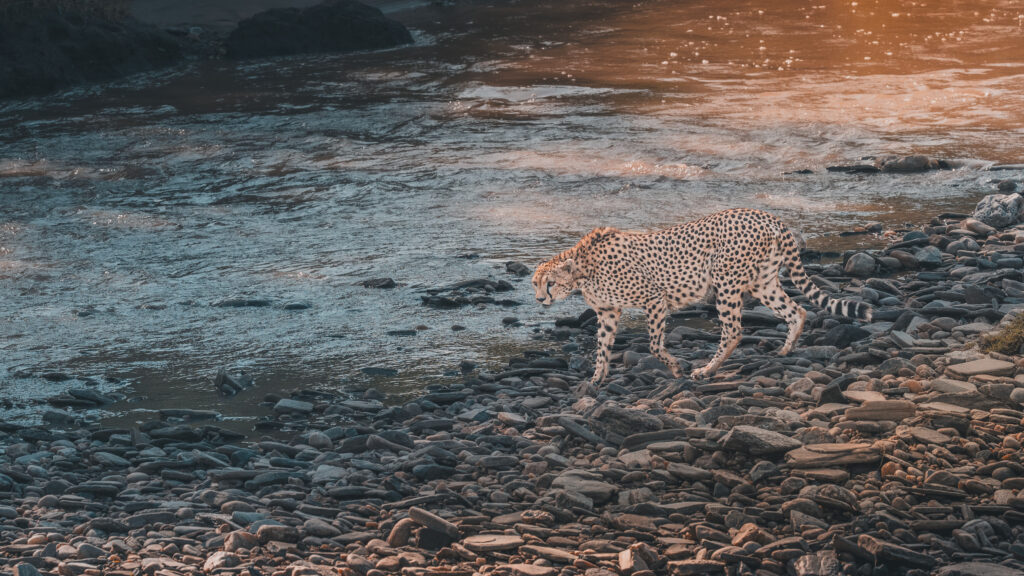
Three nights usually means six prime field sessions. At Bobu Africa, we usually treat that as the practical baseline for any area where guests care about photography, birding, or a deeper wildlife rhythm. Less than that can still work, but it usually means you are relying on luck rather than consistency.
This is where a resident photographer adds value far beyond camera tuition. They often help guests understand why a shorter list of well-positioned camps, fewer rushed park changes, and more repeated time in one habitat produce a better trip. For photographers, this is less about headline spectacle and more about full-trip consistency. For general safari travelers, it means a calmer and more immersive journey.
The education is often strongest for non-photographers
There is a useful misconception that only serious photographers benefit from this kind of guidance. In reality, non-photographers often gain the most because they are learning a whole new way of paying attention.
Birders start hearing more structure in the landscape once they understand perches, feeding edges, and light direction. Families begin recognizing that an elephant crossing, a baboon troop on the move, or a pride resting before dusk is not static at all. Premium travelers who care about depth rather than speed discover that the richest part of safari is often the unfolding, not the checklist.
This is especially relevant in East Africa because habitats are so different in the way they reveal wildlife. Samburu teaches you to watch dry-country texture and thorn habitat carefully. The Mara teaches horizon reading and movement across open plains. Amboseli teaches scale and atmosphere. Ndutu teaches seasonal concentration and the vulnerability that follows the calving period. Serengeti teaches distance judgment and patience over wide country.
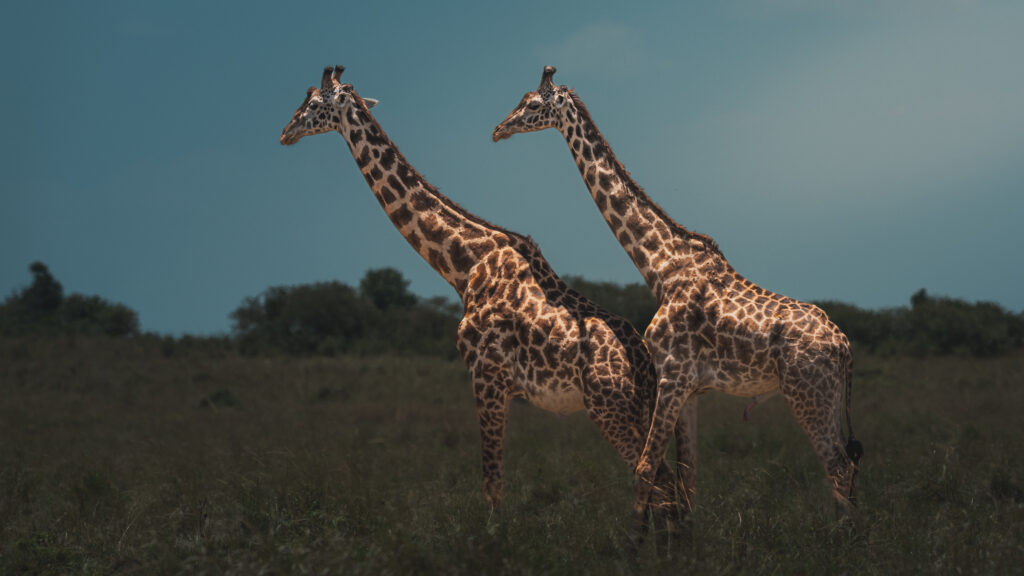
A resident photographer gives guests a way to connect these landscapes to actual field practice. You stop seeing parks as names on an itinerary and start understanding what each ecosystem asks of your eyes.
You also learn how to travel better with a camera
There is a practical side too. Guests often pick up useful habits quickly when a photographer is embedded in the experience.
That may include how to brace in a vehicle without overcomplicating gear, how to manage dust sensibly, when to switch lenses and when not to, how to back up files each evening, how to avoid wasting time on constant settings changes, and when to put the camera down and simply watch. These sound minor, but together they reduce frustration and free more attention for the actual safari.
The best guidance is never heavy-handed. It meets people where they are. A beginner may learn how to make a phone image cleaner by thinking about horizon line and sun angle. A more experienced photographer may refine burst discipline, subject separation, or storytelling across a full game drive. A birder might get more help with field craft than with image files. The common thread is practical usefulness.
What this means when choosing a safari
If you are considering a safari with access to a resident photographer, the real question is not whether you need photography lessons. The better question is whether you want a more intelligent experience in the field.
A resident photographer is most valuable when the trip is designed to leave room for that value. That means enough nights in each area, guides who understand positioning, vehicles that support patient viewing, and an itinerary that does not sacrifice field sessions to excessive transit. It also helps when expectations are framed correctly from the start. You are not booking a brochure-style extra. You are adding field judgment to the journey.
That is particularly useful for couples or mixed-interest groups where one person cares deeply about photography and another simply wants a richer safari. Good field interpretation serves both.
The real takeaway
The most useful thing you learn from a resident photographer is not how to copy a style. It is how to recognize that safari rewards depth.
You begin to understand that a good sighting is not only about rarity, and a good day is not only about numbers. A better safari comes from better timing, better position, better patience, and enough room in the itinerary for wildlife to reveal more than its outline.
That is why the presence of a resident photographer can quietly reshape the whole trip. Not by making it more technical, but by making it more observant, more grounded, and ultimately more memorable.
If the point of safari is to come back having truly seen East Africa rather than merely passed through it, that is a serious advantage.
FAQ
Do I need to be a serious photographer to benefit from a resident photographer on safari
No. Many guests benefit even if they are using a phone or taking only casual images. The biggest gain is learning how to read light, timing, and animal movement, which improves the safari experience for anyone.
Will a photography-focused safari feel too technical or slow for non-photographers
Not if it is handled well. A good resident photographer does not turn every drive into a classroom. The best ones help guests notice more in the field while keeping the experience relaxed and responsive to the group.
How many nights should I stay in one safari area if I care about photography
Three nights is usually the practical baseline. That gives you six prime field sessions, which is often the minimum needed for changing light, repeat opportunities, and stronger consistency.
Which East Africa areas are especially rewarding with photographic guidance
Maasai Mara, Amboseli, Samburu, Serengeti, and Ndutu all reward this approach, but in different ways. Open plains teach anticipation and positioning, while drier or denser habitats often reward patience, angle, and careful visual selection.
FAQ
Q: Do I need to be a serious photographer to benefit from a resident photographer on safari?
A: No. The biggest value is not advanced camera technique but field awareness. A resident photographer helps you read light, anticipate movement, and understand when to wait, reposition, or stay with a sighting longer. That improves the safari for photographers, birders, and general travelers alike.
Q: How many nights should I plan in one safari area if I want better photographic opportunities?
A: Three nights is usually the practical baseline. That gives you six prime field sessions, which creates enough room for changing light, repeat sightings, and stronger wildlife rhythm. Shorter stays can work, but they rely more on luck and usually reduce consistency.
Plan Your Journey
If you want a safari shaped around better field time rather than generic sightseeing, Bobu Africa can design it that way. Our journeys are built as creative field solutions, with thoughtful pacing, strong guiding, and the kind of on-the-ground photographic insight that helps guests come home with more than a species list.