

Migratory bird season in East Africa usually refers to the period when non-resident birds arrive or pass through the region in meaningful numbers, especially Palearctic migrants escaping the northern winter. But that is only part of the story.
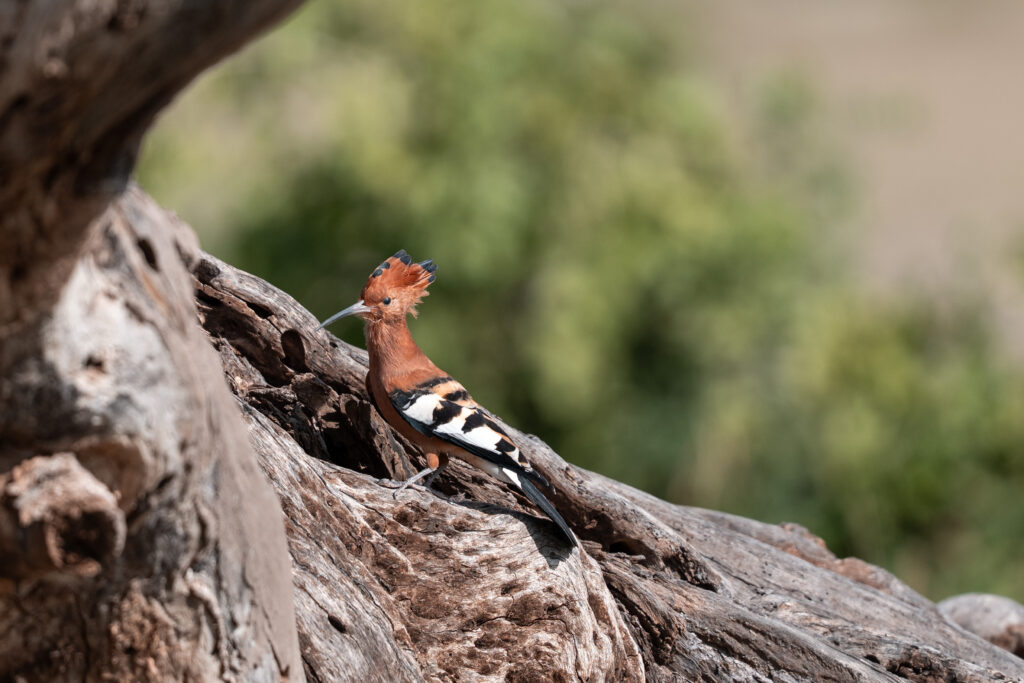
Many travelers ask about migratory bird season in East Africa as if it begins on one date, peaks neatly, and then ends. That is understandable, but it is not how the region behaves in the field. Migration here is not a single event. It is a changing cast of birds moving through wetlands, lakes, grasslands, coast, and open country over several months, often with different regions peaking in different ways.
That matters because migration changes more than a checklist. It changes the feel of the safari. A familiar wetland can suddenly become more animated. A dry-country circuit can pick up extra movement and variety. A lake edge that seemed calm in one season can become crowded, layered, and photographically richer a few months later. If you understand migration as a rolling season rather than a fixed moment, East Africa becomes much easier to plan well.
At Bobu Africa, we usually treat migratory bird season in East Africa as a broad timing band rather than a single month. In field terms, migration is less about one best date and more about matching habitat, route, and target species to the right part of the annual cycle.
This is especially important because East Africa sits at the meeting point of resident bird life, intra-African movement, and Palearctic migrants arriving from Europe and Asia. So when people ask when migration happens, the more truthful answer is that different kinds of migration overlap across the year, but the richest general period for travelers usually runs from around October through April.
What migratory bird season means in East Africa
Migratory bird season in East Africa usually refers to the period when non-resident birds arrive or pass through the region in meaningful numbers, especially Palearctic migrants escaping the northern winter. But that is only part of the story.

In real safari planning, migration usually means three things at once: seasonal arrivals from outside Africa, regional movement within Africa linked to rain and habitat condition, and local changes in visibility and bird activity as wetlands fill or grasslands shift. That is why the same calendar month can feel very different in Maasai Mara, Kenya, Lake Naivasha, Kenya, Samburu, Kenya, or the Tanzanian coast.
For birders, migration usually means more variety. For photographers, it often means more energy, more mixed flocks, and a richer sense of season. But it also comes with trade-offs. Wet months can improve bird activity while complicating roads and route efficiency. One transfer day often costs two prime wildlife windows, so chasing migration without route discipline can weaken the trip.
The broad migration pattern across the year
East Africa does not have one migration switch. It has a progression.
September to November
This is when the first meaningful build begins for many migratory birds, especially as Palearctic migrants start arriving. Some wetlands, lake systems, and open-country areas begin to feel more animated, and experienced birders often read this as the opening act rather than the full performance.
October and November are especially important because they combine fresh arrivals with the first ecological responses to seasonal rains in many areas. In field terms, this is when the region starts feeling newly populated. Shorebirds, raptors, swallows, bee-eaters, wagtails, and other migrants begin to add visible variety.
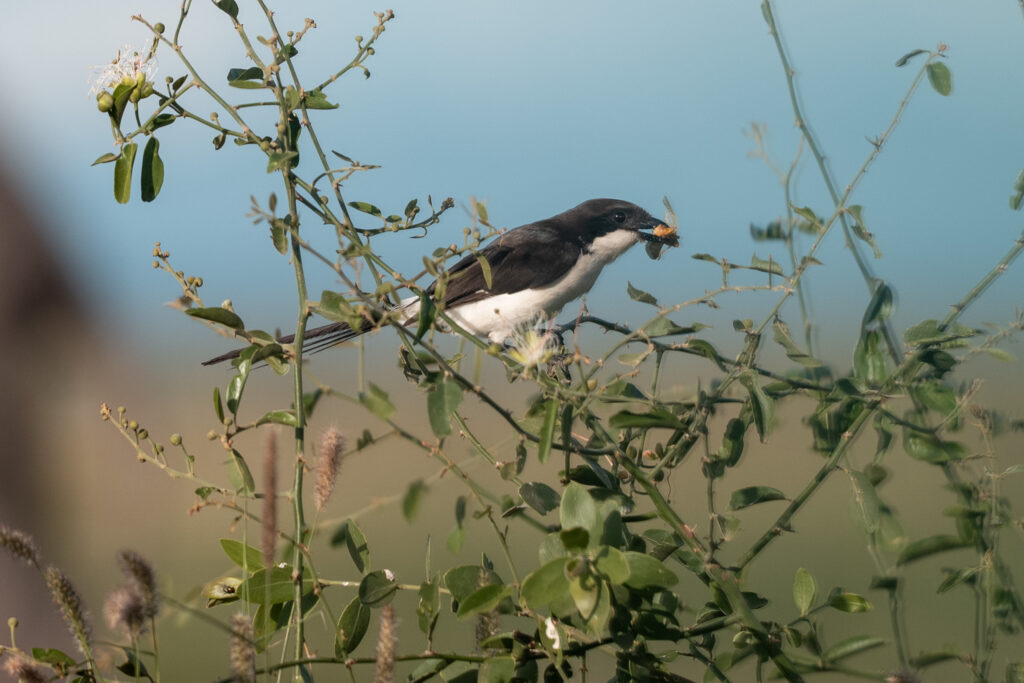
At Bobu Africa, we usually treat October to November as the practical baseline for travelers who want to feel migration starting to reshape the birding experience without waiting for the later peak.
December to February
This is often the richest general period for migratory birding in East Africa. By now, many migrant species are present, resident birds remain active, and a wide range of habitats can feel both bird-rich and photographically rewarding.
For many travelers, this is the easiest answer to the migration question because it offers both substance and usability. Wetlands are often productive, open-country circuits remain strong, and the whole region can feel visually alive. This is also a particularly attractive period for bird photographers, because activity, plumage, and habitat freshness often work well together.
In our 15 years of field operation across East Africa, we see this mistake most often: travelers hear that migration is active and then plan too broadly across too many regions. The better approach is to accept that three nights usually means six prime field sessions and build around fewer, stronger habitat blocks.
March to April
Migration is still part of the East Africa story in March and often into April, but the quality of the experience becomes more conditional. In some areas, bird activity remains rich and the visual mood becomes greener and softer. In others, heavier rain and more difficult access begin to complicate movement.
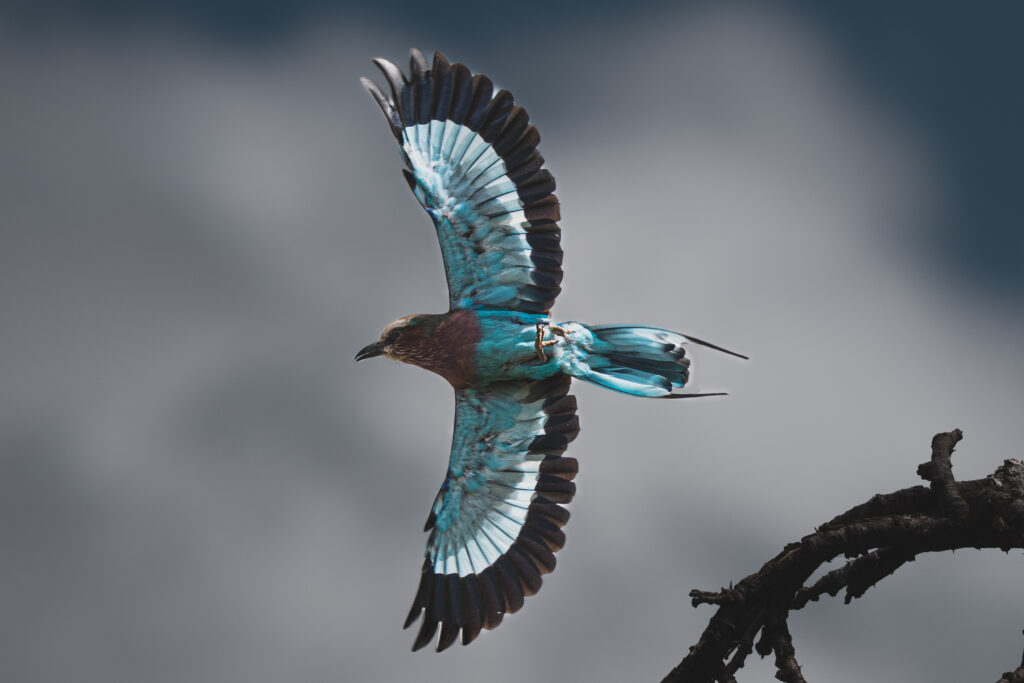
This is a rewarding period for travelers who value atmosphere and are comfortable with some logistics risk. It is less about crisp operational ease and more about ecological richness. Some routes become more beautiful and more difficult at the same time.
May to August
This is usually the quieter answer to the migration question, at least in terms of classic northern-winter migrant presence. That does not mean East Africa becomes poor for birding. It simply means the character of the safari shifts back toward resident species, local breeding patterns, and habitat-specific strength rather than the broader migrant influx.
For some photographers and safari travelers, this can be an advantage. The route may become cleaner, drier, and easier to manage. But if your explicit goal is migratory diversity, this is usually not the main target window.
Which habitats are best during migratory bird season
Migration in East Africa is not evenly distributed. Habitat matters more than many travelers expect.
Wetlands and Rift Valley lakes
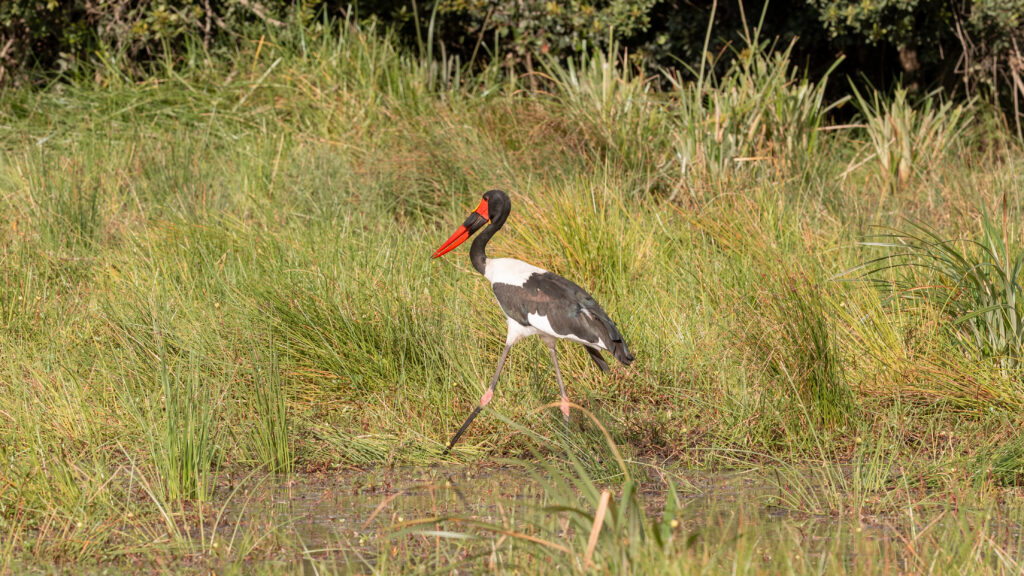
If you want to feel migration quickly, wetlands and lakes are often the clearest starting point. Lake Naivasha, Kenya, Lake Bogoria, Kenya, and other Rift-associated waters often become visibly richer when migratory birds are present. Waders, ducks, herons, shorebirds, and mixed waterbird activity can turn a good wetland into a much more layered field experience.
This is especially important for travelers who want migration to be obvious rather than technical. A productive wetland often makes the seasonal change legible even to non-specialists.
Open savanna and grassland
Places such as Maasai Mara, Kenya, Serengeti, Tanzania, and Ndutu, Tanzania, do not stop being valuable during migratory bird season simply because they are mammal-famous. In fact, open country can become richer and more varied than many travelers expect when migrants are present.
In field terms, migration in savanna is less about one spectacle and more about accumulated variety. Raptors, swallows, pipits, wagtails, shrikes, and open-country insect hunters often help the safari feel more active and less predictable.
Dry country
Samburu, Kenya, and Lake Baringo, Kenya, are useful reminders that migration does not only belong to wetlands. Dry-country landscapes can become especially interesting when resident specialists are joined by seasonal visitors and broader movement patterns.
For photographers, this can be particularly rewarding because dry-country birding often offers cleaner backgrounds and more readable perches than denser habitats.
Coast and tidal systems
The East African coast becomes highly relevant during migratory periods, especially for shorebirds and travelers who want a more complete regional picture. Places such as Mida Creek, Kenya, and broader coastal systems in Kenya and Tanzania often become far more dynamic when seasonal movement is active.
In real safari planning, the coast is often the difference between a generally good migrant season trip and a genuinely complete one.
What migration means for photographers
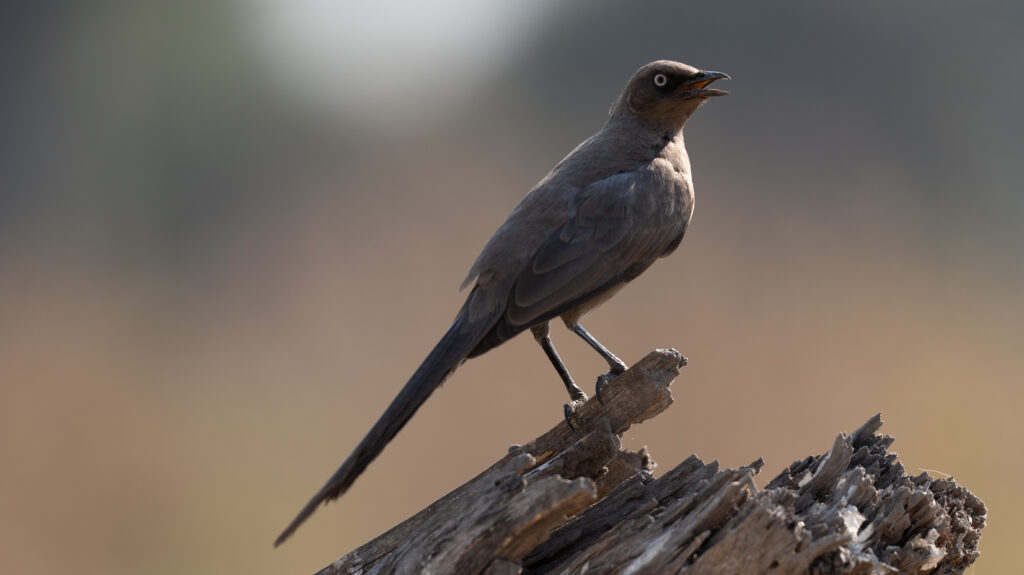
Migration does not guarantee better photographs, but it often gives photographers more opportunities. More birds means more movement, more variety, and more chances for layered habitat scenes. It can also mean fresher seasonal color, especially when migration overlaps with greener conditions.
The trade-off is straightforward. The same seasonal pattern that improves ecological richness can also create more weather variability, taller grass, muddier access, and less predictable movement between destinations. For photographers, migration is less about headline spectacle and more about full-trip consistency shaped by the right habitat and timing.
A practical baseline is this: if bird photography matters seriously, build at least 7 to 10 nights around two or three habitat types rather than trying to sample everything. Migration rewards focus.
The biggest planning mistake travelers make
The most common mistake is assuming migratory bird season means you can go anywhere in East Africa and get the same result. That is not how the region works.
In field terms, migration is less about the map of East Africa and more about the map of habitat. A lake route performs differently from a dry-country route. A coastal extension plays a different role from a forest block. Travelers who understand that usually come home with a stronger trip and a better sense of season.
A strong safari is not defined by one dramatic sighting, but by repeated high-quality field sessions. Migration matters most when it improves those sessions rather than simply enlarging the species list on paper.
So when should most travelers go
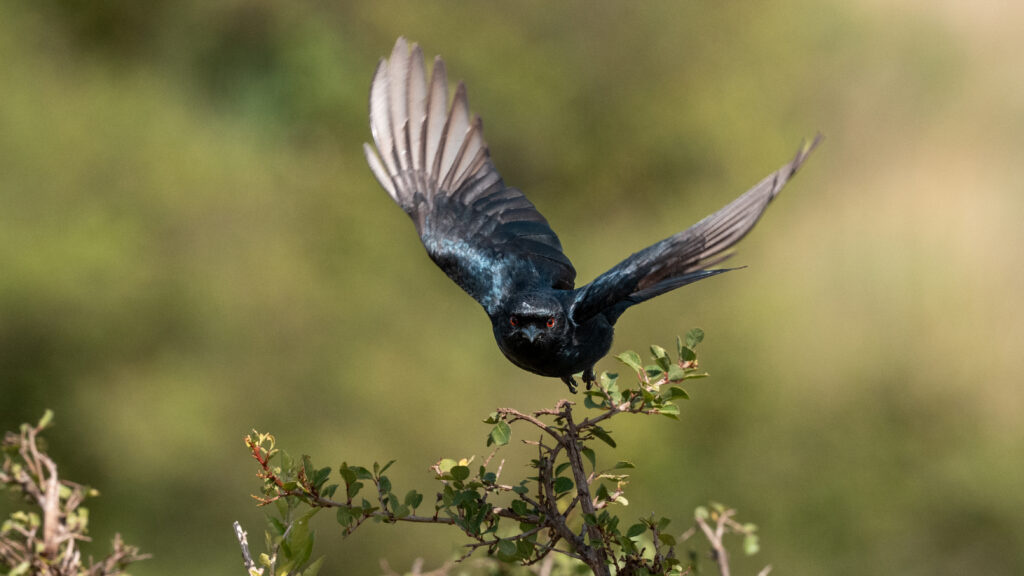
If the goal is a broad, rewarding East Africa migration experience, December through February is often the safest and strongest answer. It tends to offer the most useful overlap of migrant presence, active birding, visual richness, and workable logistics.
If the goal is to catch the opening energy of migration and enjoy fresher shoulder-season conditions, October and November can be excellent. If the goal is richer atmosphere and greener habitats with more planning nuance, March can still be very rewarding.
At Bobu Africa, we usually treat the practical migration planning rule like this:
- choose October to November for early-arrival energy and freshening habitats
- choose December to February for the most balanced and widely rewarding migration season
- choose March to early April for richer mood and active birding with more logistics risk
- choose specific habitats, not just months, because migration expresses itself differently in lakes, coast, dry country, and open savanna
FAQ
When is migratory bird season in East Africa
The broad migratory season usually runs from around October to April, with December to February often being the strongest all-round period for travelers who want a wide mix of migrant presence, active birding, and workable safari conditions.
What birds migrate to East Africa?
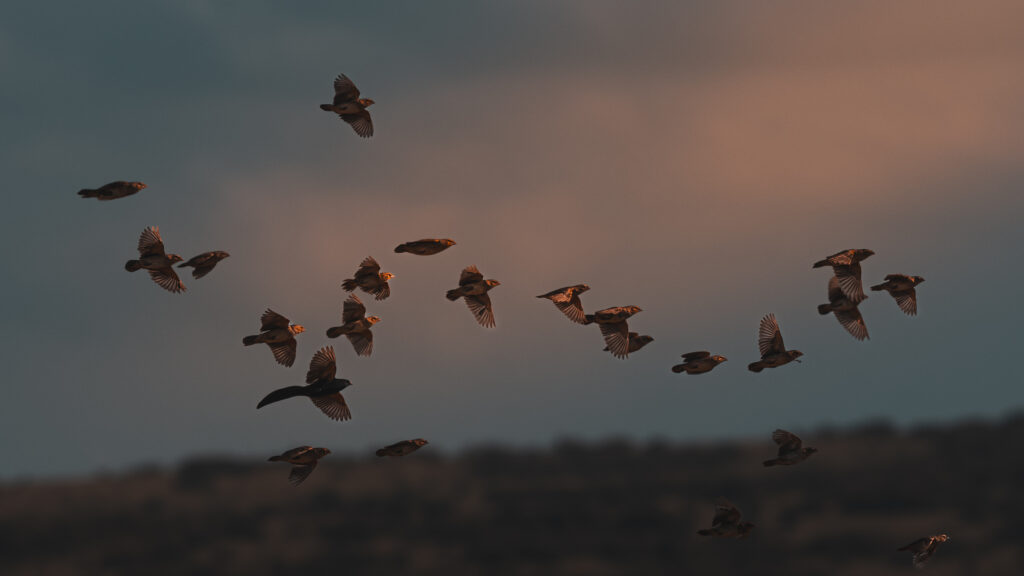
East Africa receives a wide range of Palearctic migrants from Europe and Asia, along with regional African movements shaped by rainfall and habitat change. In practical birding terms, this means the region gains extra shorebirds, raptors, swallows, wagtails, and many smaller migrants depending on habitat and month.
Is migratory bird season good for photography?
Yes, often very good. Migration can add variety, movement, and richer habitat scenes, especially around wetlands and greener landscapes. The trade-off is that some migration months also bring more weather risk and more difficult access.
Which places are best in East Africa during migration?
Wetlands and Rift lakes are often the clearest places to feel migration quickly, but open savanna, dry-country systems, and the coast can also become very rewarding. The best answer depends on whether your priority is shorebirds, mixed safari birding, photography, or a broader species total.
A more field-smart way to plan migration season
If you want to plan an East Africa birding journey around migration timing, photography goals, and realistic field logistics, Bobu Africa can help shape it as a professional creative route rather than a generic seasonal checklist. The goal is not simply to arrive during migration. It is to be in the right habitats, at the right stage of the season, with enough field time to let the movement actually matter.

FAQ
Q: When is migratory bird season in East Africa
A: The broad migratory season usually runs from around October to April, with December to February often being the strongest all-round period for travelers who want a wide mix of migrant presence, active birding, and workable safari conditions.
Q: Is migratory bird season good for photography?
A: Yes, often very good. Migration can add variety, movement, and richer habitat scenes, especially around wetlands and greener landscapes. The trade-off is that some migration months also bring more weather risk and more difficult access.
Plan Your Journey
If you want, Bobu Africa can help turn migration season into a field-smart East Africa birding route shaped around habitat, timing, photography goals, and the kind of seasonal movement you actually want to experience.