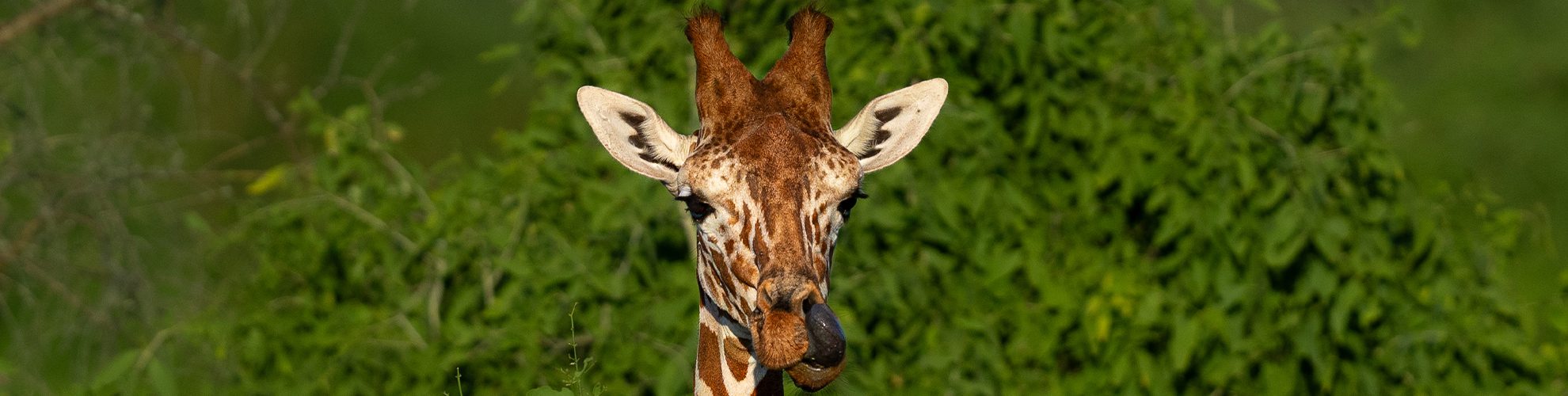
Apart from their cute appearance, most people have no idea about other aspects of the giraffe. Today, we’ll give you a little extra knowledge about the giraffe! There are tens of thousands of giraffes living in the African savannah. These long-legged creatures are among the most well-known animals on the African continent. Their long necks are covered with different shades of tan and white intertwined mesh patterns. They gradually and gracefully stroll on the prairie, exhibiting meekness and beauty. Humans have also developed a love for giraffe print through the ages, from clothes to objects, there is a lot, especially cute giraffe dolls are quite popular among youngsters. Apart from their cute appearance, most people have no idea about other aspects of the giraffe. Today, we’ll give you a little extra knowledge about the giraffe! Video Link: https://www.youtube.com/watch?v=deLZnvjy3Dg&t=21s Don’t JudgI believe that many people think that giraffes are all the same. Remember! Don’t judge a book by its cover! Actually, giraffes are divided into the following four types: Reticulated giraffes(also known as the Somali giraffe), Northern giraffes ( also known as the white giraffe as it is relatively light on the body), Southern giraffes(The most common and are in domestic zoos), Maasai giraffes(Wearing white stockings on legs). From their descriptions, you can easily identify the type of giraffe at a glance on the African grasslands. About Giraffes Surely you must be very curious, with its big eyes, eyelashes, and legs how does it sleep? How does it give birth? How long is the tongue? If you are curious, keep reading below. How long is a giraffe’s tongue? Giraffes have more than just a long neck, they are also categorized among the longest-tongued animals in the world. Just to compare, human tongues are mostly about 7 or 8 centimeters, but the giraffe’s tongue is whopping 45-50 centimeters! Their tongues are blue and experts believe that this may be because they need to keep their tongues out to eat bamboo and the colour protects them from the sun. Video link: https://www.youtube.com/shorts/Z9ctmk5hTzA How do giraffes sleep? When giraffes lay down to sleep, it is extremely difficult for them to stand up and it often takes a minute. Sleeping for two hours a night is the norm for giraffes. In the African Savannah, you will often see baby giraffes crossing their legs to sleep, they leave one stretched out so that they can stand up quickly. Although, after they grow up, they will sleep less and less!! Though beautifully long, the length of their legs can seem troublesome, especially when they are sleeping. How does the giraffe give birth? When a giraffe mother is 14-15 months pregnant, the baby giraffe is often almost due. In order to prevent animal attacks, other giraffes will come to protect her. Giraffes give birth while standing so the calf falls hooves and head first for quite some feet till they drop to the ground. The mother will begin to lick the mucus and coat off of the baby until the baby giraffe can slowly stand up. If they can’t stand, the mother kicks the baby giraffe and will wait for a while before she continues kicking until it can stand up. Does the giraffe make a sound? Many people have long thought that giraffes are the most “gentle” animals on the savannah, this is because they rarely make sound and they are often mistakenly assumed to be “dumb”. If you are patient enough to watch giraffes from morning till evening, you will find they are able to emit a variety of sounds. Giraffe Survival Stats: Population Although everyone knows the African elephant is endangered due to poaching, few realize that the population of giraffes is more endangered in comparison. In fact, the total number of giraffes is now 90,000, which is one-fifth of the African elephants. Among them, the Nubian subspecies of the northern giraffe are only 2150 and may disappear from the earth at any time. Video Link: https://www.youtube.com/watch?v=XWSo_meYq2U Prime Prey for predators in nature Giraffes have many enemies in nature, mainly lions, leopards, hyenas, and crocodiles ( who also step in from time to time) The truth of nature remains that a young giraffe is enough dinner for three lions. The existence of these natural enemies has prevented 50% of baby giraffes from living to a year old. Multipurpose for Poacher’s Benefit The Giraffe’s gorgeously patterned skin is used by poachers to make hats, shoes, belts, and other accessories. In addition, their meat is edible, and hunting a giraffe can feed a whole village. What’s more unfortunate is that the giraffe’s bone marrow can be used to treat a certain disease in some places, and the giraffe has gradually become a victim of brutality due to this. Habitat destruction The expansion of cities and the strengthening of infrastructure in recent years has become a potential threat to giraffe’s expansive habitats. The needs of humanity have outweighed theirs and as such we see more and more animal orphanages or small conservancies restricting their movement. Additionally, some local roads are within the range of giraffe activity or national parks, causing some giraffes to be killed in traffic accidents. I dare not imagine that one day, such a cute giraffe will disappear from the earth without a trace and only remain in our imagination. Summary Now you know that there is more than one giraffe living in the African savannah. Do you know though that they have changed for tens of millions of years yet still maintain their species diversity? It is a shame that these “gentle giants” on the savannah may disappear from the earth at any time. If human beings respect and protect them a little more, we can continue to have our hearts melted by their flickering eyes, long eyelashes, and majestic presence. Come see them up close!