

Top 10 Birding Destinations in East Africa for 500+ Species
If you’re asking where to go in East Africa to see 500+ bird species, the direct answer is: combine Uganda, Kenya, and northern Tanzania in a 2–3 week itinerary that includes high-diversity parks like Queen Elizabeth National Park, Murchison Falls National Park, and Serengeti National Park, alongside key habitats such as forests, wetlands, and Rift Valley lakes. No single destination will reliably give you 500 species, it’s the combination that delivers the numbers.
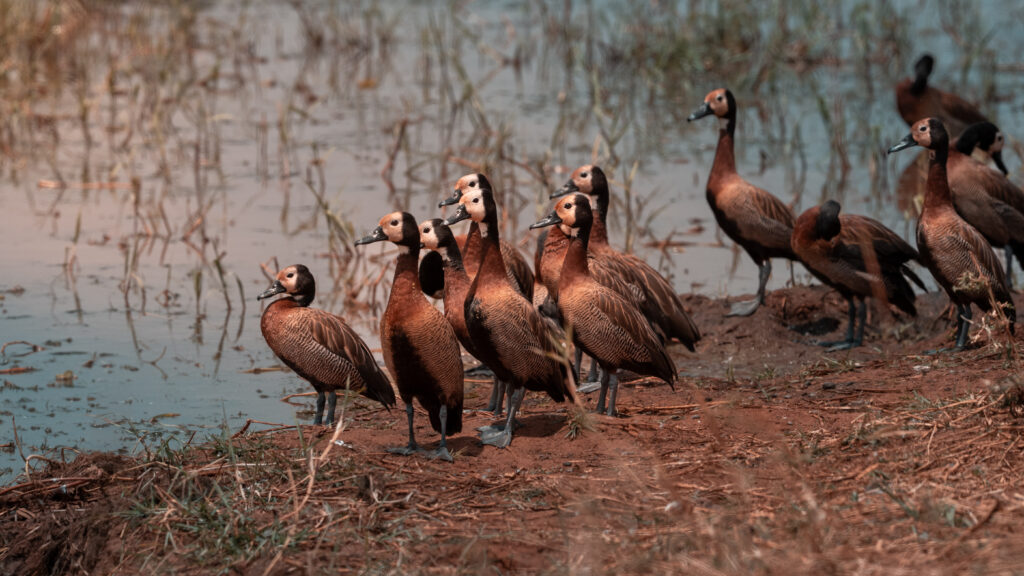
That is what makes East Africa such a rewarding region for serious birders. Few places give you this kind of ecological spread within one broad safari frame. A Rift Valley lake can change the pace of a morning. A dry-country stop can reset the entire species profile of the trip. A montane forest can feel slower, but add birds that no amount of open-country driving will replace. Then the coast can push a strong inland route into genuinely high-species territory.
At Bobu Africa, we usually treat habitat diversity as the practical baseline for a serious East Africa birding safari. A strong safari is not defined by one dramatic sighting, but by repeated high-quality field sessions across landscapes that keep adding new ecological value.
That is the real editorial logic behind this Top 10. These destinations matter not only because they are productive, but because each one plays a different role in getting a serious birder toward 500 plus species.
What 500 plus species really requires
A 500 plus species target in East Africa is realistic, but it is not casual. In real safari planning, it usually means at least 12 to 16 nights on the ground, multiple distinct habitats, and a route disciplined enough to avoid wasting too many prime field sessions on transfers.
One transfer day often costs two prime wildlife windows. Three nights usually means six prime field sessions. That trade-off is one of the biggest reasons why some itineraries look excellent on paper and still produce weaker bird totals than expected.
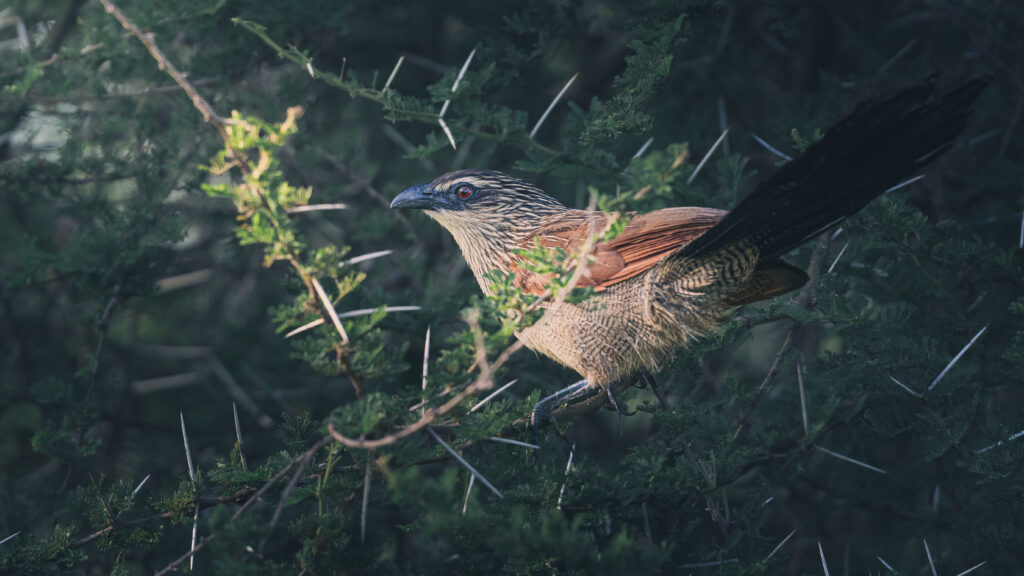
In our 15 years of field operation across East Africa, we see this mistake most often: travelers overbuild around famous mammal destinations and underbuild around wetlands, dry country, forest, and coast. The safari can still be beautiful, but the species list often flattens sooner than it should.
1. Lake Baringo and Lake Bogoria, Kenya
If one area repeatedly proves how much habitat logic matters, it is Lake Baringo and Lake Bogoria in Kenya. This is where many East Africa birding routes stop feeling standard and start becoming strategically rich. Dry scrub, rocky slope, acacia country, cliff habitat, and lake edge all sit close enough together to create fast and useful species turnover.
Baringo matters because it brings in a semi-arid and more northern birding feel. That shift changes the route in a meaningful way. Species associated with drier country help break the predictability of a classic southern Kenya circuit and make the trip feel more layered almost immediately.
For photographers, Baringo also offers a practical advantage. Many birds show in cleaner settings than they do in denser woodland, and the light can be generous for long stretches of the day.
Practical advice: for a route aiming at high species totals, two full birding days here is a sensible baseline. A brief overnight stop usually underuses the region.
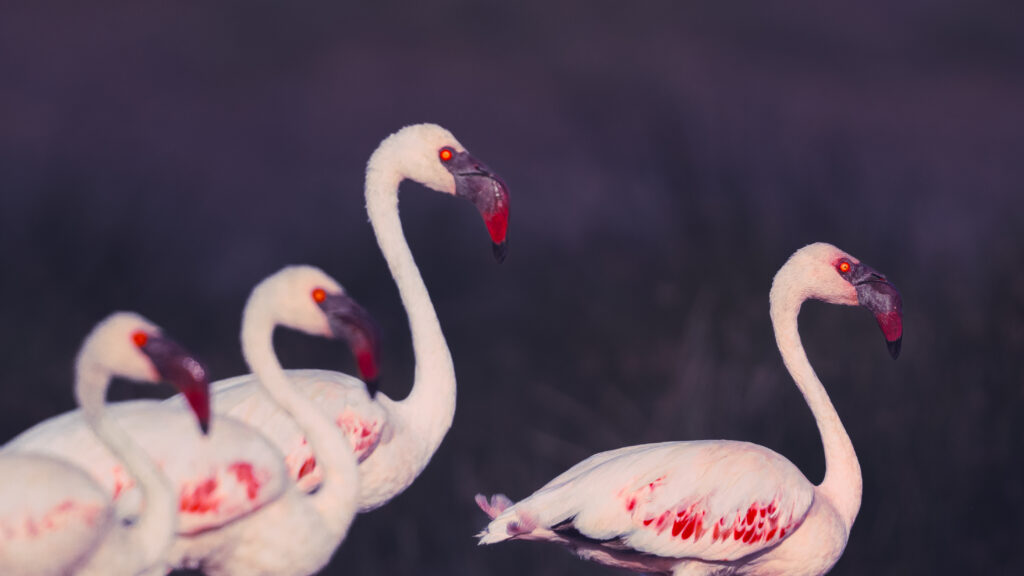
2. Kakamega Forest, Kenya
Kakamega Forest, Kenya, belongs on any serious East Africa birding list because forest species are not optional if the target is 500 plus. They are structural. Without a real forest component, the route almost always ends up too weighted toward open-country birding.
Kakamega changes the mood of the journey. This is less about broad scanning and more about patience, vocal identification, mixed flocks, and the slower rhythm of good forest fieldwork. It may feel less instantly explosive than a Rift Valley lake, but the species it contributes are far harder to replace elsewhere.
That is the trade-off. Forest birding often gives you fewer obvious birds per hour, yet the birds it does give you are disproportionately valuable to the final tally.
Practical advice: allow at least two nights, ideally three, and work with a guide who understands calls. Forest time without strong local field knowledge can become much less efficient than it needs to be.
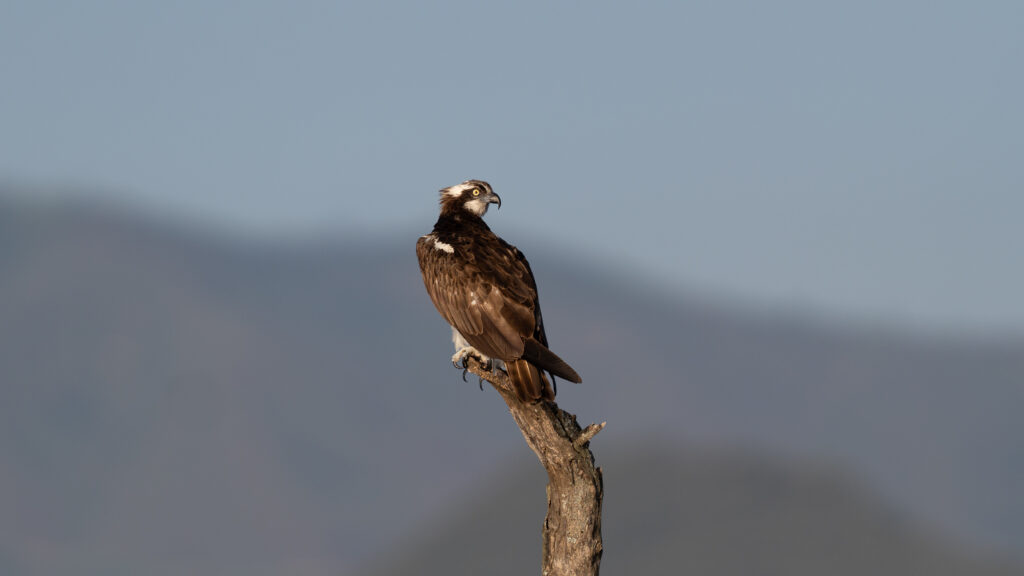
3. Lake Naivasha and the central Rift lakes, Kenya
Lake Naivasha is sometimes treated as a softer stop between more famous reserves, but birders should take it more seriously than that. The lake itself is productive, yet the wider central Rift system is what makes this area strategically useful. Open water, shoreline habitat, woodland, escarpment, and nearby grassland can all be combined into efficient birding sessions.
This makes Naivasha one of the region’s best bridging destinations. It keeps the list moving while allowing the safari to remain comfortable and visually varied. For mixed-interest travelers, that matters. Some stops are superb for birding but awkward in a premium itinerary. Naivasha usually handles both rather well.
Practical advice: treat Naivasha as a regional birding stop, not just a single lake outing. Pair waterbird work with nearby habitat variation for the best return.
4. Samburu, Kenya
Samburu, Kenya, is where many birders begin to understand how important dry country really is. Many East Africa routes lean too heavily on greener or more famous safari zones, and the result is a list that starts repeating itself. Samburu changes the language of the trip.
This is not only about one signature species. It is about a whole dry-country bird community that gives the route a different texture. Semi-arid specialists, thorn-country birds, riverine species along the Ewaso Ngiro, and strong visual contrast all make Samburu unusually valuable.
In field terms, Samburu is less about prestige and more about function. It earns its place by changing the birding profile of the journey in a way few southern stops can.
Practical advice: two to three nights is usually the useful minimum. If your time is limited, Samburu often adds more value than another repeat block in greener savanna country.
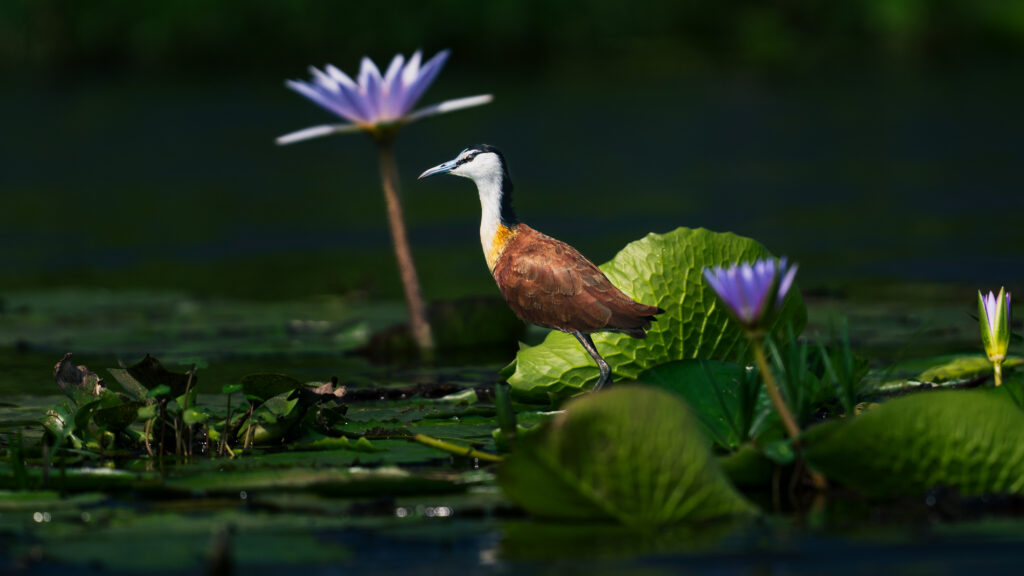
5. Maasai Mara, Kenya
Maasai Mara, Kenya, is often discussed through mammals first, but birders who overlook it are leaving value on the table. The Mara is not the single answer to a 500 plus species route, yet it is an excellent contributor because it combines grassland, river systems, scattered woodland, and a very strong raptor environment.
Its main strength is consistency. The Mara keeps producing while also satisfying travelers who want one of East Africa’s best all-round safari experiences. For photographers, the open settings often make bird observation and composition cleaner than they are in denser habitats.
In the Mara ecosystem, location matters more than room glamour when field hours are limited. A beautiful property with slower access can quietly reduce the value of your best birding windows.
Practical advice: if birding is the main metric, use the Mara as one part of a broader sequence rather than overloading the route with too many nights in similar habitat.
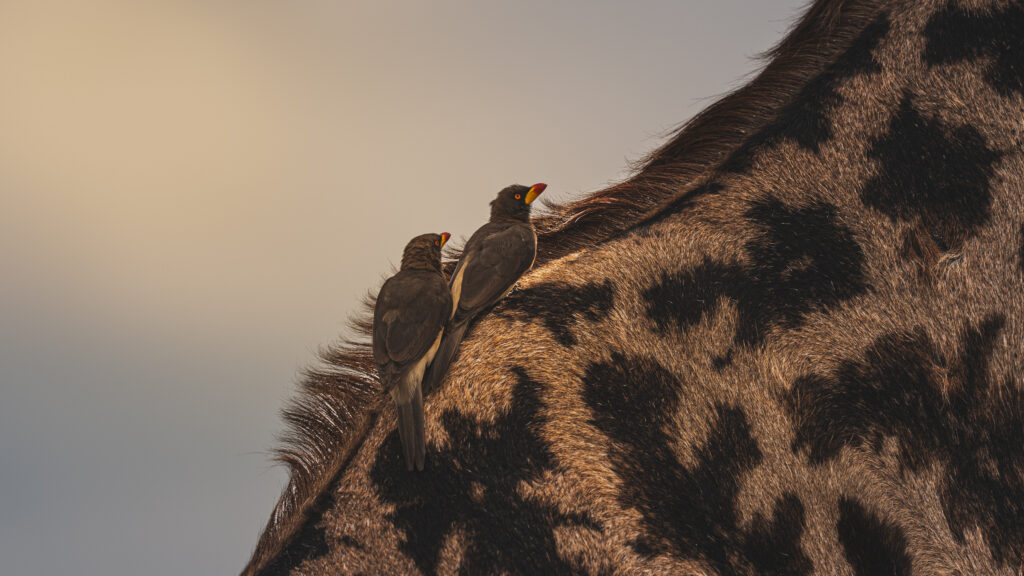
6. Tarangire, Tanzania
Tarangire, Tanzania, is one of northern Tanzania’s most underappreciated birding destinations. It is often introduced through elephants and baobabs, but birders should pay attention to what the riverine strips, mixed woodland, open country, and seasonal wet areas do together.
Tarangire is especially useful because it adds birds without forcing the safari into an overly specialist mood. That matters for premium routes where one traveler may be bird-focused while another cares equally about the broader wildlife experience.
For photographers, the setting also gives the birding a distinct visual character. Baobab structure, open perches, and seasonal textures create a different look from Kenya’s Rift landscapes or the Mara grasslands.
Practical advice: Tarangire works best as part of a northern Tanzania sequence rather than as a standalone birding answer.
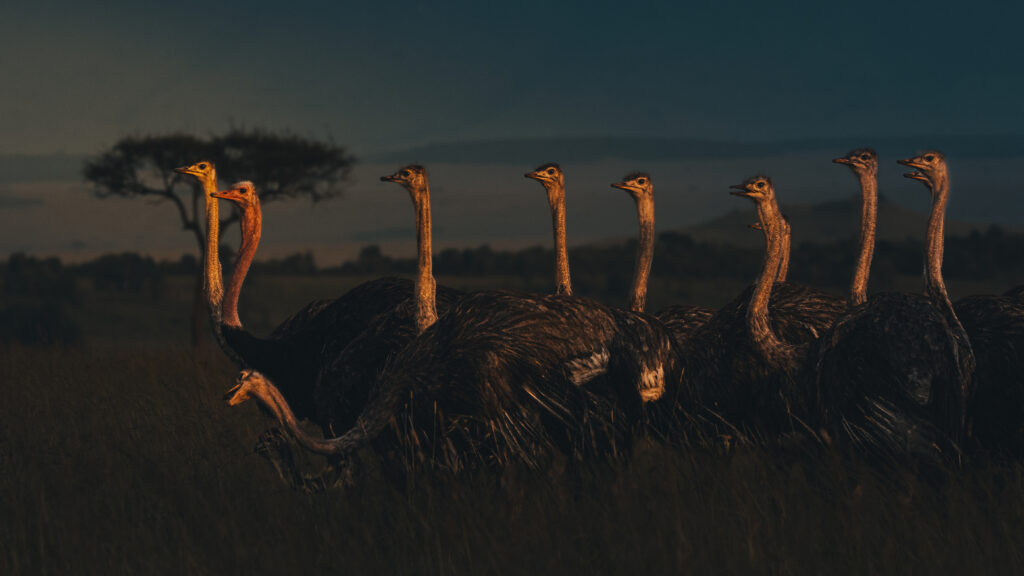
7. Serengeti and Ndutu, Tanzania
Serengeti, Tanzania, and Ndutu, Tanzania, are so mammal-famous that their birding value is often underestimated. That is a mistake. They may not be the most habitat-specialized stops in East Africa, but they are strong cumulative contributors to a serious route.
Open plains, drainage lines, woodland pockets, pans, and kopjes all help keep the species total moving. Ndutu becomes especially useful in greener periods, when the southern system feels more layered and bird-rich. These are not places that rely on one narrow birding specialty. Their value comes from steady addition across a broad safari landscape.
Practical advice: do not expect Serengeti or Ndutu alone to carry a 500 plus strategy. They work best when joined to wetlands, dry country, forest, or coast.
8. Ngorongoro Highlands, Tanzania
Ngorongoro is too often reduced to the crater floor. For birders, the surrounding highlands can be just as important. Elevation changes the list, and that vertical shift is one of the easiest ways to deepen a northern Tanzania route.
Highland forest edge, cooler conditions, cultivated margins, and montane transitions all bring a different birding texture from the lower savanna systems. That kind of contrast is exactly what a high-species itinerary needs if it is to avoid flattening into repetition.
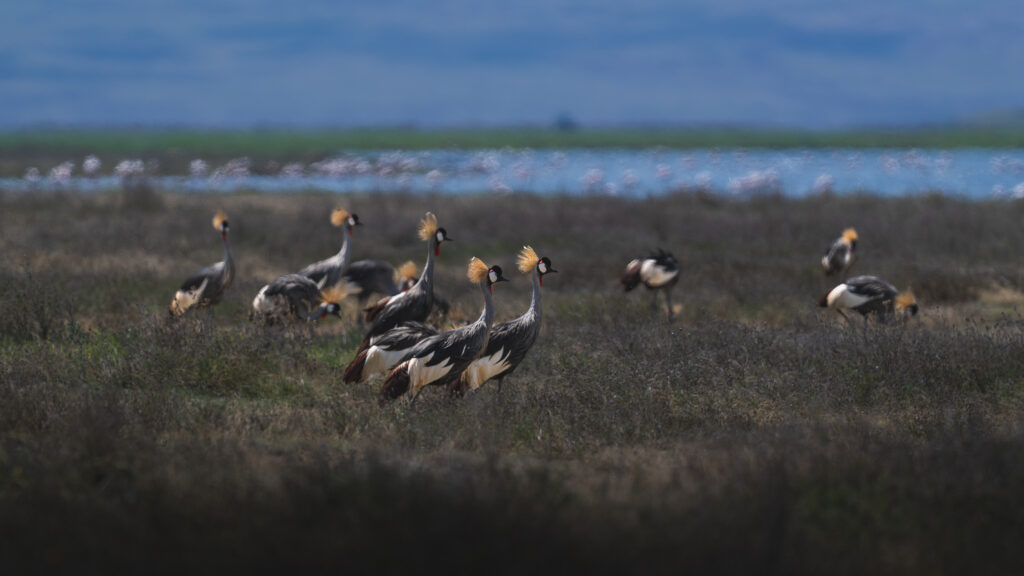
Practical advice: do not treat the area as a single crater descent followed by departure. The lodge zone and surrounding highland habitat can be quietly productive, especially in first light and late afternoon.
9. Murchison Falls, Uganda
Murchison Falls National Park, Uganda, earns its place because it broadens the East Africa birding conversation beyond the classic Kenya and northern Tanzania circuit. River systems, savanna, woodland, wetland margins, and Nile-linked habitat all come into play here.
For many birders, Uganda is where the route starts feeling truly regional rather than merely safari-famous. It adds species, but more importantly, it adds ecological width. That makes the whole journey feel fuller and less repetitive.
Practical advice: if Uganda is part of the route, give it enough time to matter. A rushed Uganda extension often looks clever in an itinerary draft and thinner than expected in the field.
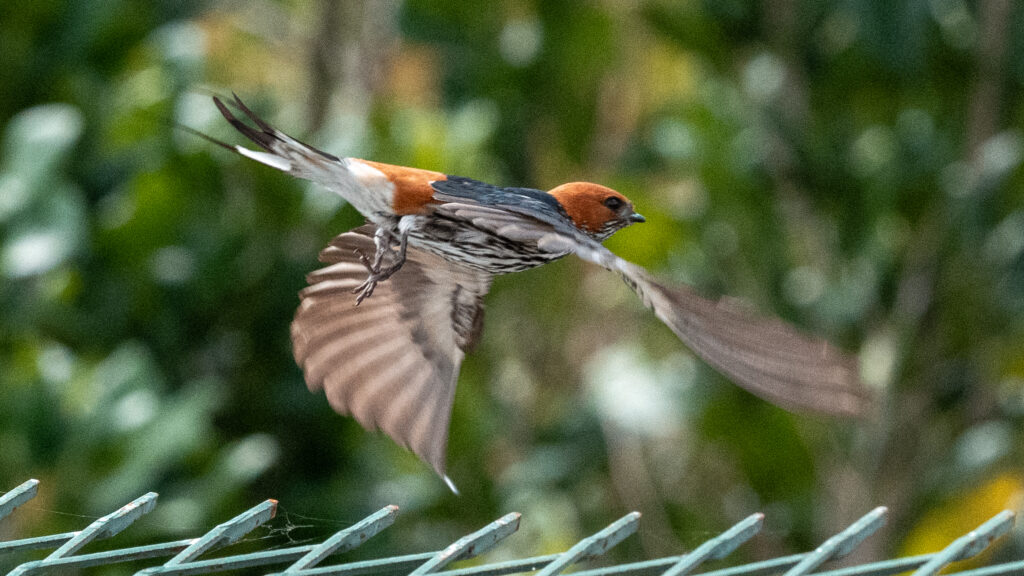
10. Arabuko-Sokoke and Mida Creek, Kenya
If a route is genuinely trying to move past 500 species, the Kenyan coast can be decisive. Arabuko-Sokoke and Mida Creek add coastal forest, tidal edge, shorebird potential, and a whole ecological register that inland safari circuits do not reproduce well.
This is where many ambitious birding trips either break through or stall. Another inland savanna stop may add useful birds, but a coastal extension often adds a whole category of birds. That is a very different planning return.
For photographers, the coast also broadens the visual story of the safari. Mangrove edge, tidal flat, low-angle coastal light, and forest shade give the portfolio a different rhythm from inland safari work.
Practical advice: if possible, place the coast at the beginning or end of the itinerary. It usually fits more cleanly there than in the middle of a tight inland route.
How to use this Top 10 list well
The best birding destinations in East Africa for 500 plus species are not simply the ten most famous places. They are the ten places that work together best.
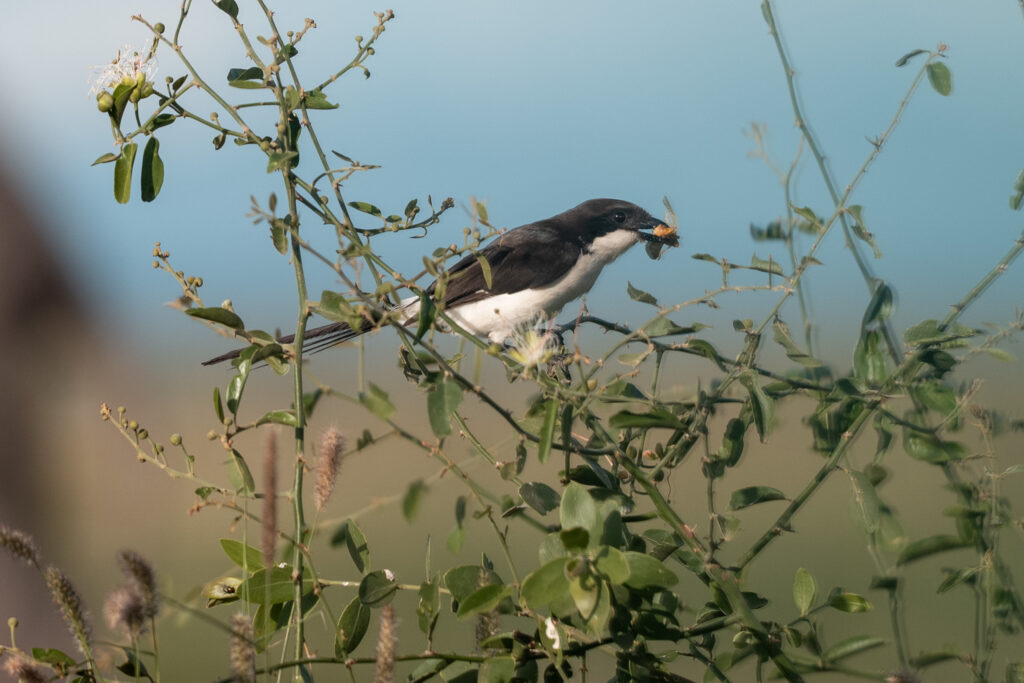
A practical route usually includes:
- One or two wetland or Rift Valley systems
- One dry-country block such as Samburu or Baringo
- One forest block such as Kakamega
- One or two open savanna systems such as Maasai Mara, Tarangire, or Serengeti
- One elevational shift such as Ngorongoro Highlands
- One coastal extension if the target is ambitious
For photographers, 500 plus species is less about headline spectacle and more about full-trip consistency. For birders, the key question is not how many iconic names fit onto the itinerary. It is how many useful habitats can be linked without bleeding away the best field hours.
At Bobu Africa, we usually build serious birding journeys around habitat turnover, drive logic, and prime field sessions rather than lodge count or prestige. That tends to create not only a better list, but a better safari.
FAQ
Is 500 plus bird species realistic on one East Africa trip
Yes, if the route is long enough and includes real habitat change. For most travelers, 12 to 16 nights across wetlands, dry country, savanna, and at least one forest or coastal component is a practical baseline.
Which country is best for birding in East Africa
There is no single answer for every traveler. Kenya is especially strong for route efficiency and habitat contrast, Tanzania adds major safari ecosystems with good depth, and Uganda becomes highly valuable when you want more river and ecological variation.
Do I need the coast to reach 500 plus species
Not always, but it can be one of the most effective additions. If the inland route is already strong, a coastal finish often adds more than another repeated savanna block.
Are famous safari parks always the best birding bases
No. Famous parks are often excellent, but they do not automatically produce the best species return. In field terms, the most productive stop is often the one that changes the habitat profile of the trip.
A smarter way to shape the journey
If you want to plan an East Africa birding trip around species depth, strong photography, and clean field logistics, Bobu Africa can help shape it as a professional creative route rather than a generic safari package. The goal is not to add places for the sake of variety. It is to build a journey where each landscape earns its place and the bird list keeps moving for the right reasons.
FAQ
Q: Is 500 plus bird species realistic on one East Africa trip
A: Yes, but usually only if the trip includes enough nights and enough habitat change. As a practical planning rule, 12 to 16 nights across wetlands, dry country, savanna, and at least one forest or coastal zone gives you a realistic chance.
Q: Do I need both Kenya and Tanzania for a strong East Africa birding trip
A: Not always, but combining Kenya and Tanzania often improves habitat sequence and overall species depth. Kenya is especially efficient for Rift lakes, dry-country birding, and forest contrast, while northern Tanzania adds major safari ecosystems that round out the route.
Plan Your Journey
If you want, Bobu Africa can help turn this into a field-smart birding route shaped around habitats, prime field hours, photography priorities, and realistic species goals rather than a generic checklist itinerary.